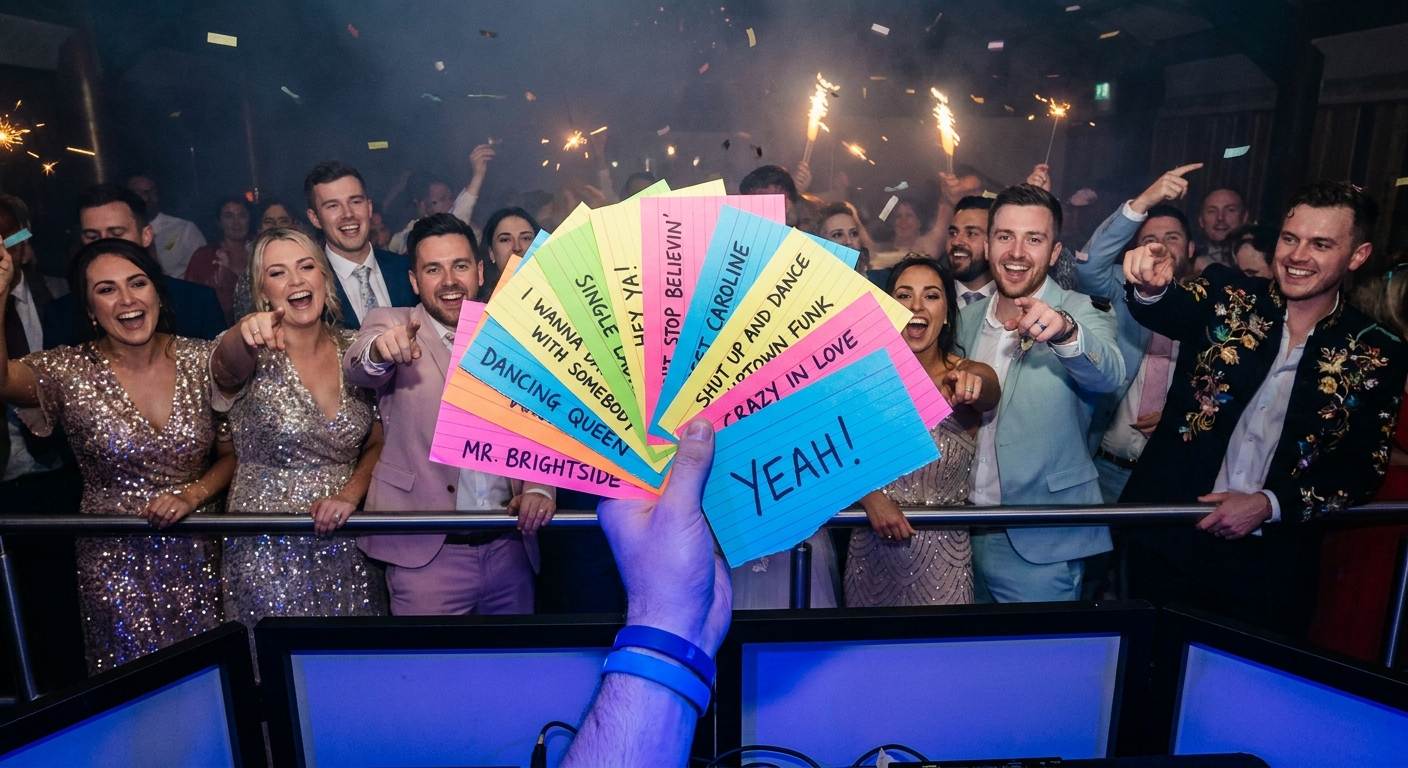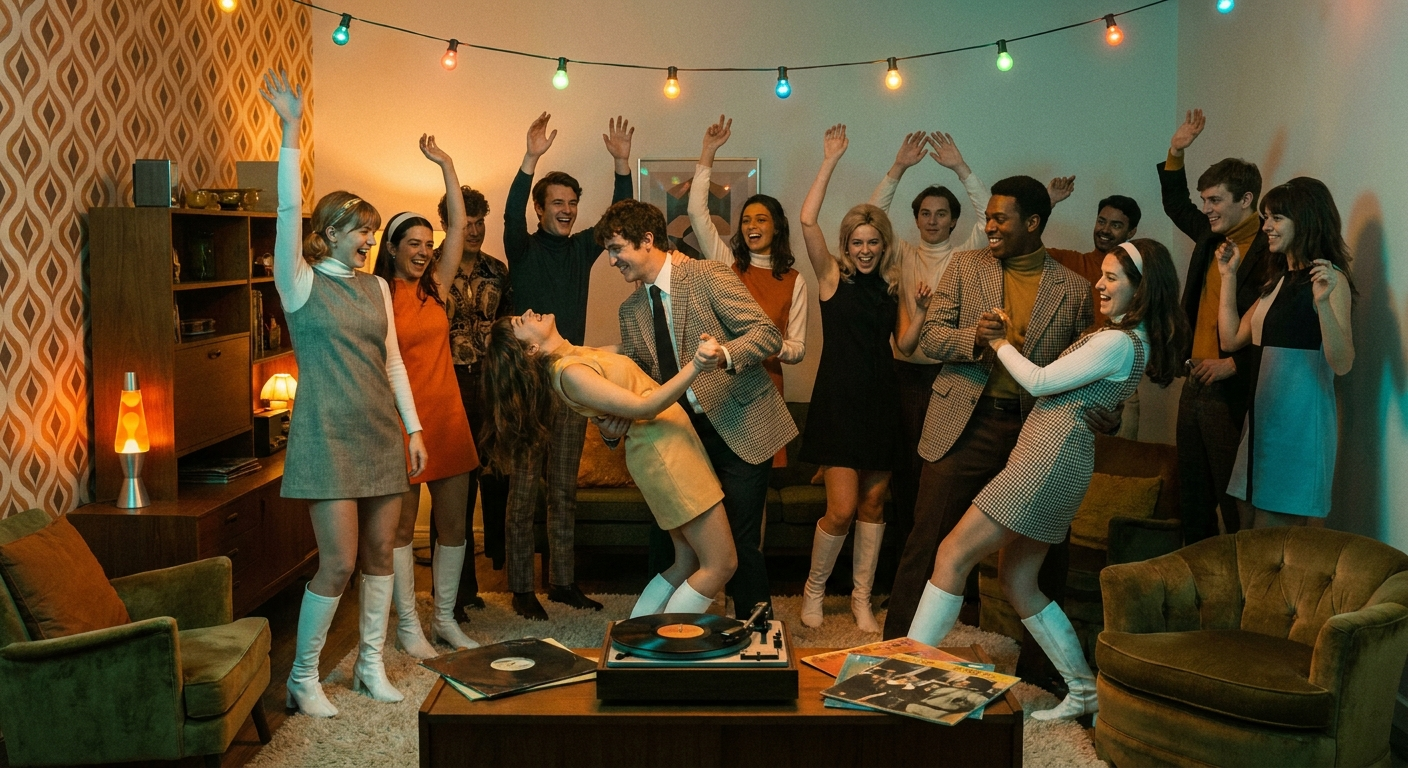
Planning an event? You've got the venue, the guest list, and maybe even the catering sorted. But let's be honest, the music can make or break the entire experience. A killer playlist can turn a good party into an unforgettable one, while a poorly curated song list can leave your guests yawning and checking their watches. Avoid these common event music planning mistakes and keep your dance floor packed all night long!
🎯 Key Takeaways
- Don't rely solely on your own music taste — consider your audience.
- Create a music selection that builds energy over time, avoiding sudden shifts in tempo and genre.
- Test your sound system and playlist in advance to avoid technical glitches during the event.
- Encourage guest song requests to personalize the music experience and get everyone involved.
- Use a playlist creation tool like PartyMusicPlaylist to easily manage your song list and collaborate with others.
Why Your Event Music Planning Checklist Matters
Think of your event music planning checklist as the secret weapon to a successful party. It's more than just a list of songs; it's a strategy. It ensures you've considered all the vital elements: the vibe, the audience, the flow, and the technical aspects. Neglecting this checklist is like navigating a ship without a compass – you might end up somewhere, but it probably won't be your desired destination.
A well-thought-out playlist anticipates the energy levels of your event. It builds excitement during cocktail hour, keeps the dance floor grooving, and provides a smooth transition as the night winds down. Without a checklist, you risk awkward silences, jarring genre changes, and ultimately, a less-than-stellar experience for your guests. So, before you hit play, ensure you’ve ticked all the boxes. A little preparation goes a long way in creating a memorable event.
Consider these scenarios: A wedding reception where the first dance is followed by a heavy metal track, or a corporate event where the background music is louder than the conversations. These are the kinds of disasters an event music planning checklist helps prevent. It’s about being intentional, thoughtful, and ultimately, creating an atmosphere that enhances the overall experience for everyone involved. And remember, a great playlist is a gift to your guests, showing them you care about their enjoyment.
Sin #1: Ignoring Your Audience
This is arguably the biggest event music sin. Your playlist shouldn't be a reflection of your personal taste alone. It needs to cater to the diverse musical preferences of your guests. Imagine playing heavy metal at a golden anniversary party or cheesy pop at a sophisticated gala. The results would be disastrous!
How do you avoid this? Do your homework. Consider the age range, cultural backgrounds, and general interests of your attendees. If you're unsure, discreetly ask a few key guests for their favorite genres or artists. Poll your guests ahead of time using online tools or even simple email surveys. The more information you gather, the better equipped you'll be to create a playlist that appeals to a wide range of tastes. A successful event playlist is a democratic one!
Don't be afraid to include a mix of familiar classics and current hits. A blend of genres can also keep things interesting. For example, at a wedding, you might start with Motown and soul during dinner, transition to pop and R&B for dancing, and end the night with some sing-along anthems. Variety is the spice of life, and it's also the key to a successful event playlist.
- "September" by Earth, Wind & Fire — Timeless crowd-pleaser for all ages.
- "Dancing Queen" by ABBA — Guaranteed to get everyone on the dance floor.
- "Uptown Funk" by Mark Ronson ft. Bruno Mars — Modern hit with a classic feel.
Sin #2: Neglecting the Flow
A great playlist isn't just a collection of good songs; it's a carefully crafted journey. The order of your songs is just as important as the individual tracks themselves. Avoid abrupt changes in tempo, genre, or energy. A sudden shift from a slow ballad to a high-energy EDM track can be jarring and kill the mood.
Think of your playlist as a story with a beginning, middle, and end. Start with mellow tunes during cocktail hour to encourage conversation. Gradually increase the tempo and energy as the night progresses, building anticipation for the dance floor. Save the biggest hits for the peak of the party and then slowly wind down with slower, more mellow songs as the event comes to a close. This creates a natural flow that keeps your guests engaged and energized throughout the night.
Use DJ-style transitions (even if you're not a DJ) to create seamless segues between songs. Many music streaming services offer built-in crossfade features that can help you blend tracks together smoothly. Experiment with different transitions to find what works best for your playlist. Remember, the goal is to create a cohesive and enjoyable listening experience for your guests.
💡 Pro Tip: Use a BPM (beats per minute) counter to help you create smooth transitions between songs. Aim for tracks with similar BPMs for a seamless blend.
Sin #3: Forgetting the Transitions
Ever been at a party where the music stops abruptly between songs? It's a mood killer! Seamless transitions are essential for maintaining the energy and flow of your event. Silence is the enemy of a good party. Instead of hard cuts, use crossfades or DJ-style mixing techniques to blend songs together smoothly. Most music streaming services and DJ software offer built-in crossfade options, allowing you to customize the transition time to your liking.
Consider using intros and outros to create a more polished and professional sound. Many songs have natural intros that build anticipation before the main melody kicks in. Use these intros to transition smoothly from the previous track. Similarly, use the outro to fade out the song gradually, creating a seamless segue to the next track. Online resources and tutorials can teach you basic DJ mixing techniques to enhance your transitions.
Pay attention to the key and tempo of your songs when planning your transitions. Songs in compatible keys will sound more harmonious when played together. Similarly, songs with similar tempos will create a smoother blend. Use music analysis software or online tools to determine the key and tempo of your tracks and plan your transitions accordingly. The goal is to create a listening experience that is both seamless and engaging.
- Use crossfades in your music player for smooth transitions.
- Pay attention to song intros and outros for natural segues.
- Consider key and tempo compatibility for harmonious blends.
Sin #4: Ignoring Sound Quality
Even the best playlist can sound terrible on a poor sound system. Don't underestimate the importance of audio quality. Invest in good speakers that can fill the venue with clear, crisp sound. Test your sound system thoroughly before the event to identify and resolve any potential issues. Consider hiring a professional sound engineer for larger events to ensure optimal audio quality.
Pay attention to the audio quality of your music files. Low-resolution audio files can sound muddy and distorted, especially on a high-quality sound system. Use high-resolution audio files (e.g., 320kbps MP3s or lossless formats like FLAC) for the best possible sound quality. Avoid streaming music over a slow or unreliable internet connection, as this can result in dropouts and buffering.
Consider the acoustics of the venue when setting up your sound system. Hard surfaces can cause sound to reflect and create echoes, while soft surfaces can absorb sound and make the music sound muffled. Experiment with speaker placement to find the optimal sound for the space. Use sound dampening materials (e.g., curtains, rugs, acoustic panels) to improve the acoustics of the venue.
- Test your speakers: Before the event.
- Use high-quality audio files: 320kbps MP3 or lossless.
- Consider venue acoustics: Adjust speaker placement.
Sin #5: Neglecting Volume Control
The right volume sets the mood, the wrong volume ruins it. Music that's too loud can drown out conversations and make it difficult for guests to socialize. Music that's too quiet can create a dull and lifeless atmosphere. Find the sweet spot where the music is audible and enjoyable without being intrusive. Monitor the volume throughout the event and adjust it as needed to suit the changing dynamics of the party.
Consider the different areas of the venue when setting your volume levels. You might want to have louder music on the dance floor and quieter music in the lounge area. Use separate sound systems or volume controls for different zones to create a more balanced and enjoyable listening experience. Pay attention to the noise levels of the venue and adjust the music accordingly. A crowded room will naturally be louder than an empty room, so you'll need to compensate for this difference.
Be mindful of older guests or those with hearing sensitivities. Provide a quiet area where they can escape the music if needed. Offer earplugs to guests who are sensitive to loud noise. Remember, the goal is to create a comfortable and enjoyable environment for everyone, regardless of their age or hearing ability.
⚠️ Heads Up: Avoid sudden volume spikes. Gradually increase or decrease volume to avoid startling guests.
Sin #6: Ignoring Guest Requests
While you're the maestro of the playlist, remember it's a party for everyone. Ignoring your guests' song requests can make them feel unheard and unappreciated. Embrace the power of the request! It's a simple way to personalize the music experience and get everyone involved. There are several ways to solicit and manage guest requests. You can set up a physical request box, use a digital song request platform like PartyMusicPlaylist, or simply ask guests directly for their suggestions.
Establish some ground rules for requests. Be clear about the genres or artists you're willing to play and the ones you're not. Politely decline requests that don't fit the overall vibe of the party or that are duplicates of songs already on the playlist. Don't feel obligated to play every single request, but do make an effort to incorporate as many as possible. A little flexibility can go a long way in creating a positive and inclusive atmosphere.
Use guest requests as an opportunity to discover new music. You might be surprised by some of the hidden gems your guests suggest. Add these songs to your playlist and expand your musical horizons. Remember, the best parties are a collaborative effort, and that includes the music selection. And remember that PartyMusicPlaylist makes it simple to gather and curate a collaborative playlist!
Must-Have Request Songs
- "Mr. Brightside" by The Killers — Always fills the dance floor
- "Don't Stop Believin'" by Journey — Classic sing-along anthem
- "Bohemian Rhapsody" by Queen — Epic crowd participation guaranteed
Sin #7: Sticking to a Rigid Playlist
While planning is essential, don't be afraid to deviate from your pre-set playlist if the situation calls for it. Be observant and responsive to the energy of the crowd. If the dance floor is empty, it might be time to switch things up and try a different genre or tempo. If a particular song is getting a great reaction, consider playing a few more tracks in a similar style. The key is to be adaptable and willing to adjust your playlist based on the real-time feedback of your guests.
Have some backup songs ready in case your planned playlist isn't working. Create a separate folder of "emergency" tracks that you can quickly access if needed. These tracks should be crowd-pleasers that are guaranteed to get people moving. Don't be afraid to experiment with different combinations of songs to find what works best for your audience. Remember, the goal is to keep the energy high and the dance floor packed.
Use DJ software or a streaming service that allows you to easily skip, reorder, or add songs to your playlist on the fly. This will give you the flexibility to adapt to changing circumstances and keep the party going strong. Don't be afraid to take risks and try new things. The best playlists are often the result of spontaneous decisions and on-the-fly adjustments.
Sin #8: Forgetting Background Music
Music isn't just for dancing! Don't forget about the importance of background music during cocktail hour, dinner, or other quieter moments of your event. Background music should be subtle and unobtrusive, creating a pleasant atmosphere without overpowering conversations. Choose genres like jazz, classical, acoustic, or instrumental versions of popular songs. Avoid anything too upbeat or distracting. The goal is to create a relaxed and inviting ambiance that encourages mingling and conversation.
Adjust the volume of the background music to suit the activity. During cocktail hour, the music can be slightly louder to set a lively tone. During dinner, the music should be quieter to allow guests to easily converse. Pay attention to the acoustics of the venue and adjust the volume accordingly. A large, open space will require louder music than a small, enclosed room.
Consider creating separate playlists for different parts of your event. A cocktail hour playlist, a dinner playlist, and a dance floor playlist will help you create a cohesive and enjoyable music experience from start to finish. Use a playlist creation tool like PartyMusicPlaylist to easily manage your different playlists and switch between them as needed.
- Jazz Standards — Timeless and sophisticated background music.
- Acoustic Covers — Familiar songs with a relaxed vibe.
- Instrumental Music — Non-intrusive and creates a pleasant atmosphere.
Sin #9: Last-Minute Planning
Cramming your music planning at the last minute is a recipe for disaster. Give yourself ample time to curate your playlist, test your sound system, and solicit guest requests. Start planning your music weeks or even months in advance, especially for larger events. This will give you plenty of time to research music, gather feedback, and fine-tune your playlist to perfection. Procrastination is the enemy of a great party.
Create a detailed schedule for your music planning process. Set deadlines for each task, such as researching music, creating playlists, testing the sound system, and soliciting guest requests. This will help you stay organized and on track. Use a calendar or project management tool to track your progress and ensure that you meet your deadlines. Time management is key to a successful event. More music planning tips can be found here.
Don't be afraid to ask for help. Enlist the assistance of friends, family, or a professional DJ to help you with your music planning. Delegate tasks and share the workload to make the process more manageable. Remember, teamwork makes the dream work! And consider that a professional DJ already has an excellent sound system and plenty of music on hand.
💡 Pro Tip: Start your playlist early and add to it gradually. This allows you to build a curated collection over time.
Remember, your event music planning checklist is your roadmap to a successful event. Start early, consider your audience, and don't be afraid to adapt along the way!
Frequently Asked Questions
PartyMusicPlaylist Team
Helping you create the perfect soundtrack for life's most memorable moments. Expert tips on event music planning, DJ coordination, and playlist curation.
Learn MoreReady to Plan Your Event Music?
Create the perfect playlist for your special event. Search songs, organize your timeline, and share with your DJ.
Get Started FreeRelated Articles
Continue reading