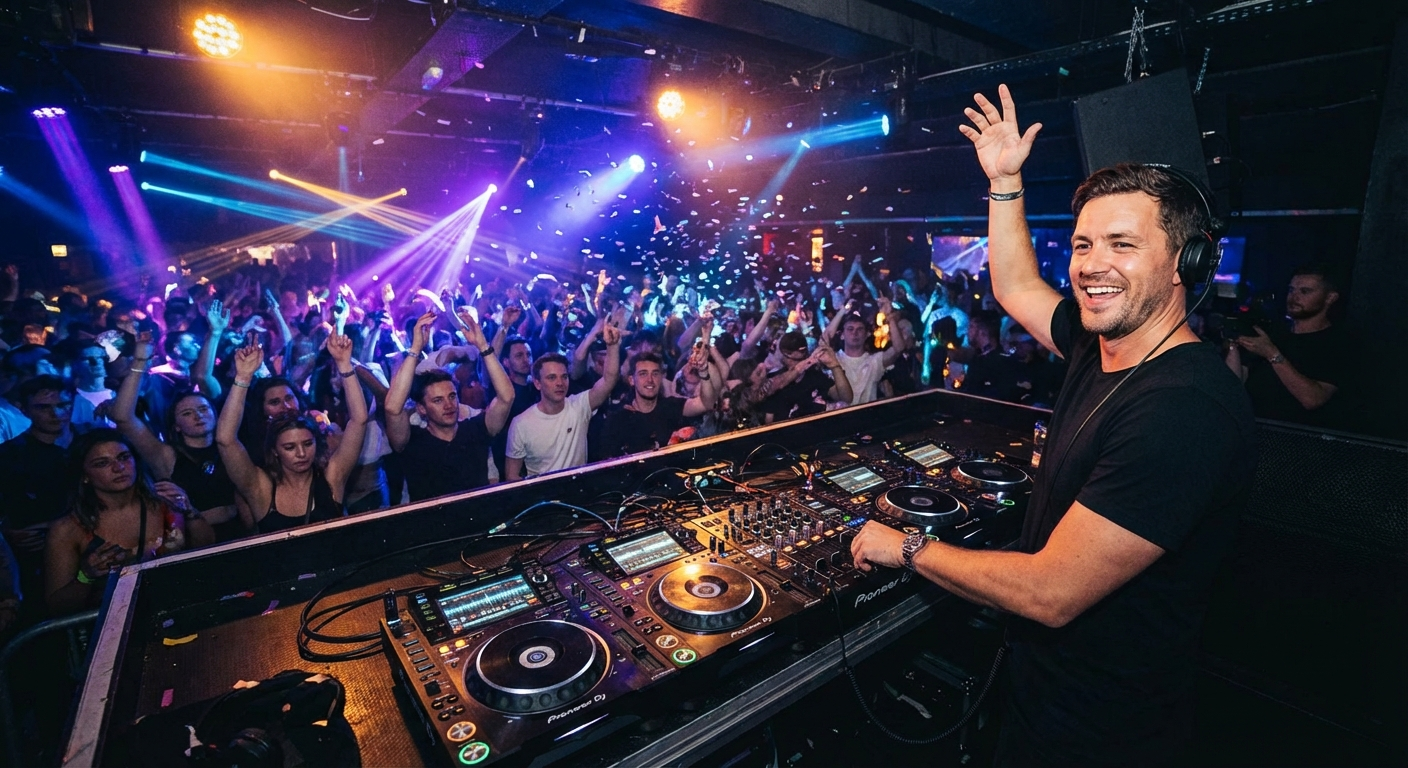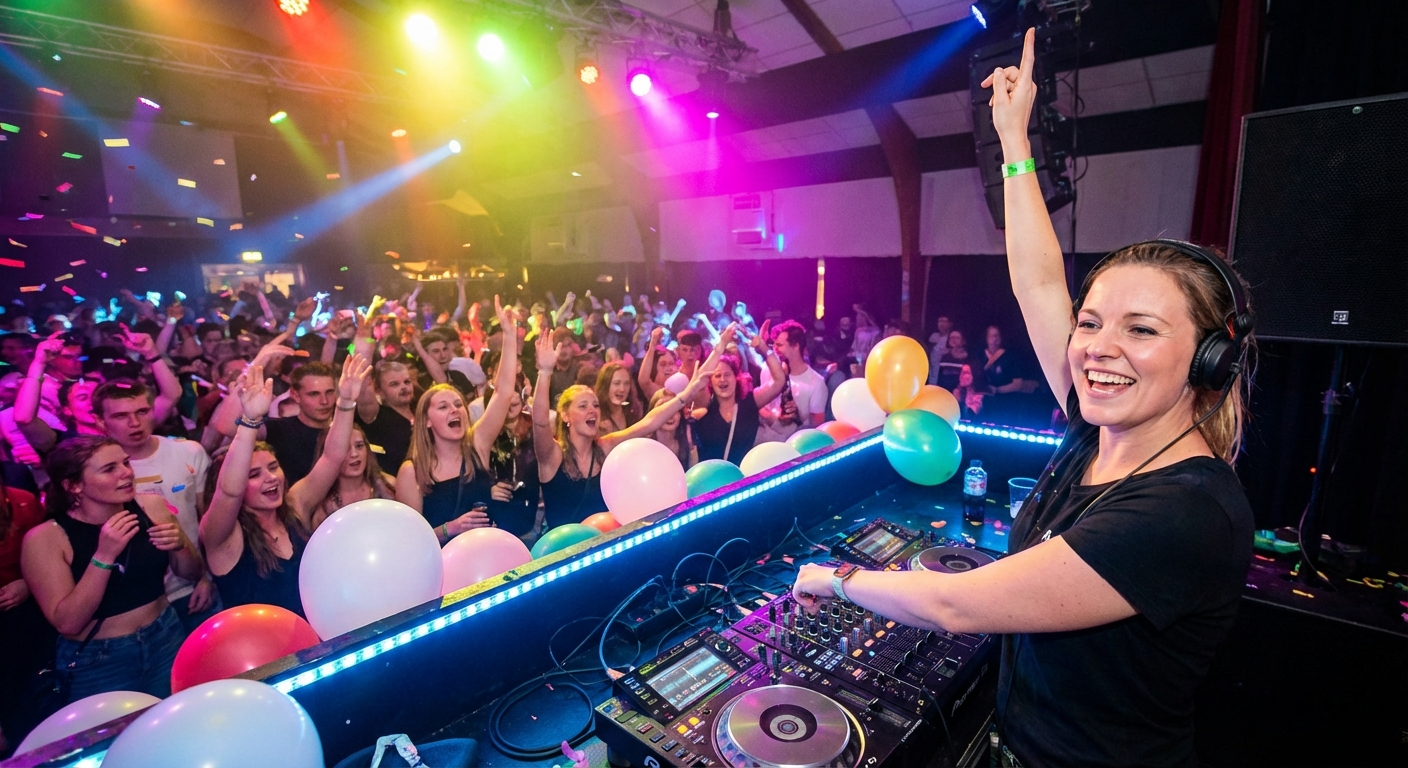
Want to be the hero of the next party? DJing a party isn't just about playing music; it's about crafting an experience. It's about reading the crowd, setting the mood, and keeping the energy high all night long. Whether you're a seasoned pro or just starting out, there's always something new to learn. Get ready to unlock the secrets to throwing unforgettable parties with the perfect soundtrack.
🎯 Key Takeaways
- Master the art of reading the crowd to tailor your music selection.
- Learn essential DJing techniques like beatmatching and mixing transitions.
- Discover how to build a diverse and engaging music library for any event.
- Understand the importance of planning and preparation for a successful DJ set.
- Avoid common DJing mistakes and elevate your performance to the next level.
Understanding Your Audience: The Key to a Great DJ Set
The most crucial aspect of how to DJ a party successfully is understanding your audience. It's not about playing your favorite songs; it's about playing the songs that they want to hear. Different crowds have different tastes. A group of college students will likely have different preferences than a corporate event crowd.
So, how do you figure out what your audience wants? Start by asking the host about the demographics of the attendees. Age, gender, cultural background, and musical preferences all play a role. Are they expecting Top 40 hits, classic rock anthems, electronic dance music, or a mix of everything?
Once the party gets started, pay close attention to the dance floor. Are people dancing enthusiastically, or are they standing around looking bored? Are they requesting specific songs? Adjust your music selection accordingly. Don't be afraid to experiment with different genres and tempos to see what gets the crowd moving.
- Observe the Crowd: Watch their reactions to different songs and genres.
- Take Requests: Encourage guests to suggest songs they want to hear.
- Adapt Your Set: Be flexible and adjust your music selection based on the crowd's response.
For example, you might start with some familiar pop hits to get everyone warmed up. If the crowd seems receptive, you could transition into some classic dance anthems or even some throwback tracks. But if the dance floor starts to empty, it's time to switch gears and try something different. Knowing how to DJ a party relies heavily on this adaptability.
Essential DJing Techniques: Beatmatching, Mixing, and Transitions
Beyond selecting the right songs, you also need to master some basic DJing techniques. Beatmatching is the process of synchronizing the tempos of two songs so that they play at the same speed. This creates a seamless transition between tracks and keeps the energy flowing.
Mixing involves blending two songs together so that they sound good when played simultaneously. This requires careful attention to volume levels, EQ settings, and effects. A smooth mix should be almost imperceptible, with one song fading seamlessly into the next.
Transitions are the techniques you use to move from one song to another. There are many different types of transitions, including fades, cuts, loops, and effects. The best transition depends on the style of music and the energy of the crowd. A quick cut might work well for high-energy dance music, while a slow fade might be better for a more relaxed atmosphere.
- Practice Beatmatching: Use DJ software or hardware to practice synchronizing the tempos of two songs.
- Experiment with Mixing: Learn how to blend two songs together using EQ, volume, and effects.
- Master Different Transitions: Practice different transition techniques, such as fades, cuts, loops, and effects.
There are countless online resources and tutorials available to help you learn these techniques. YouTube is your friend! Don't be afraid to experiment and find what works best for you. And remember, practice makes perfect. The more you DJ, the better you'll become at beatmatching, mixing, and transitioning.
💡 Pro Tip: Use headphones to cue up the next track and beatmatch it before bringing it into the mix. This will help you create smoother, more professional-sounding transitions.
Building Your Music Library: Quality Over Quantity
A great DJ needs a diverse and well-curated music library. It's not enough to just have a lot of songs; you need to have the right songs. This means choosing tracks that are high-quality, well-produced, and appropriate for the type of parties you'll be DJing.
Start by building a foundation of classic hits and popular tracks from different genres. Then, gradually expand your library with more obscure and niche songs. Don't be afraid to take risks and experiment with new music, but always make sure that the songs you choose are well-suited for your target audience.
Organize your music library using a consistent naming convention and tagging system. This will make it much easier to find the songs you need when you're DJing live. You can use DJ software like Serato DJ or Traktor Pro to manage your library and create playlists.
- Prioritize Quality: Choose songs that are well-produced and sound good on a sound system.
- Diversify Your Genres: Include a variety of musical styles to cater to different tastes.
- Organize Your Library: Use a consistent naming convention and tagging system to easily find songs.
Consider using a music streaming service like Spotify, Apple Music, or Tidal to supplement your library. These services offer access to millions of songs, which can be a great way to discover new music and expand your selection. However, be aware that you'll need a reliable internet connection to stream music live.
Crafting the Perfect Setlist: Planning and Preparation
While spontaneity is important, some planning is critical to how to DJ a party effectively. Creating a setlist is a crucial step in preparing for any DJ gig. A setlist is simply a list of songs that you plan to play, in the order that you plan to play them. This can help you stay organized, avoid repetition, and ensure that you have a good flow to your set.
When creating a setlist, consider the overall mood and energy of the party. Start with some mellow tracks to warm up the crowd, then gradually build the energy with more upbeat songs. Save the biggest hits for the peak of the night, and then wind down with some slower tracks at the end.
Don't be afraid to deviate from your setlist if the crowd is responding to something different. But having a plan in place will give you a solid foundation to work from and help you avoid getting stuck or losing momentum.
- Consider the Mood: Think about the overall atmosphere you want to create.
- Build the Energy: Start slow and gradually increase the tempo and intensity.
- Save the Best for Last: Play your biggest hits at the peak of the night.
💡 Pro Tip: Use PartyMusicPlaylist to collaborate with the party host and guests on creating a playlist. This way, you'll know exactly what kind of music they want to hear, and you can build your setlist accordingly. Create Your Playlist today!
Essential Party Starters
- "September" by Earth, Wind & Fire — Timeless classic that gets everyone moving.
- "Don't Stop Believin'" by Journey — Crowd-pleasing singalong anthem.
Setting the Stage: Sound, Lighting, and Atmosphere
The music is only part of the equation. To truly elevate your DJ set, you need to pay attention to the overall atmosphere of the party. This includes factors like sound quality, lighting, and decorations. Make sure you have a good sound system that can handle the music without distortion. Consider adding some party lights to create a more festive atmosphere.
Pay attention to the acoustics of the room. A large, empty room will sound very different than a small, crowded room. Adjust your EQ settings accordingly to compensate for the room's acoustics. If possible, position your speakers so that the sound is evenly distributed throughout the room.
Don't underestimate the power of lighting. Simple string lights or colored spotlights can transform a space and create a more inviting atmosphere. Consider using a fog machine or laser projector for a more dramatic effect.
- Invest in Good Sound: Ensure you have quality speakers and equipment.
- Optimize Lighting: Use lights to enhance the mood and create a festive vibe.
- Consider Decorations: Add decorations that match the theme of the party.
And don't forget about the little things. Make sure there's plenty of room for people to dance. Provide comfortable seating areas for people who want to take a break. And most importantly, make sure everyone is having fun!
Song Selection: Music for Every Moment
Knowing how to DJ a party isn't just about technical skills; it's about curating the perfect musical journey. Here are some song suggestions for different moments and moods during a party. Remember to adjust your selections based on the specific event and audience.
Warm-Up Music (Early Evening)
Start with mellow, upbeat tunes to set a positive vibe as guests arrive.
- "Valerie" by Amy Winehouse — Soulful and familiar to get people comfortable.
- "Lovely Day" by Bill Withers — Upbeat and positive, perfect for setting a good mood.
- "Walking on Sunshine" by Katrina & The Waves — Classic feel-good track.
Dance Floor Anthems (Peak Hours)
These are the songs that will get everyone moving and grooving.
Can't-Miss Dance Tracks
- "Uptown Funk" by Mark Ronson ft. Bruno Mars — Guaranteed to fill the dance floor.
- "Dancing Queen" by ABBA — Timeless classic that everyone knows and loves.
- "I Wanna Dance with Somebody (Who Loves Me)" by Whitney Houston — High-energy and iconic.
- "September" by Earth, Wind & Fire — A funky, feel-good track that's impossible to resist.
Late-Night Chill (Wind-Down)
As the party winds down, switch to slower, more relaxed tunes.
- "Come Away With Me" by Norah Jones — Smooth and relaxing.
- "Hallelujah" by Leonard Cohen — Beautiful and contemplative.
- "Better Together" by Jack Johnson — Easygoing and heartwarming.
Handling Requests: The Art of Crowd Pleasing
One of the trickiest aspects of how to DJ a party is dealing with song requests. Some guests will have great suggestions, while others will ask for songs that are completely inappropriate for the occasion. It's important to be polite but firm in your responses.
If someone requests a song that you don't have, simply apologize and explain that you don't have it in your library. If the request is inappropriate for the mood of the party, gently suggest that you might play it later in the night. And if you're getting bombarded with requests, consider setting up a designated request station or using a digital request system like the one offered by PartyMusicPlaylist.
Remember, you can also direct them to use PartyMusicPlaylist to add their requests directly to the collaborative playlist! This takes the pressure off you and ensures everyone has a chance to contribute to the music selection.
- Be Polite: Always respond to requests with courtesy and respect.
- Set Boundaries: Don't be afraid to say no to inappropriate requests.
- Offer Alternatives: Suggest similar songs that fit the mood.
Ultimately, the goal is to keep the majority of the crowd happy while still maintaining control over the music selection. It's a balancing act, but with practice, you'll learn how to navigate the world of song requests like a pro.
⚠️ Heads Up: Avoid promising to play every request. Some songs might not fit the vibe, and you don't want to disappoint people if you can't fulfill every wish.
Common DJing Mistakes to Avoid
Everyone makes mistakes, especially when they're learning something new. But by being aware of these common pitfalls, you can avoid making them yourself and how to DJ a party like a pro.
Playing the Same Genre All Night: Keep the music diverse to keep your audience engaged.
Ignoring the Crowd: Pay attention to the energy and adjust your music accordingly.
Bad Transitions: Practice your mixing skills to create seamless transitions between songs.
- Don't Get Stuck in One Genre: Mix it up to keep things interesting.
- Read the Room: Pay attention to the crowd's reactions and adjust your set accordingly.
- Practice Your Transitions: Smooth transitions are essential for maintaining energy.
⚠️ Heads Up: One of the biggest mistakes is failing to check your equipment beforehand. Always test your sound system, headphones, and cables before the party starts to avoid any technical glitches.
Elevate Your Performance: Pro DJ Tips and Tricks
Ready to take your DJing skills to the next level? Here are some expert tips and tricks to help you stand out from the crowd and how to DJ a party like a seasoned professional.
Create Custom Intros and Outros: Use DJ software to create personalized intros and outros for your songs. This can add a unique touch to your set and make it more memorable.
Use Effects Sparingly: Effects can be a great way to add excitement and energy to your mixes, but don't overdo it. Use them sparingly and strategically to enhance the music, not distract from it.
Engage with the Crowd: Don't just stand behind the DJ booth and play music. Interact with the crowd, make eye contact, and use the microphone to hype them up. A little bit of personality can go a long way.
Mastering the art of DJing takes time and practice. Don't be afraid to experiment, take risks, and learn from your mistakes. The more you DJ, the better you'll become at reading the crowd, selecting the right music, and creating an unforgettable party experience.
Frequently Asked Questions
PartyMusicPlaylist Team
Helping you create the perfect soundtrack for life's most memorable moments. Expert tips on event music planning, DJ coordination, and playlist curation.
Learn MoreReady to Plan Your Event Music?
Create the perfect playlist for your special event. Search songs, organize your timeline, and share with your DJ.
Get Started FreeRelated Articles
Continue reading