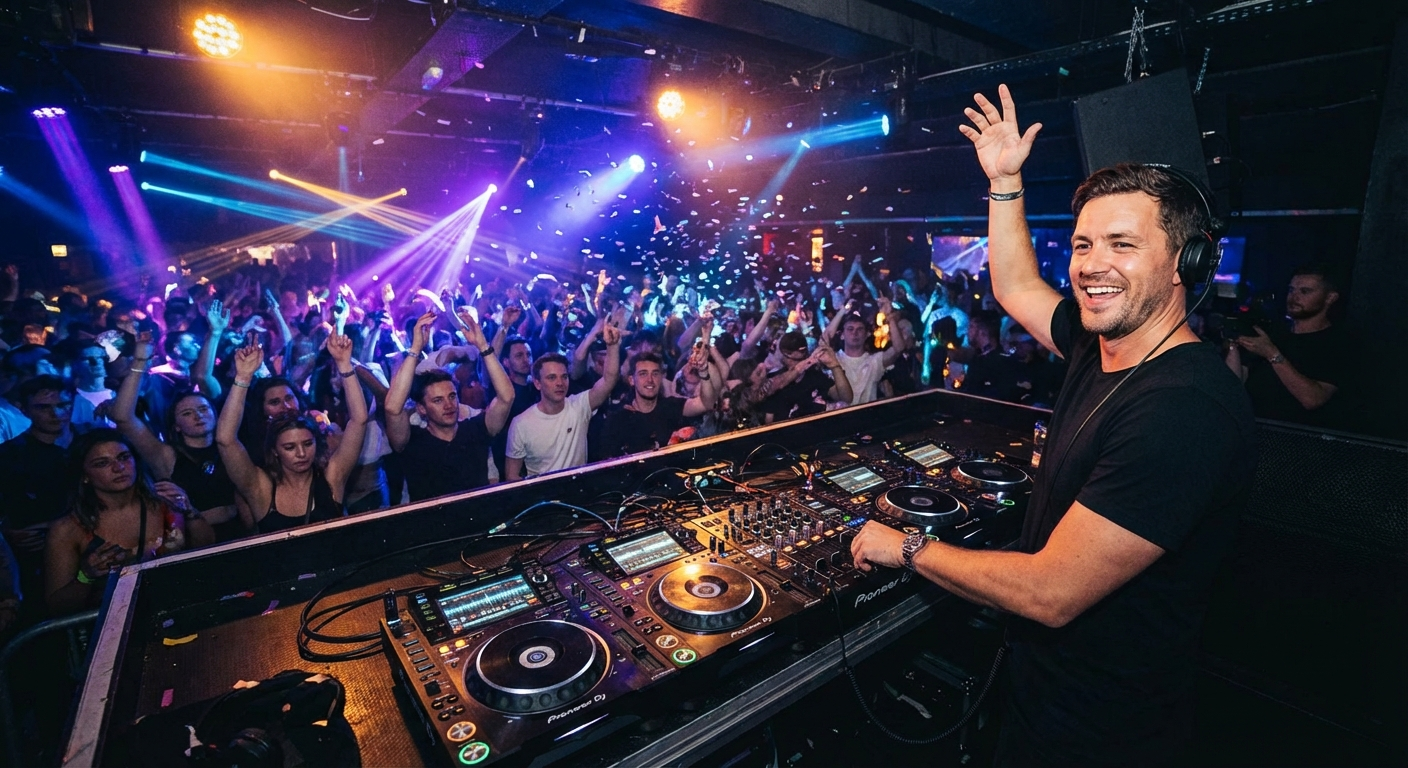
As a DJ in 2026, you're not just spinning tunes; you're curating experiences. But are you navigating the complex world of music licensing events correctly? One wrong spin, and you could face hefty fines or legal trouble. This guide unveils the 3 music licensing secrets every DJ MUST know to stay on the right side of the law and keep the party going!
🎯 Key Takeaways
- Understand the different types of music licenses needed for events.
- Learn how to properly report your song selections to performing rights organizations (PROs).
- Discover strategies for sourcing royalty-free music to reduce licensing costs.
- Implement a system for tracking and managing music licenses for all your events.
- Stay updated on the latest copyright laws and regulations impacting DJs and events.
Decoding Music Licensing for Events: A DJ's Survival Guide
The world of music licensing events can seem like a tangled web of legal jargon and confusing regulations. But fear not! At its core, music licensing is about compensating the copyright holders – the songwriters, composers, and publishers – for the use of their creative work. When you play music at an event, whether it's a wedding, a corporate party, or a club night, you're essentially performing their music publicly, and that requires permission.
Why is this so important? Because failing to obtain the necessary music licenses can lead to serious consequences, including fines, lawsuits, and even damage to your reputation. Imagine facing a cease-and-desist order in the middle of a packed dance floor – not a good look!
There are primarily two types of music licenses you need to be aware of:
- Performing Rights Licenses: These licenses grant you the right to publicly perform copyrighted musical works. They are typically obtained from Performing Rights Organizations (PROs) like ASCAP, BMI, SESAC, and GMR.
- Mechanical Licenses: While less relevant for live DJ sets, these licenses cover the reproduction and distribution of copyrighted musical works. They are more relevant if you're creating mixes or recordings of your DJ sets for sale or distribution.
Understanding the difference between these licenses is crucial for ensuring you're fully compliant with music licensing laws. Let's delve deeper into how these licenses work and how to obtain them.
Navigating PROs: ASCAP, BMI, SESAC & Beyond
Performing Rights Organizations (PROs) play a vital role in the music licensing events ecosystem. They act as intermediaries between music creators and music users, collecting royalties on behalf of their members and distributing them accordingly. In the United States, the major PROs are ASCAP (American Society of Composers, Authors and Publishers), BMI (Broadcast Music, Inc.), SESAC (Society of European Stage Authors and Composers), and GMR (Global Music Rights).
Each PRO represents a different catalog of musical works, so it's essential to understand which PROs you need licenses from to cover the music you play at your events. In most cases, venues are actually responsible for securing these licenses, not the DJ. However, as a professional DJ, it's crucial to understand the PROs and advocate for proper licensing to protect yourself.
Here's a breakdown of each PRO:
- ASCAP: One of the largest PROs, representing a vast catalog of music across various genres.
- BMI: Another major PRO with a diverse range of members and musical works.
- SESAC: A smaller PRO compared to ASCAP and BMI, but still represents a significant number of songwriters and publishers.
- GMR: A relatively new PRO that has quickly gained prominence, representing some of the biggest names in the music industry.
So, how do you navigate this PRO landscape? Here's a simplified approach:
- Inquire with the Venue: Always ask the venue manager or event organizer whether they have the necessary PRO licenses in place.
- Understand Blanket Licenses: Venues often obtain blanket licenses from PROs, which cover the performance of any music in their respective catalogs.
- Keep Detailed Playlists: Maintain accurate records of the songs you play at each event. This information may be required by PROs for royalty distribution purposes.
By understanding the role of PROs and ensuring proper licensing is in place, you can avoid potential legal issues and support the artists whose music you rely on to entertain your audiences. You can even use PartyMusicPlaylist to keep track of everything you play.
Royalty-Free Music: A Budget-Friendly Alternative
For DJs looking to reduce their music licensing costs, royalty-free music offers a compelling alternative. Unlike traditional copyrighted music, royalty-free music doesn't require you to pay royalties each time it's played. Instead, you typically pay a one-time fee for a license that grants you the right to use the music in various contexts, including events.
While royalty-free music can be a cost-effective option, it's essential to understand its limitations. The quality and variety of royalty-free music can vary significantly, and it may not always be suitable for every type of event. You'll also want to read the fine print about permitted uses (i.e. some licenses may not permit streaming or broadcasting). As a DJ that plays music for events, ensure you get permission to play the music publicly.
Here are some popular sources for royalty-free music:
- PremiumBeat: Offers a curated selection of high-quality royalty-free music.
- Artlist: Provides a subscription-based model with unlimited access to a vast library of music.
- Epidemic Sound: Another subscription-based service with a wide range of tracks and sound effects.
When using royalty-free music, it's crucial to carefully review the licensing terms and conditions to ensure you're complying with all the requirements. Pay attention to restrictions on commercial use, modification, and attribution.
💡 Pro Tip: Consider using royalty-free music for background music during breaks or for specific segments of your event where you want to create a particular atmosphere without incurring additional licensing costs.
Crafting Compliant Playlists: Reporting Your Song Selections
One of the most critical aspects of music licensing events is accurately reporting your song selections to the relevant PROs. This information is used to track the performance of copyrighted musical works and ensure that royalties are distributed fairly to the copyright holders.
While venues are typically responsible for reporting song selections, DJs can play a vital role in this process by maintaining detailed playlists and providing them to the venue or event organizer. The more accurate and comprehensive your playlists are, the easier it is for PROs to track usage and compensate artists accordingly.
Here's how to create compliant playlists:
- Record Every Song: Make sure to meticulously document every song you play at each event, including the song title, artist name, and composer/songwriter (if known).
- Use Playlist Management Software: Consider using playlist management software like PartyMusicPlaylist, which allows you to easily create, organize, and export your playlists in a variety of formats.
- Share Your Playlists: Provide your playlists to the venue manager or event organizer in a timely manner. Ask them about their reporting procedures and how your playlists will be used.
By taking the time to create accurate and detailed playlists, you're not only fulfilling your music licensing obligations but also contributing to a more transparent and equitable music ecosystem.
Editor's Top Picks for Playlist Management Software
- PartyMusicPlaylist — Free and easy to use online playlist builder
Essential Songs for Every Event: Covering Your Bases
Having a repertoire of crowd-pleasing songs is essential for any DJ, but it's equally important to ensure that your music selection is fully licensed. Here are some timeless classics and modern hits that are sure to get any party started, along with a reminder to verify their licensing status:
- "September" by Earth, Wind & Fire — A timeless classic that never fails to get people moving.
- "Uptown Funk" by Mark Ronson ft. Bruno Mars — A modern funk anthem that's guaranteed to fill the dance floor.
- "Dancing Queen" by ABBA — An iconic disco track that's perfect for weddings and celebrations.
- "Don't Stop Believin'" by Journey — A singalong anthem that everyone knows and loves.
- "Happy" by Pharrell Williams — An infectious feel-good song that's sure to put a smile on everyone's face.
- "I Wanna Dance with Somebody (Who Loves Me)" by Whitney Houston — A high-energy dance track that's perfect for getting the party started.
- "Mr. Brightside" by The Killers — An indie rock anthem that's a staple at parties and events.
- "Sweet Caroline" by Neil Diamond — A crowd-pleasing singalong that's perfect for creating a sense of community.
- "Livin' on a Prayer" by Bon Jovi — A rock anthem that's sure to get everyone pumped up.
- "Yeah!" by Usher ft. Lil Jon & Ludacris — A hip-hop classic that's guaranteed to get people dancing.
Remember to always verify the licensing status of your music and obtain the necessary licenses before playing it at any event. By doing so, you're protecting yourself from potential legal issues and supporting the artists whose music you rely on to entertain your audiences.
⚠️ Heads Up: Just because a song is popular doesn't mean it's properly licensed for public performance. Don't assume anything – always double-check!
Wedding Reception Must-Haves: Love, Laughter, and Licensed Music
Weddings are a particularly sensitive area when it comes to music licensing events. Couples want their special day to be perfect, and music plays a crucial role in setting the atmosphere and creating lasting memories. However, it's essential to ensure that all the music played at a wedding reception is properly licensed.
Here are some essential songs for a wedding reception, along with a reminder to verify their licensing status:
- "At Last" by Etta James — A timeless classic for the first dance.
- "Can't Help Falling in Love" by Elvis Presley — A romantic ballad that's perfect for slow dancing.
- "A Thousand Years" by Christina Perri — A modern love song that's popular for weddings.
- "Thinking Out Loud" by Ed Sheeran — A heartfelt ballad that's perfect for the first dance or slow dancing.
- "You Are the Best Thing" by Ray LaMontagne — An upbeat and soulful love song that's perfect for dancing.
- "Marry You" by Bruno Mars — A fun and celebratory song that's perfect for getting the party started.
- "Crazy Little Thing Called Love" by Queen — An upbeat and energetic rock song that's perfect for dancing.
- "Signed, Sealed, Delivered (I'm Yours)" by Stevie Wonder — A soulful and upbeat love song that's perfect for celebrating the happy couple.
In addition to these essential songs, it's also important to consider the couple's personal preferences and create a playlist that reflects their unique style and taste. By doing so, you'll ensure that their wedding reception is a truly memorable and personalized event.
Can't-Miss Wedding Reception Tracks
- "At Last" by Etta James — Timeless first dance perfection.
- "Marry You" by Bruno Mars — Upbeat celebration anthem.
Corporate Events: Setting the Right Tone (Legally!)
Corporate events require a different approach to music licensing events compared to weddings or club nights. The music selection should be appropriate for the audience and the event's purpose, and it's essential to ensure that all the music is properly licensed.
Here are some tips for selecting music for corporate events:
- Consider the Audience: Choose music that is appropriate for the age range and demographics of the attendees.
- Match the Tone: Select music that aligns with the event's overall tone and atmosphere. For example, upbeat and energetic music might be suitable for a product launch, while more mellow and sophisticated music might be appropriate for a networking event.
- Avoid Explicit Lyrics: Steer clear of songs with explicit lyrics or controversial themes that could offend or alienate attendees.
- Obtain Proper Licenses: Ensure that all the music you play at the event is properly licensed, either through the venue's blanket licenses or through individual licenses obtained from PROs.
Here are some song suggestions for corporate events:
- "Walking on Sunshine" by Katrina & The Waves — An upbeat and feel-good song that's perfect for creating a positive atmosphere.
- "Happy" by Pharrell Williams — An infectious and cheerful song that's sure to put a smile on everyone's face.
- "September" by Earth, Wind & Fire — A classic disco track that's perfect for getting people moving.
- "Lovely Day" by Bill Withers — A soulful and uplifting song that's perfect for creating a relaxed and positive vibe.
- "Good Day Sunshine" by The Beatles — A cheerful and optimistic song that's perfect for starting the day off right.
Karaoke Nights: The DJ's Guide to Singalong Success (and Legal Compliance)
Karaoke nights add another layer of complexity to music licensing events. Not only are you playing music publicly, but you're also facilitating public performances by audience members. It's crucial to ensure that you have the necessary licenses to cover both aspects of the event.
Here are some tips for running a successful (and legally compliant) karaoke night:
- Obtain Karaoke Licenses: In addition to standard performing rights licenses, you may also need to obtain specific karaoke licenses from PROs or karaoke licensing agencies.
- Use Licensed Karaoke Tracks: Ensure that you're using licensed karaoke tracks, which typically include the lyrics and backing music.
- Report Song Selections: Keep track of the songs that are performed each night and report them to the relevant PROs or licensing agencies.
- Display Licensing Information: Consider displaying information about your karaoke licenses at the event to demonstrate your commitment to compliance.
Here are some popular karaoke songs that are sure to get the crowd singing:
- "Bohemian Rhapsody" by Queen — A karaoke classic that's perfect for showcasing vocal range and dramatic flair.
- "Don't Stop Believin'" by Journey — A singalong anthem that everyone knows and loves.
- "Livin' on a Prayer" by Bon Jovi — A rock anthem that's sure to get everyone pumped up.
- "I Will Survive" by Gloria Gaynor — A empowering anthem that's perfect for belting out.
- "Sweet Caroline" by Neil Diamond — A crowd-pleasing singalong that's perfect for creating a sense of community.
💡 Pro Tip: Engage the audience with song requests. PartyMusicPlaylist lets guests add their own favorites to the queue!
Common Music Licensing Mistakes to Avoid
Navigating the world of music licensing events can be tricky, and it's easy to make mistakes, especially if you're not fully informed. Here are some common pitfalls to avoid:
- Assuming Blanket Licenses Cover Everything: Don't assume that the venue's blanket licenses cover all types of music or performances. Always verify the scope of the licenses and obtain additional licenses if necessary.
- Ignoring Royalty-Free Music Restrictions: Carefully review the licensing terms and conditions of royalty-free music to ensure that you're complying with all the requirements. Pay attention to restrictions on commercial use, modification, and attribution.
- Failing to Report Song Selections: Accurately report your song selections to the relevant PROs or licensing agencies. This information is crucial for tracking the performance of copyrighted musical works and ensuring that royalties are distributed fairly to the copyright holders.
- Using Unlicensed Music: Never use unlicensed music at any event. This can lead to serious legal consequences, including fines, lawsuits, and damage to your reputation.
⚠️ Heads Up: Downloading music illegally and playing it at events is a surefire way to get into trouble. Stick to legal sources and obtain the necessary licenses!
Expert Tips for Streamlining Your Music Licensing Process
Managing music licensing events can be a time-consuming and complex task, but there are strategies you can implement to streamline the process and make it more efficient:
- Develop a System for Tracking Licenses: Create a spreadsheet or database to track all your music licenses, including the PROs, licensing agencies, songs covered, and expiration dates.
- Automate Playlist Creation: Use playlist management software like PartyMusicPlaylist to automate the process of creating and organizing your playlists.
- Establish Relationships with PROs: Build relationships with representatives from PROs and licensing agencies. They can provide valuable guidance and support in navigating the licensing landscape.
- Stay Updated on Copyright Laws: Keep abreast of the latest copyright laws and regulations impacting DJs and events. Subscribe to industry newsletters, attend workshops, and consult with legal professionals as needed.
By implementing these expert tips, you can streamline your music licensing process, reduce your risk of legal issues, and focus on what you do best: entertaining your audiences with great music.
Frequently Asked Questions
PartyMusicPlaylist Team
Helping you create the perfect soundtrack for life's most memorable moments. Expert tips on event music planning, DJ coordination, and playlist curation.
Learn MoreReady to Plan Your Event Music?
Create the perfect playlist for your special event. Search songs, organize your timeline, and share with your DJ.
Get Started FreeRelated Articles
Continue reading