Introduction: Cracking the Code to the Perfect Party Rhythm
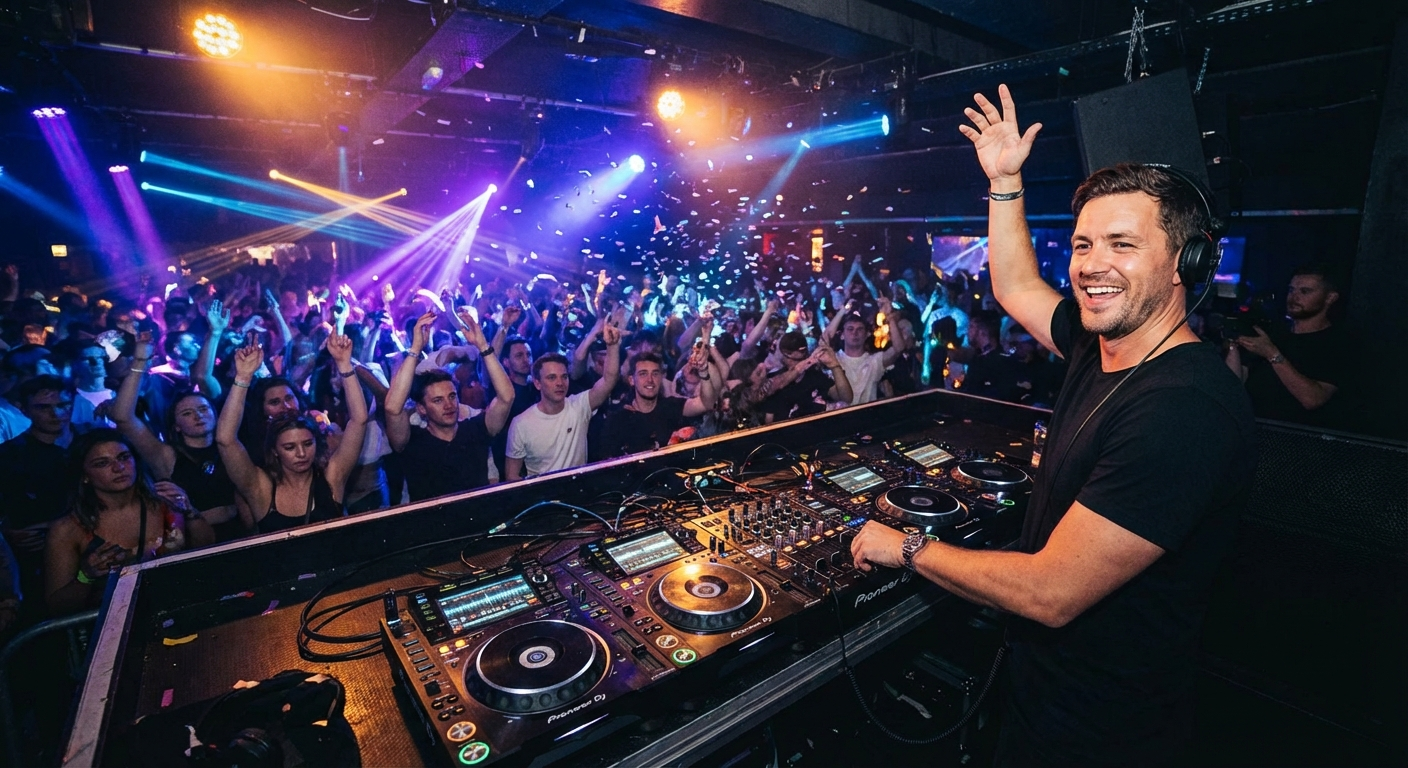
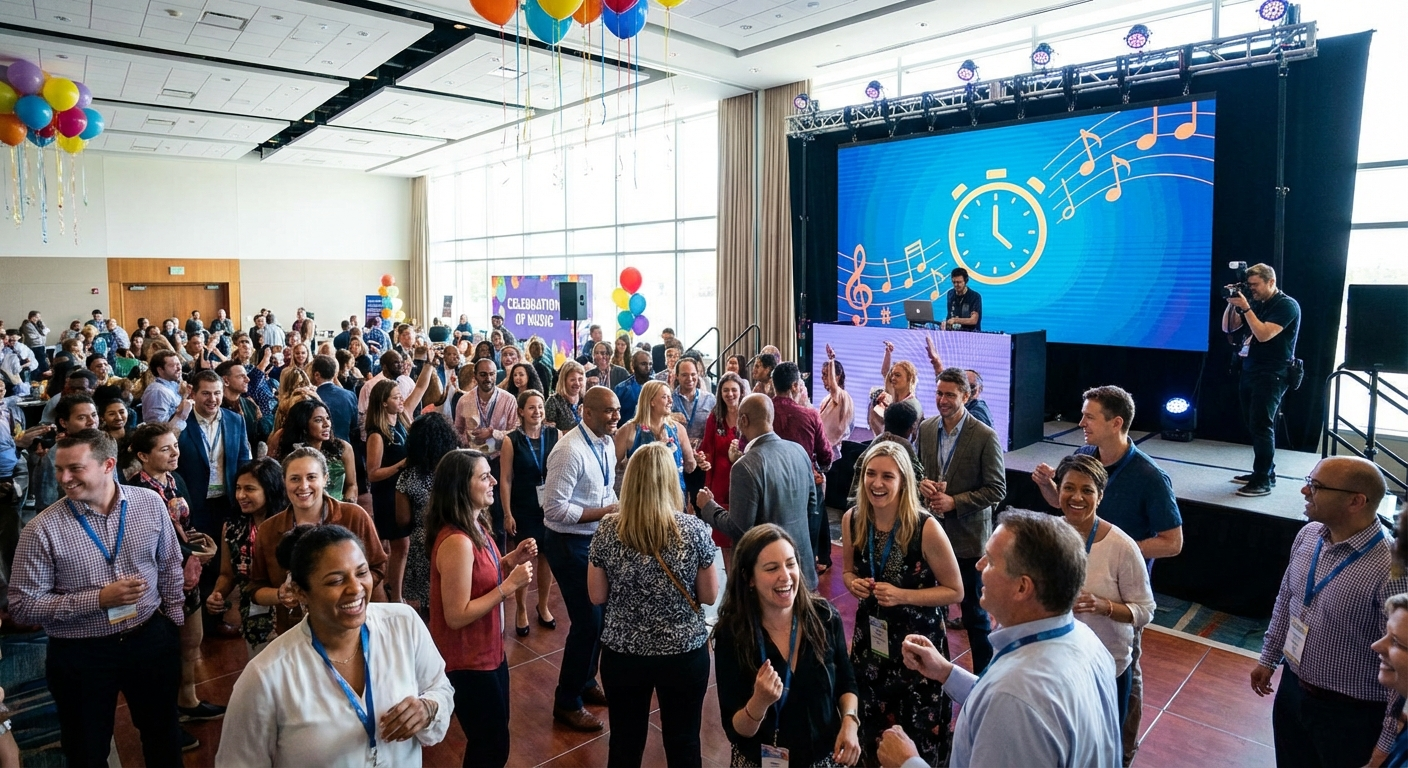
Ever been to a party where the music just flows? Where the energy is consistently high, and the dance floor is never empty? A lot of that magic comes down to understanding a simple, yet crucial, concept: how many songs per hour a DJ should play. It's not just about throwing on tunes; it's about crafting an experience. This isn't just about knowing the right number of tracks, it's about understanding the nuances of tempo, genre, and crowd energy. It's the secret ingredient that separates a good DJ from an unforgettable one.
In this guide, we'll dive deep into the art of pacing your music sets, providing you with actionable insights and practical tips to master the rhythm of any event. We'll cover everything from calculating the ideal number of songs to choosing the right tracks for specific moments. We'll even share some pro-level secrets that will help you keep the party going all night long. By the end, you'll have the tools and knowledge to create playlists that captivate, energize, and leave your audience wanting more. Ready to take your DJ skills to the next level? Let’s dive in!
The Core Concept: Songs Per Hour (SPH) Explained
So, how many songs per hour should a DJ play? The answer, like most things in music, isn't set in stone. However, a good starting point is around 15-20 songs per hour. This range accounts for the average song length (3-4 minutes) and allows for seamless transitions and mixing. Think of it as a guideline, not a rigid rule. The actual number will depend on several factors, including the genre of music, the style of mixing, and the overall vibe you're trying to create. For example, if you are playing high-energy electronic dance music (EDM), you might lean towards the higher end of that range, blending tracks quickly to maintain momentum. If you're spinning classic rock or country, you might opt for fewer songs per hour, allowing each track to breathe and resonate with the audience.
The goal is to maintain a consistent flow without rushing through the music or letting the energy drop. Consider the BPM (beats per minute) of your songs. A set of high-BPM tracks will naturally feel faster-paced, requiring more frequent transitions. Conversely, a set of slower, more melodic tunes will allow for longer playtimes per song.
Here's where understanding your crowd comes into play. Are they there to dance non-stop, or are they looking for a more relaxed atmosphere? Observe their reactions and adjust your SPH accordingly. A packed dance floor is a good sign you're on the right track. People leaving the dance floor might indicate that the pace is too fast or too slow. Don't be afraid to experiment and find what works best for your audience and the specific event!
Breaking it Down: Factors Influencing Your SPH
Several factors can influence the ideal songs per hour for your DJ set. Genre is a big one. Electronic music, with its often-seamless transitions, can handle a higher SPH. Think of a high-energy set with tracks like:
- "One Kiss" by Dua Lipa & Calvin Harris — Perfect for blending into another upbeat track.
- "Don't Start Now" by Dua Lipa — Keeps the energy high with its infectious beat.
- "Good Feeling" by Flo Rida — An anthem that gets everyone moving.
On the other hand, genres like classic rock or country often benefit from a lower SPH, allowing listeners to fully appreciate each song. Examples include:
- "Sweet Child o' Mine" by Guns N' Roses — A classic that deserves to be played in its entirety.
- "Hotel California" by Eagles — Its iconic intro and guitar solo need time to shine.
- "Friends in Low Places" by Garth Brooks — A sing-along favorite that shouldn't be rushed.
Mixing style also plays a crucial role. Are you doing long, blended transitions, or are you cutting quickly between tracks? Longer transitions naturally reduce the number of songs you can play per hour. The event type matters too. A wedding reception will likely require a different SPH than a nightclub set. Weddings often incorporate slower songs during dinner or special dances, affecting the overall pace. A nightclub, however, is all about maintaining a high-energy atmosphere, which usually requires more songs per hour.
Finally, consider the crowd's energy. Are they actively dancing and engaged, or are they more reserved? Pay attention to their reactions and adjust your SPH accordingly. If the dance floor is packed, you're probably doing something right. If people are starting to lose interest, it might be time to switch things up. Remember, a great DJ is not just a music player, but a crowd reader and a vibe creator.
Step-by-Step: Calculating Your Ideal SPH
Let's get practical. How do you actually calculate your ideal songs per hour? Here’s a step-by-step approach:
- Determine the average song length: Most songs are around 3-4 minutes long. For a general estimate, use 3.5 minutes.
- Decide on your desired mixing style: Are you doing long blends, quick cuts, or a mix of both? Factor in the time you'll spend transitioning between tracks. For long blends, add about 30-60 seconds per transition. For quick cuts, add about 10-15 seconds.
- Calculate the total time spent on transitions per hour: If you're playing 15 songs per hour with 30-second transitions, that's 7.5 minutes (15 transitions x 0.5 minutes).
- Subtract transition time from the total hour: 60 minutes - 7.5 minutes = 52.5 minutes.
- Divide the remaining time by the average song length: 52.5 minutes / 3.5 minutes per song = 15 songs.
This calculation gives you a rough estimate. Remember to adjust it based on the specific factors we discussed earlier. For example, if you're playing primarily shorter songs with quick transitions, you can increase the number of songs per hour. If you're playing longer songs with extended transitions, you'll need to decrease it.
Here's a pro tip: create a sample playlist and time it out. Play it in real-time, mixing the songs as you would during a live set. This will give you a much more accurate idea of your actual SPH. Also, don't be afraid to use tools like PartyMusicPlaylist.com to help you organize your playlists and estimate the total running time. Knowing how long your planned music selection is takes the guess work out of your DJing.
Crafting the Perfect Flow: Building a Dynamic Playlist
Knowing how many songs per hour is just one piece of the puzzle. The real magic lies in crafting a dynamic playlist that keeps the energy flowing and the crowd engaged. This means carefully selecting songs that complement each other, creating seamless transitions, and building a narrative that takes the listener on a journey.
Start by mapping out the different phases of your event. Will there be a cocktail hour, dinner service, dancing, and a late-night wind-down? Each phase requires a different mood and energy level. For example, during cocktail hour, you might want to play mellow, upbeat tunes like:
- "Riptide" by Vance Joy — Relaxed and cheerful, perfect for mingling.
- "Better Together" by Jack Johnson — Easy listening with a positive vibe.
- "Walking on Sunshine" by Katrina & The Waves — Upbeat and infectious.
As the night progresses and the dance floor opens, you'll want to increase the energy with more upbeat tracks, such as:
- "September" by Earth, Wind & Fire — A timeless classic that gets everyone dancing.
- "Uptown Funk" by Mark Ronson ft. Bruno Mars — Funky and irresistible.
- "I Wanna Dance with Somebody (Who Loves Me)" by Whitney Houston — An iconic dance anthem.
Pay attention to the BPM of your songs. Gradually increase the BPM as the night goes on to build excitement. Use smooth transitions to maintain the flow. Consider using key mixing techniques to create harmonious blends. And most importantly, read the crowd. If they're loving a particular genre or style, stick with it for a while. If they seem to be losing interest, switch things up. The goal is to create an experience that is both enjoyable and memorable for everyone involved. Also, use tools like PartyMusicPlaylist to let the guests add their song requests, which will help you find the right vibe for the crowd.
Song Selection by Moment: Curating the Vibe
Let's delve deeper into song selection by moment. Understanding the mood you need to create is vital in determining the right songs per hour and overall setlist.
Cocktail Hour: Mellow Grooves
For cocktail hour, aim for a relaxed and sophisticated vibe. The goal is to create a pleasant backdrop for conversation without overwhelming guests. Consider these options:
- "Come Away With Me" by Norah Jones — Smooth and jazzy.
- "The Scientist" by Coldplay — Melancholy yet beautiful.
- "Ho Hey" by The Lumineers — Upbeat and folksy.
- "Budapest" by George Ezra — Catchy and easy to listen to.
- "A Sky Full of Stars" (Acoustic) by Coldplay — A mellow take on a popular song.
Dinner Service: Background Music
During dinner, the music should be even more subtle, providing a pleasant ambiance without distracting from conversation. Instrumental versions of popular songs are a great choice.
- "Clair de Lune" by Claude Debussy — A timeless classical piece.
- Instrumental versions of Beatles songs — Familiar and enjoyable.
- "Watermark" by Enya — Ethereal and calming.
- Jazz standards by Miles Davis or John Coltrane — Sophisticated and elegant.
- "Gymnopédie No. 1" by Erik Satie — Simple and beautiful.
Dance Floor: High Energy Anthems
When it's time to hit the dance floor, crank up the energy with upbeat and familiar tracks. Mix in a variety of genres to keep everyone happy.
- "Dancing Queen" by ABBA — A guaranteed crowd-pleaser.
- "Brown Eyed Girl" by Van Morrison — A classic sing-along.
- "Yeah!" by Usher ft. Lil Jon & Ludacris — An early 2000s hip-hop anthem.
- "Mr. Brightside" by The Killers — An indie rock staple.
- "Don't Stop Believin'" by Journey — An epic power ballad.
Late Night Wind-Down: Chill Vibes
As the night winds down, transition to more mellow and soulful tracks to create a relaxed atmosphere.
- "Thinking Out Loud" by Ed Sheeran — Romantic and heartfelt.
- "Hallelujah" by Leonard Cohen — A poignant and moving song.
- "Wonderful World" by Louis Armstrong — A timeless classic.
- "Can't Help Falling in Love" by Elvis Presley — A romantic ballad.
- "What a Wonderful World" by Louis Armstrong — Uplifting and reflective.
Tips and Strategies: Mastering the Art of Pacing
Beyond calculating how many songs per hour, mastering the art of pacing involves several key strategies. One important aspect is to build anticipation. Don't start with your biggest hits right away. Instead, gradually build the energy level, teasing the audience with familiar tunes and building up to the peak moments.
Use transitions effectively. A smooth transition can keep the energy flowing, while a poorly executed transition can kill the vibe. Practice your mixing techniques and experiment with different transition styles to find what works best for you. Tools like PartyMusicPlaylist can also help you organize your playlists and create seamless transitions by allowing you to drag and drop songs into the perfect order. This tool also lets you find local DJs to get inspiration to help you find the right style.
Another key strategy is to read the crowd. Pay attention to their reactions and adjust your music accordingly. If they're loving a particular song or genre, stick with it for a while. If they seem to be losing interest, switch things up. Be flexible and adapt to the energy of the room. The best DJs are not just music players, but crowd readers and vibe creators.
Finally, don't be afraid to experiment. Try new songs, different genres, and unique mixing techniques. The more you experiment, the more you'll learn about what works and what doesn't. And the more comfortable you'll become with adapting to different audiences and situations. Remember, DJing is an art, not a science. There's no one-size-fits-all approach. Find your own style and let your creativity shine.
"The key to a great DJ set is not just about playing the right songs, but about playing them at the right time, in the right order, and with the right energy."
Common Mistakes to Avoid: Keeping the Party Alive
Even experienced DJs can fall into common traps that disrupt the flow and kill the party vibe. One major mistake is being unprepared. Not having a well-planned playlist, or not knowing your music library, can lead to awkward silences and fumbled transitions. Always come prepared with a solid setlist and a backup plan in case your initial choices don't work.
Another common mistake is ignoring the crowd. Playing music that doesn't resonate with the audience is a surefire way to empty the dance floor. Pay attention to their reactions and adjust your music accordingly. Don't be afraid to take requests, but be selective. Only play requests that fit the overall vibe and energy of your set. PartyMusicPlaylist.com can also help with this by letting guests add song requests to a public list.
Rushing through your set is another pitfall. Playing too many songs per hour can make the music feel disjointed and frenetic. Give each song time to breathe and resonate with the audience. Use smooth transitions to maintain the flow and avoid abrupt changes in tempo or genre. Conversely, playing too few songs per hour can lead to lulls in the energy. Find a balance that keeps the party moving without overwhelming the audience.
Also, avoid technical issues. Make sure your equipment is in good working order and that you have all the necessary cables and adapters. Test your setup before the event to avoid any surprises. And finally, don't forget to have fun! Your energy and enthusiasm will be contagious and will help create a positive and memorable experience for everyone involved.
Expert Tips and Pro Advice: Level Up Your DJ Skills
Want to take your DJ skills to the next level? Here are some expert tips and pro advice to help you stand out from the crowd.
First, master the art of reading the room. Pay close attention to the crowd's body language, energy level, and overall mood. Are they actively dancing and engaged, or are they more reserved? Use this information to adjust your music selection and pacing accordingly. A truly great DJ is a master of observation and adaptation.
Second, develop your own unique style. Don't just copy what other DJs are doing. Experiment with different genres, mixing techniques, and performance styles to find what works best for you. Create a signature sound that sets you apart from the competition.
"DJing is more than just playing music; it's about creating an experience."
Third, network and build relationships. Attend industry events, connect with other DJs, and promote your services online. The more people you know, the more opportunities you'll have to showcase your talents and build your career. Also, consider creating a profile on PartyMusicPlaylist.com so people can find you for their next event.
Fourth, stay up-to-date with the latest music trends. Listen to new releases, follow music blogs and podcasts, and attend live shows to discover emerging artists and genres. The more you know about music, the better equipped you'll be to create innovative and engaging playlists.
Finally, never stop learning. The world of music is constantly evolving, so it's important to stay curious and continue to hone your skills. Take online courses, attend workshops, and practice regularly to improve your mixing techniques, music selection, and overall performance. The more you invest in your craft, the more successful you'll become.
Frequently Asked Questions
PartyMusicPlaylist Team
Helping you create the perfect soundtrack for life's most memorable moments. Expert tips on event music planning, DJ coordination, and playlist curation.
Learn MoreReady to Plan Your Event Music?
Create the perfect playlist for your special event. Search songs, organize your timeline, and share with your DJ.
Get Started FreeRelated Articles
Continue reading