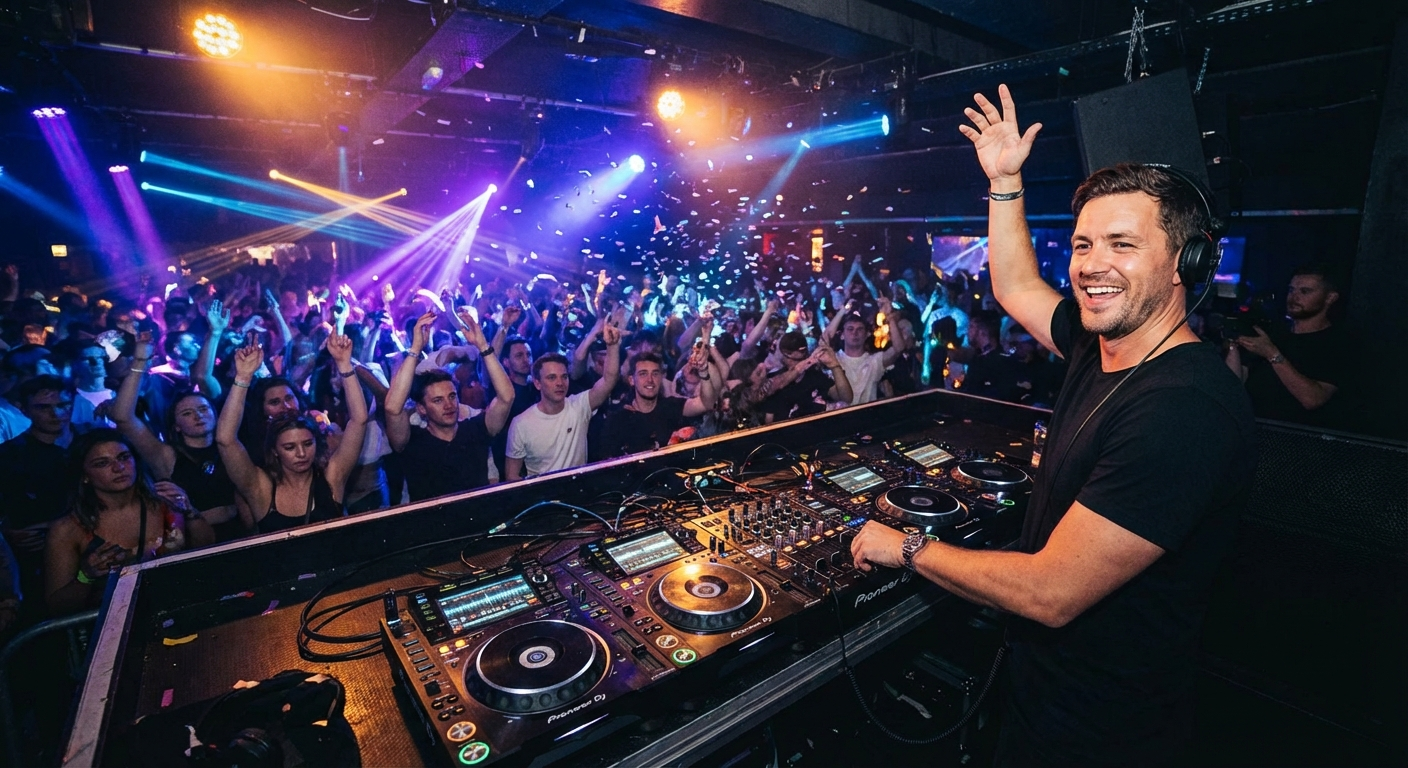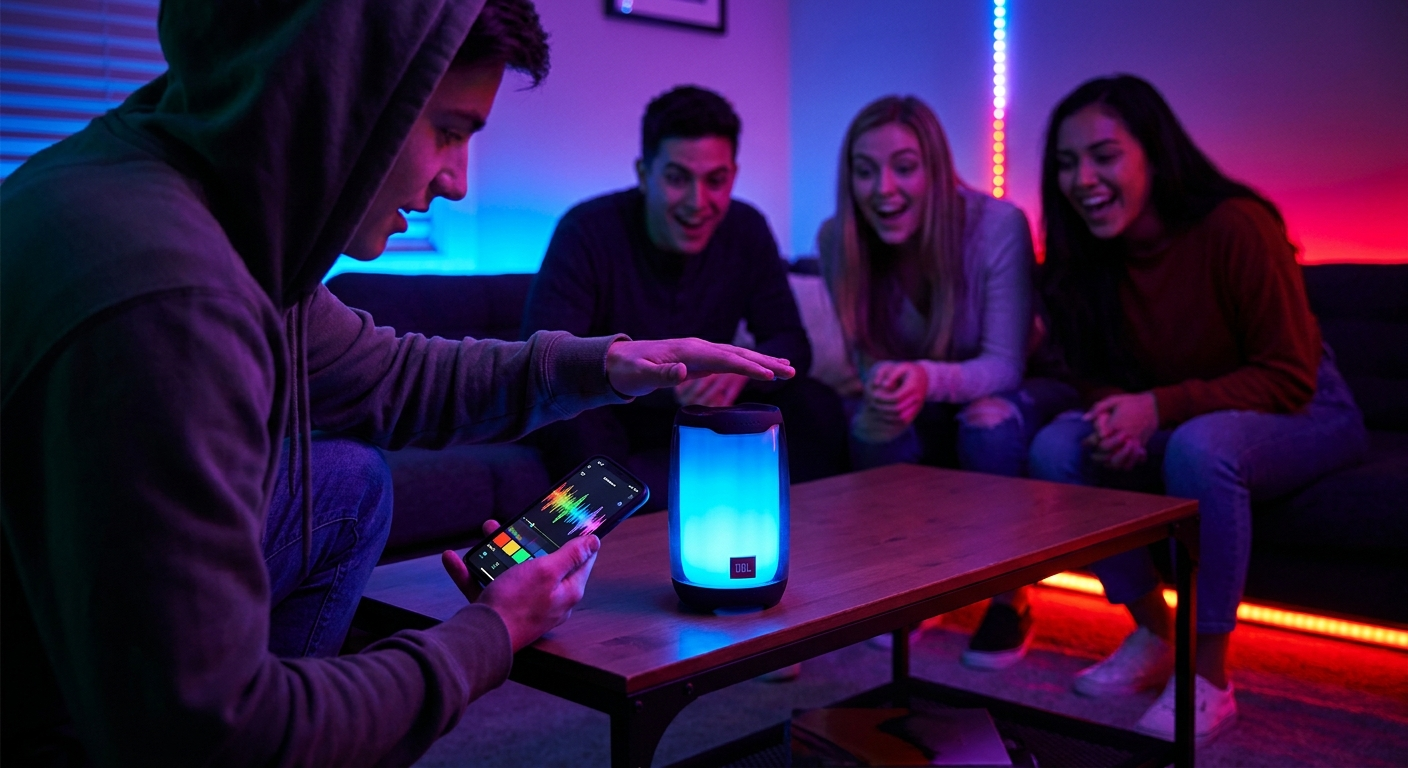
The Secret DJ Move That Transforms Any Party in 2026
You've got the speakers. You've got the snacks. You've even got a killer playlist ready to go. But something feels off. The energy dips after the first 45 minutes. Guests are chatting by the snack table instead of dancing. You're frantically skipping tracks on your phone, hoping the next one will save the vibe.
Sound familiar? You're not alone. Most people think DJing a party is just pressing play on a list of good songs. That's like thinking cooking is just opening a can of soup. The real magic happens between the tracks.
In 2026, the secret move that separates a forgettable gathering from an unforgettable party isn't expensive gear or a massive music library. It's a simple, strategic approach to how to dj a party that most amateurs completely miss. And once you learn it, you'll never host the same way again.
🎯 Key Takeaways
- The #1 mistake amateur DJs make that kills the dance floor (and how to fix it)
- How to read a room like a pro — even if you've never DJ'd before
- Why your playlist needs "energy peaks" and "valleys" (with a simple 3-step formula)
- The exact song transitions that keep guests moving all night
- How to use PartyMusicPlaylist.com to build the perfect setlist in minutes
What Most People Get Wrong About DJing a Party
Here's the hard truth: a great playlist is not the same as great DJing. You can have the best songs ever recorded, but if you play them back-to-back with no thought to energy, flow, or crowd psychology, your party will flatline.
Think about the parties you've loved. They had a rhythm. A build. A moment where the whole room seemed to move together. That's not luck. That's intentional programming.
💡 Pro Tip: The best DJs don't play songs — they play emotions. Your job isn't to show off your music taste. It's to create a shared experience that makes people feel something.
In 2026, the secret move is strategic energy mapping. Instead of throwing songs together randomly, you plan the emotional journey of the night in 15-minute blocks. Each block has a purpose: warm-up, build-up, peak, cool-down, reset. Repeat.
This approach works for any genre, any crowd size, any venue. Whether you're DJing a backyard barbecue, a wedding reception, or a corporate holiday party, energy mapping is the framework that guarantees results.
How to Read the Room Like a Professional DJ
You don't need a DJ booth or a thousand-dollar controller to read a room. You just need to watch people. Seriously. It's that simple.
Here are the three signs to look for:
Sign #1: The Foot Tap
Someone is standing near the dance floor, tapping their foot to the beat. They're not dancing yet, but they're engaged. This is your green light to keep the energy moving in the same direction.
Sign #2: The Head Nod
The head nod is stronger than the foot tap. It means the person is feeling the groove. If you see multiple head nods, you're in the sweet spot. Don't change genres abruptly.
Sign #3: The Empty Floor
This is the most obvious sign something's wrong. If the dance floor is empty for more than two songs in a row, change something immediately. Drop a tempo, switch genres, or play a guaranteed crowd-pleaser.
⚠️ Heads Up: Don't panic and throw on a random banger. That often backfires. Instead, gradually decrease the energy with a mid-tempo track or a sing-along classic. Then rebuild from there.
Reading the room is a skill you build over time. But even as a beginner, you can use PartyMusicPlaylist.com to build multiple playlists at different energy levels. That way, you're prepared for any room reaction.
The 3-Step Energy Mapping Formula
This is the secret move. Energy mapping is the process of planning your party's emotional arc before a single song plays. It's the difference between a chaotic song list and a cohesive musical journey.
Here's the formula in three simple steps:
- Divide your party into 15-minute blocks. For a 3-hour party, you have 12 blocks. Label each block: Warm-Up, Build-Up, Peak, Cool-Down, Reset.
- Assign an energy level to each block. Use a scale of 1-10. Warm-Up is 3-4. Build-Up is 5-7. Peak is 8-10. Cool-Down is 4-5. Reset brings it back to 6-7.
- Select songs that fit each energy level. Don't jump from a 3 to a 9. That's jarring. Instead, gradually climb or descend the energy ladder.
Let's look at a real example. For a 2-hour party:
- Block 1 (0-15 min): Warm-Up (Energy 3-4) — Background music, people arriving
- Block 2 (15-30 min): Build-Up (Energy 5-6) — Familiar sing-alongs, getting people comfortable
- Block 3 (30-45 min): Peak (Energy 8-9) — High-energy bangers, dance floor fills
- Block 4 (45-60 min): Cool-Down (Energy 4-5) — Slower tempo, hydration break
- Block 5 (60-75 min): Reset (Energy 6-7) — Rebuild energy with a favorite track
- Block 6 (75-90 min): Peak (Energy 9-10) — Final push, everyone dancing
- Block 7 (90-105 min): Wind-Down (Energy 3-4) — Closing songs, people start leaving
- Block 8 (105-120 min): Finale (Energy 5-6) — One last sing-along, end on a high note
This structure works because it mirrors the natural flow of human energy. We can't sustain peak excitement for hours. We need breaks. By planning those breaks intentionally, you keep the party alive longer.
Best Songs for Each Energy Level
Now let's get specific. Here are actual songs that work perfectly for each energy block.
Warm-Up Songs (Energy 3-4)
These are conversation-friendly tracks. They set the mood without demanding attention.
- "Sunflower" by Post Malone & Swae Lee — Chill, recognizable, works for all ages
- "Levitating" by Dua Lipa — Upbeat but not overwhelming
- "Watermelon Sugar" by Harry Styles — Feel-good and familiar
- "Put Your Records On" by Corinne Bailey Rae — Smooth, soulful, inviting
- "Sunday Best" by Surfaces — Positive energy without being loud
Build-Up Songs (Energy 5-7)
These tracks get people moving. The head nod turns into a shoulder shuffle.
- "Uptown Funk" by Mark Ronson ft. Bruno Mars — Instant energy boost
- "Can't Stop the Feeling!" by Justin Timberlake — Pure joy in song form
- "Shut Up and Dance" by Walk the Moon — Anthemic and danceable
- "Happy" by Pharrell Williams — Impossible to stay still
- "I Gotta Feeling" by Black Eyed Peas — Party starter classic
Editor's Top Picks for Build-Up
- "Blinding Lights" by The Weeknd — Modern classic with a driving beat
- "Dance Monkey" by Tones and I — Catchy and energetic
- "Don't Start Now" by Dua Lipa — Disco-infused dance floor filler
Peak Energy Songs (Energy 8-10)
These are the bangers. The songs that make everyone drop what they're doing and run to the dance floor.
- "Turn Down for What" by DJ Snake & Lil Jon — Maximum energy, pure aggression
- "Party Rock Anthem" by LMFAO — 2010s party staple
- "Get Low" by Lil Jon & The East Side Boyz — Classic hype track
- "Sandstorm" by Darude — Trance anthem that still works
- "Titanium" by David Guetta ft. Sia — Builds from verse to explosive chorus
Cool-Down Songs (Energy 4-5)
After a peak, give guests a breather. These tracks are slower but still engaging.
- "Thinking Out Loud" by Ed Sheeran — Romantic, slower tempo
- "All of Me" by John Legend — Emotional and beautiful
- "Just the Way You Are" by Bruno Mars — Sweet and uplifting
- "Perfect" by Ed Sheeran — Wedding favorite, works for any party
- "A Thousand Years" by Christina Perri — Timeless and emotional
How to Transition Between Energy Levels Smoothly
This is where most amateur DJs fail. They jump from a peak energy banger straight into a cool-down ballad. The result? Whiplash. Guests feel confused and disconnected.
Instead, use these three transition techniques:
Technique #1: The Tempo Slide
Gradually decrease or increase the BPM (beats per minute) over 2-3 songs. For example, from 128 BPM (peak) to 110 BPM (mid-tempo) to 90 BPM (cool-down). Each step is a small change, so the shift feels natural.
Technique #2: The Key Match
Songs in the same musical key flow together better. Most DJ software shows the key. If you're using PartyMusicPlaylist.com, you can sort your playlist by key to find compatible tracks.
Technique #3: The Vocal Fade
Play a song with a long instrumental outro. As the outro plays, slowly lower the volume. Then bring in the next track's intro at the same lower volume. This creates a seamless blend with no dead air.
💡 Pro Tip: Practice your transitions at home before the party. Even 15 minutes of practice will make you 10 times more confident when guests are watching.
Common Mistakes to Avoid When DJing a Party
Let's save you from the most common pitfalls. Avoid these, and your party will already be ahead of 90% of amateur DJs.
⚠️ Heads Up: Mistake #1 — Playing songs you love instead of songs the crowd loves. Your personal playlist doesn't matter. What matters is what gets people dancing.
⚠️ Heads Up: Mistake #2 — Leaving awkward silence between tracks. Dead air kills momentum. Always have the next song cued up and ready to go.
⚠️ Heads Up: Mistake #3 — Playing too many genres in a row. If you jump from hip-hop to country to EDM to reggaeton in 15 minutes, guests won't know what to expect. Stick to 2-3 complementary genres per energy block.
⚠️ Heads Up: Mistake #4 — Ignoring the volume. Too loud and guests can't talk. Too quiet and the energy feels flat. Find the sweet spot where music fills the room but doesn't overwhelm conversation.
⚠️ Heads Up: Mistake #5 — Not having a backup plan. Your phone dies. Your speaker cuts out. Your playlist disappears. Always have a backup device and a printed list of essential songs.
How to Build Your Party Playlist in Minutes Using PartyMusicPlaylist.com
You don't need to spend hours manually searching for songs. PartyMusicPlaylist.com was built to solve exactly this problem. Here's how to use it for your next party:
- Create a free account — No credit card needed. Just sign up and start building.
- Choose your party type — Wedding, birthday, corporate, backyard, or custom. Each template has pre-built energy blocks.
- Invite guests to request songs — Your friends can add their favorite tracks before the party. This guarantees you'll play songs people actually want to hear.
- Sort by energy level — Use the built-in energy filter to organize your playlist into warm-up, build-up, peak, and cool-down blocks.
- Export to your preferred DJ software — PartyMusicPlaylist.com integrates with Serato, Rekordbox, Virtual DJ, and more. Or just use the built-in player.
- Find a local DJ if you'd rather hire a pro — The platform also connects you with experienced DJs in your area. Sometimes the best move is to hand over the controls.
This approach saves you hours of manual song searching. Plus, because guests submit requests, you're guaranteed to play songs that resonate with your specific crowd.
Expert Tips for Specific Party Types
Different parties require different strategies. Here's how to adjust your approach for three common scenarios.
Wedding Reception DJing
Weddings are emotional roller coasters. You need to balance romantic moments with high-energy dancing. Use the cool-down blocks for slow dances and father-daughter dances. Then rebuild energy with party anthems.
- "At Last" by Etta James — Timeless first dance song
- "Marry You" by Bruno Mars — Fun and celebratory
- "Signed, Sealed, Delivered" by Stevie Wonder — Gets everyone moving
Backyard Barbecue DJing
Barbecues are chill and social. Keep energy levels moderate. Focus on sing-alongs and feel-good classics. Avoid aggressive bangers that make people feel like they need to dance.
- "Brown Eyed Girl" by Van Morrison — Ultimate sing-along
- "Sweet Caroline" by Neil Diamond — Crowd participation guaranteed
- "Three Little Birds" by Bob Marley — Relaxed and positive
Corporate Holiday Party DJing
Corporate events require professionalism. Avoid explicit lyrics and overly controversial tracks. Focus on broad-appeal hits that work for all ages and backgrounds.
- "All I Want for Christmas Is You" by Mariah Carey — Holiday staple
- "Shake It Off" by Taylor Swift — Clean, fun, and recognizable
- "I Wanna Dance with Somebody" by Whitney Houston — Timeless dance classic
The Final Secret: Know When to Step Back
The best DJs know when to let the music speak for itself. You don't need to constantly adjust, skip tracks, or talk on the mic. Once you've set the energy map and the crowd is flowing, trust the plan.
If you're feeling overwhelmed, remember this: you don't have to do it alone. Browse PartyMusicPlaylist.com's templates for pre-built playlists designed by professional DJs. Or use the platform to learn more music planning tips from experts.
Your 2026 Party DJ Checklist:
- Build your energy map (15-minute blocks with assigned levels)
- Select 3-5 songs per energy block
- Practice 2-3 transitions between blocks
- Set up backup equipment and a printed song list
- Invite guests to submit song requests via PartyMusicPlaylist.com
- Read the room — adjust if the floor stays empty
- Trust the plan and enjoy the party
Frequently Asked Questions
PartyMusicPlaylist Team
Helping you create the perfect soundtrack for life's most memorable moments. Expert tips on event music planning, DJ coordination, and playlist curation.
Learn MoreReady to Plan Your Event Music?
Create the perfect playlist for your special event. Search songs, organize your timeline, and share with your DJ.
Get Started FreeRelated Articles
Continue reading