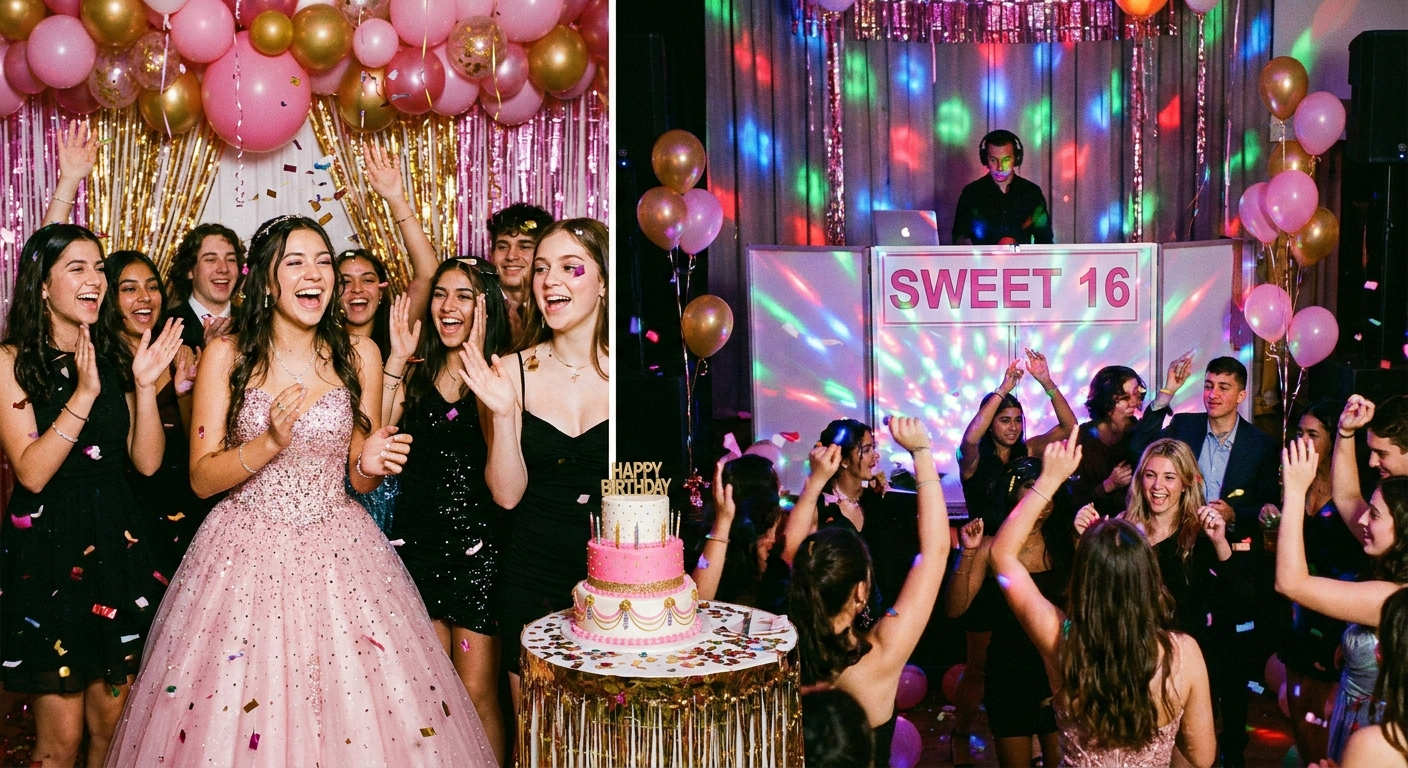
Ever been at a party where the music just doesn't quite hit the mark? The dance floor is empty, people are looking bored, and the energy is flat? That's often a sign that the DJ or playlist creator isn't reading the room. Mastering the art of reading the room and adjusting your music selection accordingly is crucial for creating unforgettable events. It's about more than just playing your favorite tunes; it's about understanding the vibe, energy, and preferences of your audience and tailoring your music selection to create the perfect atmosphere. In this guide, we'll explore how to become a master of reading the room and keeping the party alive all night long. We'll cover everything from assessing the crowd and understanding different musical tastes to practical tips for building adaptable playlists and handling requests like a pro.
🎯 Key Takeaways
- Learn how to assess the crowd's energy and adjust your music accordingly.
- Understand the importance of musical diversity and catering to different tastes.
- Discover practical tips for building adaptable playlists that can shift on the fly.
- Master the art of taking requests and incorporating them seamlessly into your set.
- Become the ultimate party host by creating unforgettable musical experiences.
What Does "Reading the Room" Really Mean for Music?
Reading the room, in the context of music, goes beyond simply observing the number of people on the dance floor. It's about actively sensing the overall mood and energy of the environment and making informed decisions about your music selection based on those observations. Are people mingling and chatting, or are they ready to dance? Is the atmosphere relaxed and mellow, or is it craving high-energy beats? These are the questions you need to be asking yourself constantly.
Think of it like this: you're a musical conductor, and the crowd is your orchestra. You need to guide them, inspire them, and create a harmonious experience that resonates with everyone. This involves paying close attention to body language, facial expressions, and even the volume of conversations. A good DJ doesn't just play music; they curate an experience.
For example, if you start with high-energy dance tracks and notice that people are mostly standing around talking, it might be time to switch to something more mellow and conducive to conversation, like some classic soul or R&B. Conversely, if you're playing background music and suddenly see people start to tap their feet and nod their heads, it's a cue to ramp up the tempo and transition into something more upbeat. The key is to be flexible and responsive to the ever-changing dynamics of the party.
Remember, the goal is to create a shared experience that everyone can enjoy. By reading the room and adjusting your song list accordingly, you can transform an ordinary gathering into an unforgettable celebration.
Assessing the Crowd: Key Factors to Consider
Before you even press play, take a moment to observe your audience. There are several key factors that will influence your music selection:
- Age Range: This is a big one. What might get 20-somethings hyped up might not work for a crowd of 50-year-olds, and vice versa. Consider the popular music from their formative years.
- Demographics: Understanding the cultural backgrounds of your guests can help you tailor your music to their tastes. Certain genres or artists might resonate more strongly with specific groups.
- Event Type: A wedding reception calls for different music than a corporate holiday party or a college graduation bash. Match the music to the occasion.
- Time of Day: Your music selection should evolve throughout the event. Start with background music during cocktails, build up to dance floor anthems later in the night, and wind down with mellow tunes as the party comes to a close.
- Initial Vibe: Pay attention to the energy levels when people first arrive. Are they energetic and ready to party, or more reserved and in the mood for conversation?
Don't be afraid to ask questions! If you're unsure about the musical preferences of your audience, strike up a conversation and get a feel for what they like. You can even circulate a simple questionnaire beforehand. Remember, it's all about making your guests feel comfortable and entertained.
💡 Pro Tip: Arrive early and observe the venue before the event officially starts. This will give you a sense of the acoustics, lighting, and overall atmosphere, which can all influence your music choices.
Building Adaptable Playlists: The Key to Success
The best way to be prepared for any situation is to create playlists that are diverse, flexible, and easily adaptable. Think of them as musical toolboxes, filled with a variety of genres, tempos, and moods that you can draw upon as needed.
Here's a breakdown of how to build adaptable playlists:
- Genre Variety: Include a wide range of genres, such as pop, rock, hip-hop, R&B, country, electronic, soul, funk, and even some international flavors.
- Tempo Range: Have songs with varying tempos, from slow and romantic ballads to high-energy dance tracks. This allows you to adjust the pace of the music to match the crowd's energy.
- Mood Spectrum: Include songs that evoke different emotions, such as happiness, nostalgia, excitement, and relaxation.
- Era Representation: Span several decades with your music, including classic hits and current chart-toppers. This helps cater to different age groups and musical tastes.
- Backup Options: Always have a few extra songs on hand in case your initial selections don't resonate with the crowd.
Tools like PartyMusicPlaylist.com can be invaluable for this. You can easily create diverse playlists, collaborate with others to gather song suggestions, and even allow guests to request songs in real-time during the event. Create Your Playlist now to start building your ultimate adaptable playlist!
Remember to organize your playlists in a way that makes it easy to find what you need quickly. Consider creating separate playlists for different genres, tempos, or moods, and then combining them as needed.
Reading Body Language: Deciphering Non-Verbal Cues
Sometimes, people won't tell you directly whether they're enjoying the music. That's where reading body language comes in. Paying attention to non-verbal cues can give you valuable insights into how your audience is feeling.
Here are some key signs to look for:
- Engaged Positive: People are dancing, smiling, singing along, tapping their feet, or nodding their heads.
- Disengaged Negative: People are sitting down, looking bored, checking their phones, or having loud conversations that drown out the music.
- Mixed Signals: Some people are enjoying the music, while others are not. This might indicate that you need to find a compromise or cater to different groups at different times.
- Sudden Shifts: A sudden drop in energy or a mass exodus from the dance floor is a clear sign that something isn't working.
- Requests/Feedback: Guests are requesting specific songs or providing verbal feedback (positive or negative).
If you notice a lot of negative cues, don't panic! It simply means it's time to make a change. Try switching genres, adjusting the tempo, or playing a crowd-pleasing classic. The key is to be responsive and adaptable.
💡 Pro Tip: Position yourself where you can easily observe the entire crowd. This will give you a better overall sense of the room's energy and help you spot subtle cues that you might otherwise miss.
Dealing with Requests: A Balancing Act
Song requests can be a blessing and a curse. On one hand, they show that people are engaged and want to participate in the musical experience. On the other hand, they can disrupt your carefully planned set and potentially throw off the vibe.
Here's how to handle requests like a pro:
- Be Polite and Approachable: Let people know that you're open to requests, but also set some ground rules.
- Filter Appropriately: Don't feel obligated to play every request. If a song doesn't fit the overall vibe or your personal style, politely decline.
- Find a Compromise: If you can't play a specific song, try to find something similar that fits the mood.
- Incorporate Strategically: Don't just throw in requests randomly. Find a way to weave them into your set in a seamless and logical way.
- Use Technology: Tools like PartyMusicPlaylist.com allow guests to submit requests through their phones, giving you a convenient way to manage the flow of suggestions.
Remember, you're the DJ or playlist curator, and it's your job to maintain the energy and flow of the party. Don't be afraid to say no to requests that don't align with your vision.
⚠️ Heads Up: Avoid promising to play a request and then forgetting about it. This can lead to disappointment and frustration. If you can't play a song right away, let the person know when you plan to incorporate it into your set.
Music Selection by Moment: Setting the Right Mood
The time of day and the specific moment within an event greatly influence the type of music that will resonate with your audience. Here’s a breakdown of some common scenarios and corresponding musical selections:
Cocktail Hour/Arrival
During cocktail hour or when guests are first arriving, you want to create a relaxed and welcoming atmosphere. Opt for mellow and sophisticated tunes that encourage conversation and mingling.
- "Come Away With Me" by Norah Jones — Smooth and jazzy, perfect for setting a relaxed tone.
- "Lovely Day" by Bill Withers — Uplifting and positive, creating a warm and inviting vibe.
- "The Girl From Ipanema" by Stan Getz & João Gilberto — Classic bossa nova that exudes sophistication.
- "What a Wonderful World" by Louis Armstrong — Timeless and heartwarming, appealing to all ages.
- "Fly Me to the Moon" by Frank Sinatra — A romantic and elegant choice for a special occasion.
Dinner Service
During dinner, the music should be subtle and unobtrusive, providing a pleasant backdrop without overpowering conversation. Instrumental versions of popular songs or classic jazz standards are great options.
- "Clair de Lune" by Claude Debussy — Elegant and calming classical piece.
- "Take Five" by The Dave Brubeck Quartet — Sophisticated jazz that's not too overpowering.
- Instrumental versions of Beatles songs — Familiar and enjoyable without being distracting.
- "Watermark" by Enya — Ethereal and atmospheric, creating a serene ambiance.
- Acoustic covers of popular songs — Relaxed and familiar, perfect for background music.
Dance Floor Anthems
When it's time to get the party started, you need high-energy dance tracks that will get people moving. Focus on popular hits, crowd-pleasing classics, and songs with infectious beats.
Can't-Miss Tracks
- "September" by Earth, Wind & Fire — Absolute party essential that always gets people dancing.
- "Uptown Funk" by Mark Ronson ft. Bruno Mars — Modern funk anthem that's impossible to resist.
- "Dancing Queen" by ABBA — Timeless disco classic that appeals to all ages.
- "Don't Stop Believin'" by Journey — Iconic singalong anthem that unites everyone.
- "I Wanna Dance with Somebody (Who Loves Me)" by Whitney Houston — High-energy pop that's perfect for the dance floor.
- "Yeah!" by Usher ft. Lil Jon & Ludacris — Crunk classic that will get everyone jumping.
Late-Night Wind Down
As the party winds down, transition to slower, more mellow tunes that encourage guests to relax and reflect on the evening. Ballads, soft rock, and acoustic songs are ideal choices.
- "Hallelujah" by Leonard Cohen — Hauntingly beautiful and emotionally resonant.
- "Wonderwall" by Oasis — Classic singalong ballad that's perfect for a nostalgic moment.
- "Let It Be" by The Beatles — Timeless and comforting, creating a sense of closure.
- "Fast Car" by Tracy Chapman — Poignant and introspective, ideal for a thoughtful end to the night.
- "Someone Like You" by Adele — Powerful and emotional ballad that resonates with everyone.
Hot Picks: Essential Songs for Any Party
Every DJ or playlist creator should have a collection of essential songs that are guaranteed to get the party started. These are the tracks that consistently deliver, regardless of the crowd or event.
Editor's Top Picks
- "Billie Jean" by Michael Jackson — Timeless classic that transcends generations and always fills the dance floor.
- "Mr. Brightside" by The Killers — Indierock anthem that ignites singalongs and dance-offs.
- "Hey Ya!" by Outkast — Funky and infectious track that's impossible not to dance to.
- "Livin' on a Prayer" by Bon Jovi — Rock anthem that unites everyone in a shared singalong.
- "Sweet Caroline" by Neil Diamond — Crowd-pleasing classic that's perfect for audience participation.
- "I Will Survive" by Gloria Gaynor — Empowering disco anthem that's resonates with everyone.
Tips for Seamless Transitions: Maintaining the Flow
Seamless transitions are crucial for maintaining the energy and flow of a party. Nothing kills the vibe faster than awkward silences or jarring shifts in tempo or genre.
Here are some tips for creating seamless transitions:
- Beatmatching: If you're DJing, learn how to beatmatch tracks so that they blend together seamlessly.
- Key Compatibility: Choose songs that are in compatible keys to avoid clashing harmonies.
- Gradual Shifts: Avoid making sudden jumps in tempo or genre. Gradually transition from one style to another.
- Use Effects: Use effects like fades, echoes, and filters to smooth out transitions and create a sense of momentum.
- Plan Ahead: Have a general idea of how you want to move from one song to the next, but be prepared to adjust based on the crowd's reaction.
💡 Pro Tip: Practice your transitions at home before the event. This will help you develop a feel for how different songs blend together and identify any potential problem areas.
Common Mistakes to Avoid: A DJ's Survival Guide
Even experienced DJs and playlist creators can make mistakes. Here are some common pitfalls to avoid:
⚠️ Heads Up: Playing songs that are too explicit or offensive for the audience. Always be mindful of the event type and the demographics of your guests.
⚠️ Heads Up: Ignoring requests entirely. While you don't have to play every request, it's important to acknowledge them and explain why you can or cannot accommodate them.
⚠️ Heads Up: Sticking to a pre-planned playlist without reading the room. Be flexible and willing to adjust your music selection based on the crowd's reaction.
⚠️ Heads Up: Playing the same genre or artist for too long. Mix things up to keep the energy levels high and cater to different tastes.
Expert Tips: Taking Your Skills to the Next Level
Becoming a master of "reading the room music" takes time, practice, and a genuine passion for music. Here are some expert tips to help you elevate your skills:
- Attend other events: Pay attention to how other DJs and playlist creators engage with the crowd and adapt their music selection.
- Expand your musical knowledge: Explore different genres, artists, and eras to broaden your repertoire.
- Get feedback: Ask friends, family, or even strangers for feedback on your music selections and transitions.
- Stay up-to-date: Keep abreast of current music trends and popular songs to stay relevant.
- Trust your instincts: Ultimately, the best way to read the room is to trust your gut and make decisions based on your own observations and intuition.
By following these tips and continuously honing your skills, you can become a true master of reading the room and creating unforgettable musical experiences for any audience. And don't forget, PartyMusicPlaylist offers features like collaborative playlists and guest requests, making it even easier to engage your audience and create the perfect soundtrack for your event. Browse Playlist Templates and get inspired!
Frequently Asked Questions
PartyMusicPlaylist Team
Helping you create the perfect soundtrack for life's most memorable moments. Expert tips on event music planning, DJ coordination, and playlist curation.
Learn MoreReady to Plan Your Event Music?
Create the perfect playlist for your special event. Search songs, organize your timeline, and share with your DJ.
Get Started FreeRelated Articles
Continue reading