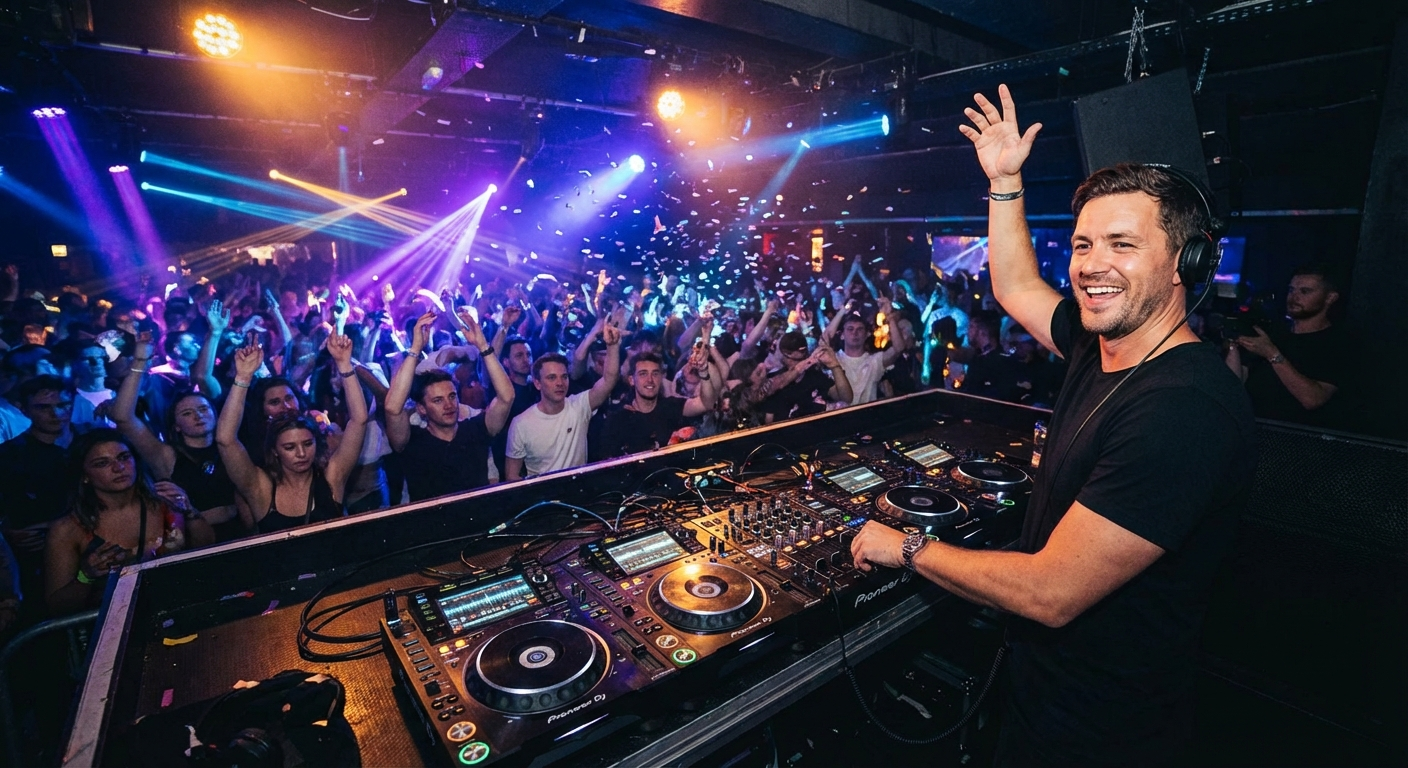
Ever been at a party where the music just… didn't quite hit the mark? Maybe it started strong, but then the energy fizzled out? That's often due to poor playlist pacing. It's the secret sauce that separates a good playlist from an unforgettable one. As a DJ or party host, understanding how to craft a playlist that ebbs and flows with the mood of your event is crucial. In this guide, we'll explore the art of playlist pacing, providing you with the tools and techniques to keep your dance floor packed and your guests energized all night long. Let's dive in and unlock the secrets to creating playlists that truly resonate!
🎯 Key Takeaways
- Playlist pacing is the art of arranging songs to control the energy and mood of an event.
- Varying tempo, genre, and energy levels creates a dynamic and engaging listening experience.
- Understanding your audience and the type of event is crucial for effective playlist pacing.
- Use transitions, build-ups, and breakdowns to seamlessly move between different musical styles.
- Regularly update your playlist based on audience feedback to keep the energy high.
What Exactly is Playlist Pacing, and Why Does it Matter?
Playlist pacing is the strategic arrangement of songs within a playlist to create a desired emotional or energetic arc. Think of it like telling a story with music. Just as a good story has rising action, a climax, and a resolution, a well-paced playlist guides listeners through a series of emotional peaks and valleys. It's not just about throwing together a bunch of your favorite songs; it's about curating an experience.
Why does it matter? Because music is powerful. It can evoke memories, stir emotions, and influence behavior. A poorly paced playlist can kill the vibe of a party, leaving guests bored or restless. A well-paced playlist, on the other hand, can create an electric atmosphere, keeping people engaged and energized for hours. It’s the difference between a forgettable gathering and a legendary night.
Consider a wedding reception. You wouldn't start with heavy metal, would you? You'd likely begin with softer, more romantic tunes during dinner, gradually building up to more upbeat dance tracks as the night progresses. This deliberate sequencing is all about playlist pacing. It's about understanding the flow of the event and matching the music to the mood.
Think about the last time you were at a concert or a club. The DJ didn't just play random songs. They carefully selected each track to build momentum, create anticipation, and keep the crowd moving. That’s the power of expert playlist pacing in action.
💡 Pro Tip: Don't be afraid to experiment! Playlist pacing isn't an exact science. What works for one crowd might not work for another. Pay attention to your audience's reactions and adjust your playlist accordingly. Always be ready to adapt on the fly.
Understanding Tempo, Genre, and Energy Levels
The three key elements of playlist pacing are tempo, genre, and energy levels. Understanding how these elements interact is essential for creating a dynamic and engaging playlist.
Tempo refers to the speed of a song, measured in beats per minute (BPM). A faster tempo generally equates to higher energy, while a slower tempo is more relaxed. Varying the tempo throughout your playlist helps to maintain interest and prevent listener fatigue.
Genre plays a crucial role in setting the mood. A playlist that jumps randomly between genres can feel disjointed and jarring. While it's perfectly acceptable (and often desirable) to incorporate multiple genres, it's important to do so thoughtfully and strategically. Genre transitions should feel natural and organic, not abrupt.
Energy level is a more subjective measure that combines tempo, instrumentation, and musical intensity. A high-energy song is typically fast-paced, loud, and emotionally charged. A low-energy song is slower, quieter, and more subdued. A well-paced playlist alternates between high-energy and low-energy tracks to create a balanced and engaging listening experience. It's about creating peaks and valleys, moments of intense excitement followed by periods of relative calm.
For example, you might start a dance set with some mid-tempo house tracks (around 120 BPM) to warm up the crowd. As the night progresses, you could gradually increase the tempo and introduce more high-energy EDM anthems (128-135 BPM). Then, towards the end of the night, you might bring the energy down with some chill-out tracks or classic rock anthems to wind things down.
Here are some examples of songs with varying tempos and genres:
- "September" by Earth, Wind & Fire — Upbeat disco classic (126 BPM)
- "Dancing Queen" by ABBA — Timeless pop anthem (101 BPM)
- "Get Lucky" by Daft Punk ft. Pharrell Williams — Funky dance track (116 BPM)
- "Billie Jean" by Michael Jackson — Iconic pop song (117 BPM)
- "Wonderwall" by Oasis — Popular alternative rock song (93 BPM)
Step-by-Step: Crafting Your Playlist's Arc
Now that you understand the key elements of playlist pacing, let's look at a step-by-step process for creating a playlist with a compelling arc.
- Define Your Event: What kind of event are you planning? A wedding, a birthday party, a corporate event, or just a casual get-together? The type of event will heavily influence your music selection and pacing.
- Know Your Audience: Who will be attending your event? What are their musical tastes? Consider the age range, cultural background, and overall preferences of your guests. If you're unsure, don't be afraid to ask for suggestions or take a poll beforehand.
- Outline the Night: Break down the event into distinct phases or moments. For example, a wedding might include cocktail hour, dinner, speeches, first dance, and open dance floor. Each phase will require a different musical style and energy level.
- Build Your Foundation: Start by selecting a few key songs that you know will be crowd-pleasers. These songs will serve as anchors around which you can build the rest of your playlist.
- Create the Flow: Arrange your songs in a sequence that creates a natural flow. Start with lower-energy tracks and gradually build up to higher-energy anthems. Use transitions and segues to seamlessly blend different songs and genres.
- Test and Refine: Once you've created your initial playlist, test it out! Listen to it from beginning to end and see how it feels. Are there any awkward transitions or lulls in the energy? Make adjustments as needed.
- Get Feedback: Share your playlist with a few trusted friends or family members and ask for their feedback. Do they think the pacing is effective? Are there any songs they would add or remove?
- Be Flexible: Even with the best planning, things don't always go as expected. Be prepared to adjust your playlist on the fly based on the reactions of your audience. If a particular song isn't working, don't be afraid to skip it and move on to something else.
📝 Note: Want to make your playlist interactive and get song requests from your guests? Check out PartyMusicPlaylist, our free online event playlist creator! It's the perfect tool for collaborative music curation.
Transitions: The Secret to Seamless Playlist Flow
Transitions are the glue that holds a playlist together. They're the techniques DJs use to seamlessly blend different songs and genres, creating a smooth and cohesive listening experience. A good transition should be almost imperceptible, making it feel like one song naturally flows into the next.
There are several different types of transitions you can use:
- Beatmatching: Aligning the tempos of two songs so that their beats match up perfectly. This is a common technique in electronic music and hip-hop.
- Keymatching: Selecting songs that are in compatible keys. This helps to avoid harmonic clashes and creates a more pleasing listening experience.
- Fading: Gradually decreasing the volume of one song while simultaneously increasing the volume of the next. This is a simple and effective technique that works well for most genres.
- Echoing: Adding an echo effect to the end of one song to create a smooth transition into the next.
- Sampling: Using a short sample from one song as an intro or outro to another.
Mastering transitions takes practice, but it's well worth the effort. A well-executed transition can elevate your playlist from amateur to professional. There are numerous DJ software options and online tutorials available to help you learn these techniques.
Here's a simple example of a fade transition:
- Select two songs that have a similar tempo and energy level.
- Start playing the first song.
- As the first song approaches its end, begin fading it out.
- Simultaneously, begin fading in the second song.
- Adjust the volume levels so that the transition is smooth and seamless.
⚠️ Heads Up: Avoid abrupt cuts or jarring transitions. These can disrupt the flow of your playlist and throw off the energy of the room. Always strive for smooth and seamless transitions.
Song Selection: Matching Music to the Moment
Effective playlist pacing relies heavily on selecting the right songs for the right moment. Here are some song suggestions for different phases of an event:
Cocktail Hour/Dinner Music
During cocktail hour or dinner, you want to create a relaxed and sophisticated atmosphere. Choose songs that are mellow, melodic, and easy to listen to. Avoid anything too upbeat or distracting.
- "At Last" by Etta James — Timeless classic for a romantic ambiance.
- "Come Away With Me" by Norah Jones — Smooth and soulful.
- "The Way You Look Tonight" by Frank Sinatra — Elegant and timeless.
- "What a Wonderful World" by Louis Armstrong — Uplifting and heartwarming.
- "Better Together" by Jack Johnson — Laid-back and feel-good.
First Dance Songs
The first dance is a special moment that deserves a special song. Choose a song that is meaningful to the couple and reflects their love story. It should be romantic, heartfelt, and memorable.
- "Thinking Out Loud" by Ed Sheeran — Modern classic with heartfelt lyrics.
- "A Thousand Years" by Christina Perri — Epic and romantic.
- "Can't Help Falling in Love" by Elvis Presley — Timeless love song.
- "All of Me" by John Legend — Soulful and emotional.
- "You Are the Best Thing" by Ray LaMontagne — Rustic and charming.
Dance Floor Anthems
When it's time to hit the dance floor, you need songs that are high-energy, upbeat, and irresistible. Choose tracks that are guaranteed to get people moving and grooving.
Can't-Miss Dance Floor Fillers
- "Uptown Funk" by Mark Ronson ft. Bruno Mars — Guaranteed to get everyone on their feet.
- "Don't Stop Believin'" by Journey — A classic rock anthem that everyone knows and loves.
- "I Wanna Dance with Somebody (Who Loves Me)" by Whitney Houston — Iconic and infectious.
- "September" by Earth, Wind & Fire — Timeless disco classic.
- "Yeah!" by Usher ft. Lil Jon & Ludacris — High-energy hip-hop anthem.
- "Dancing Queen" by ABBA — Timeless pop anthem that transcends generations.
- "Billie Jean" by Michael Jackson — Iconic and instantly recognizable.
- "Sweet Caroline" by Neil Diamond — Crowd-pleasing singalong.
- "Livin' on a Prayer" by Bon Jovi — Classic rock anthem that never gets old.
- "Mr. Brightside" by The Killers — Indie rock staple with infectious energy.
💡 Pro Tip: When building your dance floor set, consider using a "peak and valley" approach. Alternate between high-energy bangers and slightly more relaxed grooves to keep the energy levels dynamic and prevent listener fatigue. This helps to maintain interest and ensure that people stay on the dance floor longer.
Building Anticipation: The Power of the Buildup
One of the most effective techniques for playlist pacing is the buildup. A buildup is a gradual increase in energy and intensity that creates anticipation and excitement. It's like slowly cranking up the volume on a song, building to a satisfying crescendo.
There are several ways to create a buildup in your playlist:
- Gradually increase the tempo: Start with slower songs and gradually increase the BPM as you progress.
- Add layers of instrumentation: Start with simple arrangements and gradually add more instruments and effects.
- Use vocal samples and hooks: Tease the audience with snippets of familiar vocals or hooks before dropping the full song.
- Create tension and release: Build tension with repetitive rhythms and dissonant harmonies, then release it with a satisfying drop or chorus.
A classic example of a buildup is the intro to "Levels" by Avicii. The song starts with a simple melody and gradually adds layers of instrumentation and vocal samples, building to an explosive drop.
Another example is the way a DJ might introduce a popular song. Instead of just playing the song from the beginning, they might start with a stripped-down instrumental version or a remix that builds anticipation before dropping the full version.
📝 Note: PartyMusicPlaylist offers pre-made playlist templates with expertly crafted buildups and transitions to help you get started!
Knowing Your Crowd: Tailoring the Music to Your Audience
No matter how technically proficient you are at playlist pacing, it won't matter if you don't know your audience. Understanding their musical tastes, preferences, and expectations is crucial for creating a playlist that resonates.
Here are some factors to consider when tailoring your music to your audience:
- Age range: Younger audiences tend to prefer more contemporary music, while older audiences may prefer classic hits.
- Cultural background: Be sensitive to the cultural background of your audience and incorporate music that reflects their heritage.
- Event type: A wedding requires a different musical style than a corporate event or a club night.
- Personal preferences: If possible, ask your audience for song requests or take a poll to gauge their musical tastes.
If you're playing for a diverse audience, try to incorporate a variety of genres and styles to appeal to different tastes. Don't be afraid to experiment, but always be mindful of the overall mood and energy of the event.
Remember, the goal is to create a shared experience that everyone can enjoy. By taking the time to understand your audience, you can create a playlist that truly resonates and makes your event unforgettable.
Common Playlist Pacing Mistakes (and How to Avoid Them)
Even experienced DJs can fall victim to common playlist pacing mistakes. Here are some pitfalls to avoid:
⚠️ Heads Up: Playing too many songs from the same genre in a row. This can lead to listener fatigue and make your playlist feel monotonous. Mix things up by incorporating different genres and styles.
⚠️ Heads Up: Failing to read the room. Even if you've carefully planned your playlist, it's important to pay attention to the reactions of your audience. If a particular song isn't working, don't be afraid to skip it and move on to something else.
⚠️ Heads Up: Ignoring tempo changes. Sudden and drastic changes in tempo can be jarring and disrupt the flow of your playlist. Use gradual transitions to smoothly move between different tempos.
⚠️ Heads Up: Overlooking the importance of transitions. Abrupt cuts or sloppy transitions can ruin the flow of your playlist. Take the time to master different transition techniques.
⚠️ Heads Up: Not knowing your audience. Playing the wrong music for the wrong crowd is a surefire way to kill the vibe of your event. Take the time to understand your audience's musical tastes and preferences.
Advanced Techniques: Pro DJ Tips for Ultimate Pacing
Ready to take your playlist pacing skills to the next level? Here are some advanced techniques used by professional DJs:
Consider using harmonic mixing. This involves selecting songs that are in compatible keys, creating a more pleasing and harmonious listening experience. There are software tools available that can help you identify the key of a song.
- Use acapellas: Layering acapellas (vocal-only tracks) over instrumental versions of other songs can create unique and unexpected mashups.
- Incorporate live mixing: If you're comfortable with DJing software, consider incorporating live mixing techniques such as looping, scratching, and effects.
- Create custom edits and remixes: Editing existing songs or creating your own remixes can add a personal touch to your playlist and make it stand out from the crowd.
- Use DJ drops: DJ drops are short vocal samples or sound effects that DJs use to add personality to their sets.
These techniques require practice and skill, but they can elevate your playlist from good to great. Don't be afraid to experiment and find what works best for you.
Ultimately, effective playlist pacing is about more than just playing the right songs. It's about creating an experience, telling a story, and connecting with your audience on an emotional level. With practice and dedication, you can master the art of playlist pacing and become a true music curator.
Frequently Asked Questions
PartyMusicPlaylist Team
Helping you create the perfect soundtrack for life's most memorable moments. Expert tips on event music planning, DJ coordination, and playlist curation.
Learn MoreReady to Plan Your Event Music?
Create the perfect playlist for your special event. Search songs, organize your timeline, and share with your DJ.
Get Started FreeRelated Articles
Continue reading