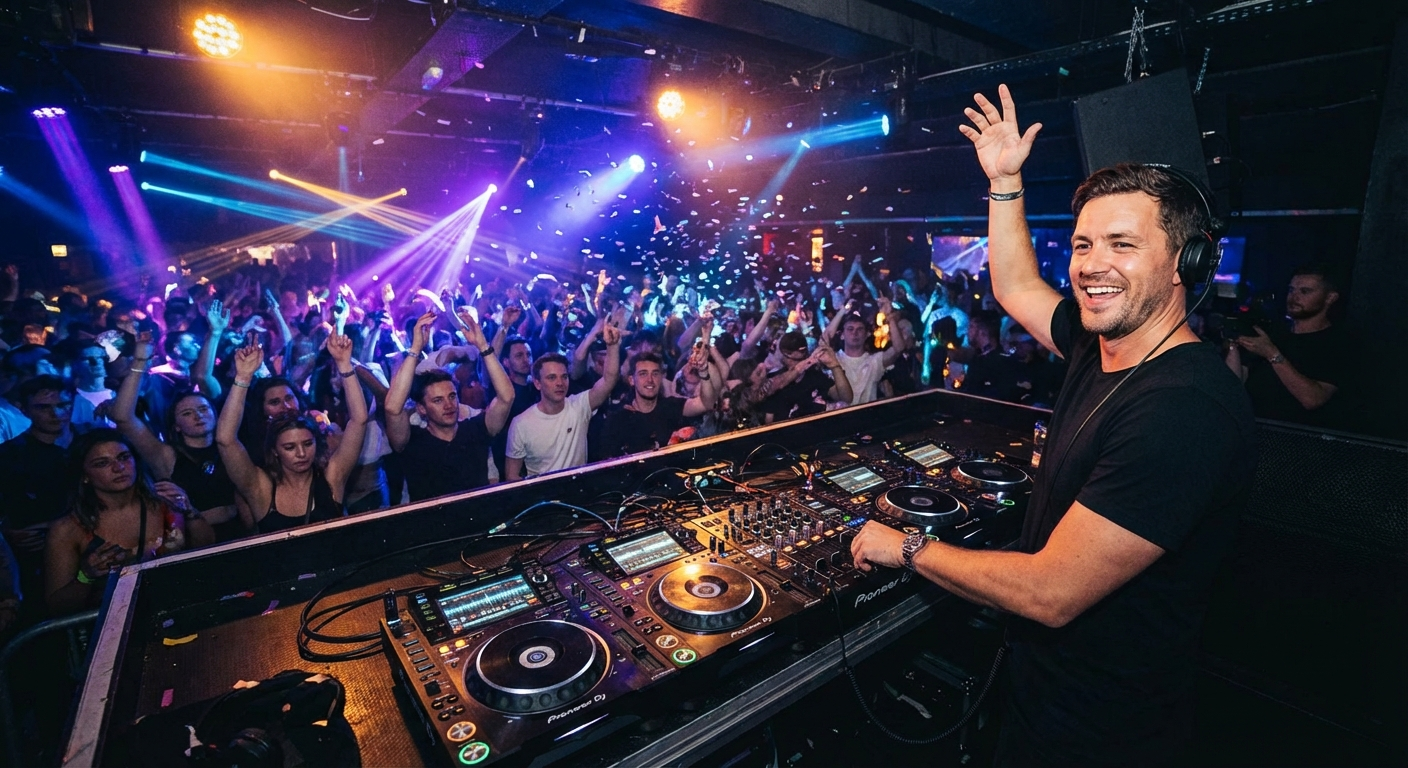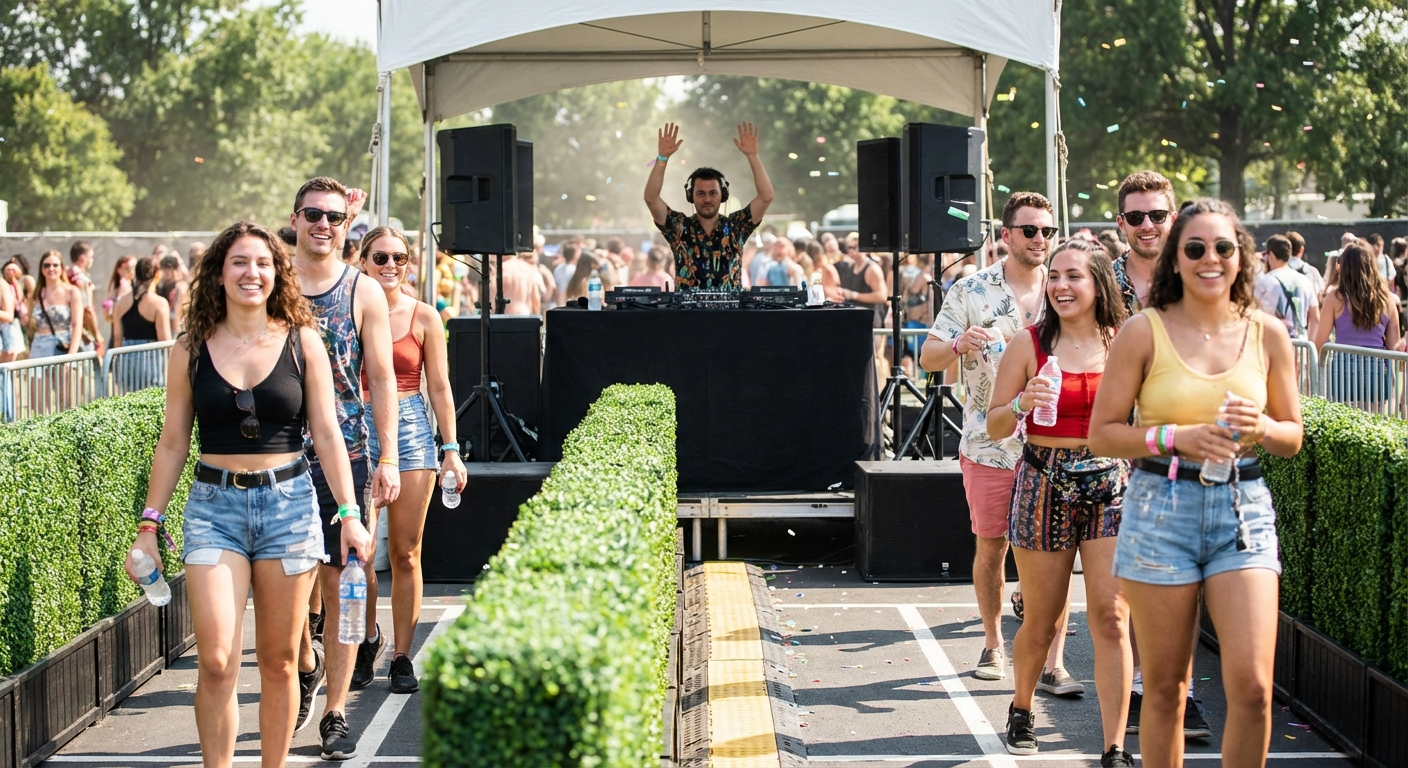
Have you ever been to a party where the music just… didn't quite hit right? Maybe it started strong, but then fizzled out, or perhaps it was all over the place with no real flow. Chances are, the culprit wasn't the song selection itself, but the playlist pacing. Mastering the art of playlist pacing is the secret weapon of every great DJ and party host. It's about curating a musical journey that keeps your audience engaged, energized, and wanting more. In this guide, we'll reveal surprising playlist pacing secrets that will transform your events from mediocre to unforgettable.
🎯 Key Takeaways
- Understand the Energy Curve: Learn how to map out the energy levels of your playlist to avoid lulls and peaks at the wrong moments.
- Tempo is Key: Discover how to strategically use tempo changes to influence the mood and keep people dancing.
- Genre Blending Done Right: Master the art of seamlessly transitioning between genres to add variety without disrupting the flow.
- Read the Crowd: Develop the ability to adjust your playlist pacing on the fly based on the audience's reaction.
- Utilize Playlist Tools: Leverage tools like PartyMusicPlaylist to easily create, manage, and pace your playlists.
What Exactly is Playlist Pacing, and Why Does it Matter?
Playlist pacing is the art of strategically arranging songs in a playlist to create a desired emotional and physical response in the listener. It's more than just throwing a bunch of popular songs together; it's about crafting a musical narrative with a clear beginning, middle, and end. Think of it like a roller coaster – you want some slow climbs, some exhilarating drops, and a smooth ride overall. A well-paced playlist keeps the energy consistent, prevents listener fatigue, and ensures that your event flows smoothly. But why is this so critical?
Imagine a wedding reception where the DJ blasts high-energy dance anthems during dinner. The guests would likely feel overwhelmed and unable to converse. Conversely, playing slow ballads during the peak dancing hours would kill the vibe and empty the dance floor. The right playlist pacing ensures that the music matches the mood and activity level of each moment. By carefully considering the tempo, genre, and emotional content of each song, you can create a playlist that perfectly complements your event.
A strong understanding of playlist pacing can elevate any event. With a well-paced playlist, you control the energy in the room. With tools like PartyMusicPlaylist, you can create the perfect soundtrack for any event. So, let's dive into the secrets that will help you master this art.
The Energy Curve: Mapping Your Musical Journey
One of the most crucial elements of playlist pacing is understanding the "energy curve." This refers to the overall arc of energy throughout your playlist. A typical energy curve starts with lower energy songs to warm up the crowd, gradually builds to a peak during the main part of the event, and then gently tapers off towards the end. Visualizing this curve can help you strategically place songs to create the desired effect.
Think about a typical party scenario. You wouldn't want to start with the most intense, high-energy tracks right away. Instead, begin with more mellow tunes that encourage conversation and mingling. As the night progresses, gradually increase the tempo and intensity to get people on their feet. Finally, as the event winds down, transition back to slower, more relaxed songs to signal the end of the night.
Here's a simple example of an energy curve for a 4-hour dance party:
- Hour 1 (Warm-up): Mellow house, R&B, or classic soul (100-115 BPM)
- Hour 2 (Building Energy): Upbeat pop, funk, or disco (115-125 BPM)
- Hour 3 (Peak Energy): High-energy dance, EDM, or hip-hop (125-140 BPM)
- Hour 4 (Wind-down): Slower R&B, acoustic, or chillwave (90-110 BPM)
Of course, this is just a general guideline. You can adjust the energy curve to fit the specific needs of your event. The key is to be intentional about the flow of your playlist and to avoid sudden, jarring shifts in energy.
💡 Pro Tip: Use a spreadsheet or a visual tool to map out your energy curve. Assign each song a numeric value representing its energy level (e.g., 1-10) and then plot these values on a graph. This will help you identify any potential dips or spikes in energy and adjust your playlist accordingly.
Tempo is King: Controlling the Mood with BPM
Tempo, measured in beats per minute (BPM), is a critical factor in playlist pacing. It directly influences the mood and energy of your playlist. Faster tempos tend to energize and invigorate listeners, while slower tempos create a more relaxed and mellow atmosphere. By strategically varying the tempo of your songs, you can control the emotional landscape of your event.
Generally speaking, a tempo of 120-130 BPM is ideal for dancing. This range is energetic enough to get people moving, but not so fast that it becomes overwhelming. However, it's important to vary the tempo within this range to keep things interesting. You can also incorporate slower songs (around 90-110 BPM) for breaks or to create a more intimate atmosphere.
Here are some examples of songs with different tempos and their corresponding moods:
- "Happy" by Pharrell Williams (160 BPM) — Upbeat, joyful, and infectious – perfect for creating a positive atmosphere.
- "Uptown Funk" by Mark Ronson ft. Bruno Mars (115 BPM) — Funky, groovy, and danceable – great for getting people on their feet.
- "Thinking Out Loud" by Ed Sheeran (79 BPM) — Romantic, intimate, and heartfelt – ideal for slow dancing or creating a cozy atmosphere.
When pacing your playlist, pay attention to the transitions between songs with different tempos. Avoid sudden jumps from very slow to very fast tempos, as this can be jarring and disrupt the flow. Instead, gradually increase or decrease the tempo over several songs. You can also use transition techniques like beatmatching or mixing to create seamless transitions between songs with different BPMs.
Genre Blending: Adding Variety Without the Chaos
Introducing diverse genres can keep your playlist fresh and engaging. However, haphazardly mixing genres can create a disjointed and confusing listening experience. Successful genre blending relies on thoughtful song selection and smooth transitions that maintain a cohesive flow. Here are some tips for seamlessly integrating different genres into your playlist:
- Find Common Ground: Look for songs that share similar elements, such as tempo, key, or instrumentation. For example, you might transition from a pop song with a funky bassline to a funk song with a similar groove.
- Use Transition Songs: Incorporate songs that bridge the gap between two genres. These songs might blend elements of both genres or have a tempo and energy level that fall in between.
- Create Genre Blocks: Rather than constantly switching between genres, group songs of the same genre together in blocks. This allows listeners to fully immerse themselves in each genre before moving on to the next.
- Consider the Mood: Choose genres that complement each other in terms of mood and energy. For example, you might pair upbeat pop with funky disco or mellow R&B with soulful jazz.
Here's an example of a genre blending sequence:
- Pop: "Don't Start Now" by Dua Lipa
- Funk-Pop Transition: "Treasure" by Bruno Mars
- Funk: "September" by Earth, Wind & Fire
- Disco-Funk Transition: "Stayin' Alive" by Bee Gees
- Disco: "I Will Survive" by Gloria Gaynor
By carefully selecting songs and using smooth transitions, you can create a playlist that seamlessly blends different genres while maintaining a consistent flow of energy.
Reading the Crowd: Adapting to the Vibe in Real-Time
No matter how meticulously you plan your playlist, there's always a chance that it won't resonate with the crowd. That's why it's crucial to be able to read the crowd and adapt your playlist in real-time. Pay attention to the audience's reaction to each song. Are people dancing and singing along? Or are they standing around looking bored? If the crowd isn't feeling the music, don't be afraid to switch gears.
Here are some signs that your playlist needs adjusting:
- Empty dance floor
- Lack of energy or enthusiasm
- People requesting different types of music
- General disinterest or boredom
If you notice any of these signs, try the following:
- Change the Genre: Try switching to a different genre that might be more appealing to the crowd.
- Adjust the Tempo: Increase the tempo to energize the dance floor or decrease it to create a more relaxed atmosphere.
- Play a Crowd-Pleaser: Throw in a well-known, universally liked song to get people engaged.
- Take Requests: Ask the audience what they want to hear and incorporate their suggestions into your playlist.
Being able to read the crowd and adapt your playlist on the fly is a skill that takes practice and experience. The more you DJ or host events, the better you'll become at anticipating the audience's needs and adjusting your music accordingly.
⚠️ Heads Up: Don't be afraid to deviate from your planned playlist. Your goal is to create a great experience for the audience, even if it means throwing out your original plan.
Essential Songs for Every Playlist: The Must-Haves
Certain songs are almost guaranteed to get people moving and create a positive atmosphere. These "must-have" tracks are essential for any well-paced playlist. Here are some examples of songs that consistently deliver:
Can't-Miss Tracks
- "Uptown Funk" by Mark Ronson ft. Bruno Mars — An absolute party essential; guaranteed to fill the dance floor.
- "September" by Earth, Wind & Fire — Timeless classic that appeals to all ages and gets everyone grooving.
- "Dancing Queen" by ABBA — Irresistibly catchy and universally loved; a surefire crowd-pleaser.
- "I Wanna Dance with Somebody (Who Loves Me)" by Whitney Houston — High-energy anthem that inspires sing-alongs and dance-offs.
- "Don't Stop Me Now" by Queen — Pure energy and joy; perfect for creating a euphoric moment.
- "Mr. Brightside" by The Killers — Indie rock anthem that everyone knows and loves.
- "Hey Ya!" by Outkast — Funky, infectious, and impossible not to dance to.
These songs are just a starting point. The specific "must-have" tracks for your playlist will depend on the genre of music you're playing and the preferences of your audience. However, having a selection of reliable crowd-pleasers on hand is always a good idea.
Setting the Mood: Songs for Different Moments
Different parts of an event call for different kinds of music. Knowing which songs to play at specific moments is key to excellent playlist pacing. Here are some song suggestions for various scenarios:
Cocktail Hour/Dinner Music:
- "At Last" by Etta James — Classic and romantic; creates an elegant atmosphere.
- "Come Away With Me" by Norah Jones — Mellow and sophisticated; perfect for conversation.
- "Fly Me to the Moon" by Frank Sinatra — Timeless and charming; adds a touch of class.
- "What a Wonderful World" by Louis Armstrong — Uplifting and heartwarming; sets a positive tone.
- "The Look of Love" by Dusty Springfield — Smooth and sensual; creates a romantic vibe.
Dance Floor Anthems:
- "Yeah!" by Usher ft. Lil Jon & Ludacris — High-energy hip-hop that gets the party started.
- "Get Lucky" by Daft Punk ft. Pharrell Williams & Nile Rodgers — Funky and irresistible; guaranteed to fill the dance floor.
- "Sweet Caroline" by Neil Diamond — Classic sing-along anthem that everyone knows and loves.
- "Livin' on a Prayer" by Bon Jovi — Rock anthem that inspires fist-pumping and head-banging.
- "September" by Earth, Wind & Fire — Timeless groove that transcends generations.
Wind-Down Songs:
- "Hallelujah" by Leonard Cohen — Haunting and beautiful; creates a reflective mood.
- "Landslide" by Fleetwood Mac — Nostalgic and comforting; perfect for saying goodbye.
- "Fast Car" by Tracy Chapman — Soulful and poignant; evokes a sense of longing.
- "Wonderwall" by Oasis — Classic sing-along that brings everyone together.
- "Let It Be" by The Beatles — Hopeful and uplifting; a perfect ending to the night.
By having a selection of songs for different moments, you can create a playlist that seamlessly transitions from one mood to another and keeps the audience engaged throughout the event.
Using Playlist Tools for Seamless Pacing
Creating and managing a well-paced playlist can be time-consuming and challenging, especially if you're doing it manually. Fortunately, many playlist tools are available to help you streamline the process. Here at PartyMusicPlaylist, we offer a free and easy-to-use platform for creating and sharing playlists. Here are some of the ways that PartyMusicPlaylist (and similar tools) can help you with playlist pacing:
- BPM Detection: Automatically detect the BPM of each song in your library, making it easier to organize your playlist by tempo.
- Playlist Organization: Create and manage multiple playlists for different events or moods.
- Collaboration: Share your playlist with others and allow them to add their own song suggestions.
- DJ Export: Export your playlist in a format that can be easily imported into DJ software.
- Guest Requests: Allow guests to request songs in real-time and easily incorporate their suggestions into your playlist.
By leveraging the power of playlist tools, you can save time and effort while creating a perfectly paced playlist that will impress your audience.
Common Playlist Pacing Mistakes (and How to Avoid Them)
Even with the best intentions, it's easy to make mistakes when pacing your playlist. Here are some common pitfalls to avoid:
⚠️ Heads Up: Starting too strong. Avoid opening with your biggest bangers. Start with more mellow tunes and gradually build up the energy.
⚠️ Heads Up: Playing too many songs from the same artist in a row. This can become repetitive and boring for the audience. Mix it up by playing songs from different artists and genres.
⚠️ Heads Up: Ignoring the audience's reaction. Pay attention to the crowd's response to each song and adjust your playlist accordingly. If people aren't feeling the music, don't be afraid to switch gears.
⚠️ Heads Up: Failing to create a proper wind-down. Ending the night with high-energy dance anthems will leave people feeling wired and restless. Transition to slower, more relaxed songs to signal the end of the night.
By being aware of these common mistakes, you can avoid them and create a playlist that is both engaging and enjoyable for your audience.
Expert Playlist Pacing Tips and Tricks
Ready to take your playlist pacing skills to the next level? Here are some expert tips and tricks to help you create truly unforgettable musical journeys:
Consider incorporating a "theme" into your playlist. This could be a specific genre, era, or artist. Building your playlist around a theme can create a cohesive and engaging listening experience.
- Use Intro/Outro Beats: Find instrumental beats or acapella intros/outros to smoothly transition between songs.
- Key Mixing: Explore mixing songs that are in compatible musical keys for a harmonious blend.
- Create Mini-Mixes: Blend 2-3 songs together seamlessly for dynamic energy bursts.
- Vocal Contrast: Alternate between male and female vocalists to add variety to the listening experience.
💡 Pro Tip: Practice makes perfect. Experiment with different pacing techniques and pay attention to the audience's reaction. The more you practice, the better you'll become at creating playlists that resonate with your audience. Also, don't underestimate the power of silence. Strategic pauses can create anticipation and build excitement.
Frequently Asked Questions
PartyMusicPlaylist Team
Helping you create the perfect soundtrack for life's most memorable moments. Expert tips on event music planning, DJ coordination, and playlist curation.
Learn MoreReady to Plan Your Event Music?
Create the perfect playlist for your special event. Search songs, organize your timeline, and share with your DJ.
Get Started FreeRelated Articles
Continue reading