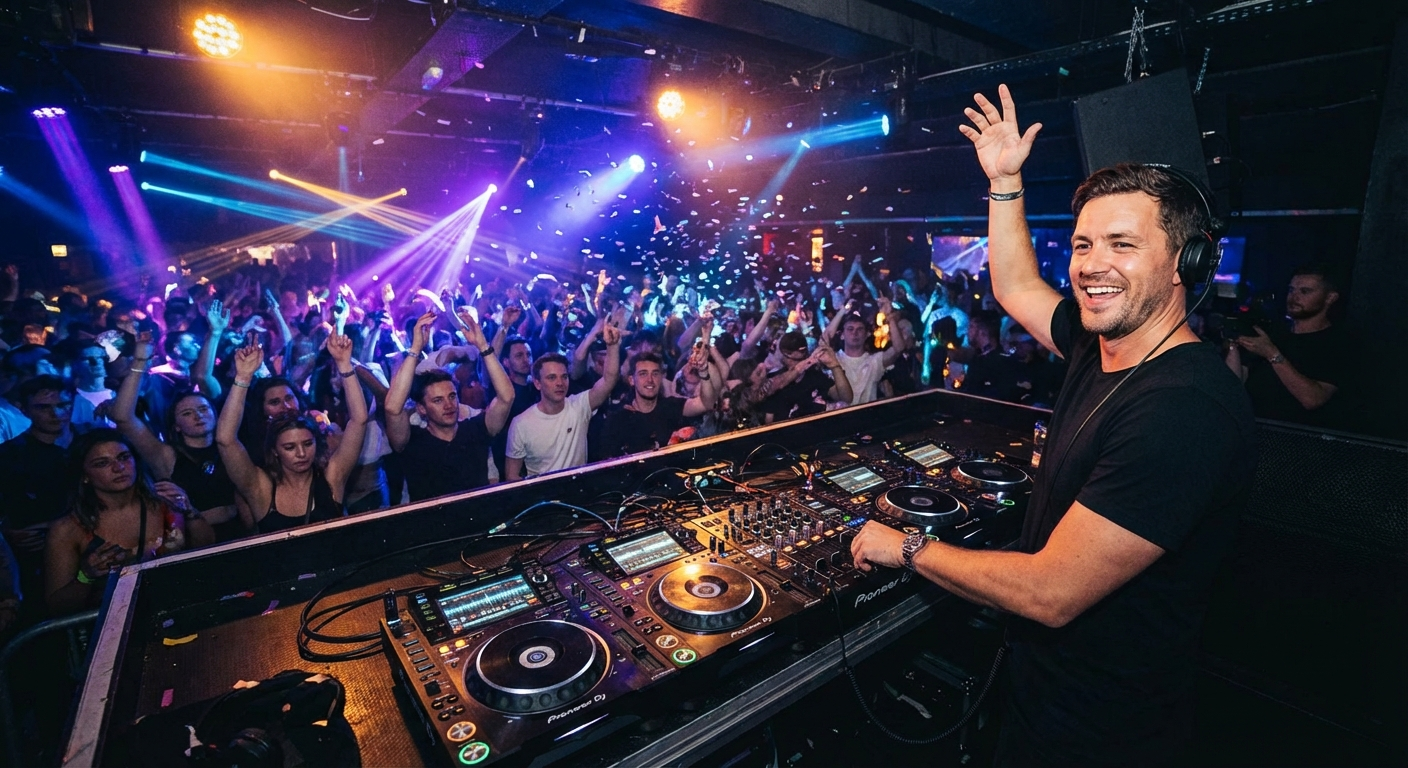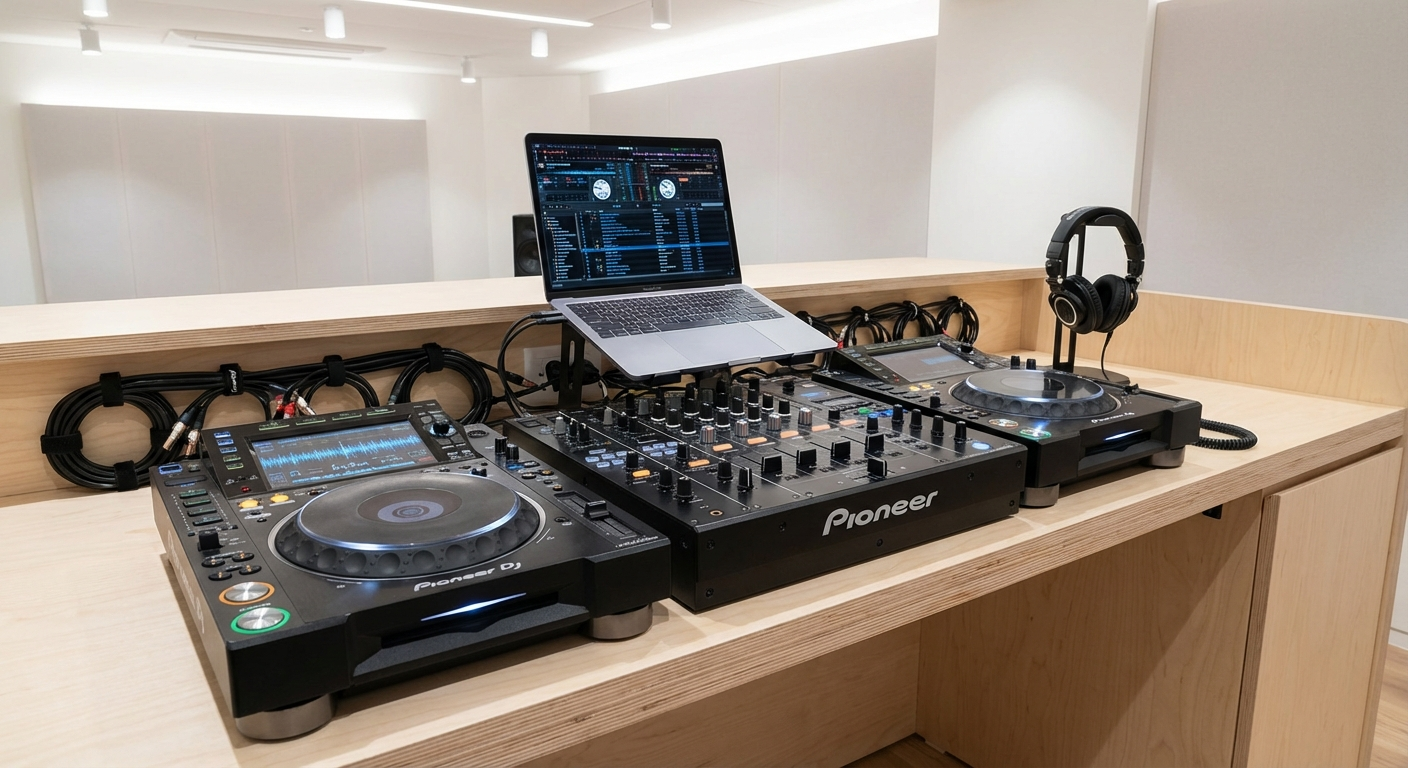
Planning an event in 2026? Whether it's a wedding, corporate gathering, or even a backyard bash, the event sound setup is absolutely critical for creating the right atmosphere. Poor sound quality can kill the vibe, while a well-executed setup will keep your guests engaged and entertained. But where do you even begin? Don't worry, we've got you covered! This guide will walk you through the essential secrets to achieving professional-quality sound, ensuring your event is a resounding success. From choosing the right equipment to optimizing acoustics and managing sound levels, we'll provide the knowledge you need to create an unforgettable audio experience.
🎯 Key Takeaways
- Understand the core components of an effective event sound setup.
- Learn how to choose the right speakers, microphones, and mixers for your needs.
- Discover practical techniques for optimizing acoustics and minimizing feedback.
- Master the art of sound level management to keep your event enjoyable for everyone.
- Explore essential troubleshooting tips to handle unexpected audio issues.
Understanding the Core Components of an Event Sound Setup
Before diving into the specifics, let's break down the fundamental components of a typical event sound setup. Think of it as building blocks for audio excellence. You'll need to consider several key elements to ensure a smooth and immersive listening experience.
First, you need speakers. These are the workhorses of your setup, responsible for projecting the audio to your audience. Choosing the right speakers depends on factors like the size of the venue, the number of attendees, and the type of music you'll be playing. Consider both powered (active) and unpowered (passive) options.
Next up: Microphones. Whether you're hosting a speech, live performance, or karaoke session, microphones are essential for capturing sound. Different types of microphones, like dynamic and condenser mics, are suited for different applications.
A mixer is your central control panel. It allows you to blend and adjust the levels of multiple audio sources, like microphones, instruments, and music players. A good mixer provides precise control over your sound, allowing you to fine-tune the mix to perfection.
Don't forget the audio source. This could be anything from a laptop or smartphone playing music to a DJ setup or a live band. Make sure your audio source is compatible with your mixer and speakers. Using an online playlist creator like PartyMusicPlaylist can simplify your music selection and organization.
Finally, you'll need cables and accessories. High-quality cables are crucial for transmitting audio signals without interference. Accessories like microphone stands, speaker stands, and power conditioners can also enhance your setup.
- Pro Tip: Invest in quality cables. Cheap cables can introduce noise and signal loss, degrading your overall sound quality.
Considering all of these elements will help you build a solid foundation for your event sound setup.
Choosing the Right Speakers for Your Event
Selecting the appropriate speakers is paramount. The right speakers can transform your event sound setup from adequate to exceptional, while the wrong choice can leave your audio sounding weak and underwhelming. Here's how to make sure you're on the right track.
First, consider the size of your venue. A small room will require less powerful speakers than a large ballroom or an outdoor space. Think about the area you need to cover, and choose speakers with sufficient wattage and coverage to fill the space effectively.
Next, factor in the number of attendees. More people mean more sound absorption, so you'll need speakers that can deliver enough volume to overcome the crowd noise. As a general rule, aim for at least 5 watts per person for speech and 10 watts per person for music.
The type of event also plays a role. For a wedding reception with dancing, you'll want speakers that can handle bass-heavy music and provide a clear, punchy sound. For a corporate presentation, clarity and intelligibility are more important.
Powered (active) speakers have built-in amplifiers, making them easy to set up and use. They're a great option for smaller events and DJs who want a portable solution. Unpowered (passive) speakers require an external amplifier, offering more flexibility and control over your sound. They're often preferred for larger events and permanent installations.
Pay attention to speaker specifications like frequency response, sensitivity, and maximum SPL (sound pressure level). These numbers will give you an idea of the speaker's sound quality, efficiency, and loudness.
- Top Picks: For versatility, consider QSC K12.2 or Yamaha DXR12 powered speakers. They offer excellent sound quality and are suitable for a wide range of events.
Don't underestimate the power of good speakers in your event sound setup!
Microphones: Capturing the Sound You Need
Microphones are the ears of your event sound setup, translating sound waves into electrical signals that can be amplified and processed. Choosing the right microphone is crucial for capturing clear, accurate audio, whether you're recording a vocalist, amplifying a speech, or miking up a drum kit.
Dynamic microphones are rugged and versatile, making them ideal for live performances and high-volume applications. They're less sensitive than condenser microphones, so they're less prone to feedback and background noise. The Shure SM58 is an industry-standard dynamic microphone known for its durability and reliability.
Condenser microphones are more sensitive and accurate than dynamic microphones, making them a great choice for recording vocals, acoustic instruments, and speeches. They require phantom power (usually 48V), which is supplied by your mixer or audio interface. The Rode NT-USB+ is a popular condenser microphone that delivers professional-quality sound.
Lavalier microphones are small, clip-on microphones that are commonly used for speeches and presentations. They're discreet and provide hands-free operation, allowing speakers to move around freely. The Audio-Technica ATR3350iS is a reliable lavalier microphone that offers good sound quality at an affordable price.
Wireless microphones offer freedom of movement and are ideal for performers who need to roam the stage. They consist of a microphone transmitter and a receiver that connects to your mixer. The Shure BLX24/SM58 is a popular wireless microphone system that delivers clear, reliable audio.
For vocal performances, consider these tracks to test your microphones during setup:
- "Rolling in the Deep" by Adele — Tests vocal range and microphone sensitivity.
- "Bohemian Rhapsody" by Queen — Evaluates microphone handling of complex harmonies.
- "Hallelujah" by Leonard Cohen — Assesses the microphone's ability to capture subtle nuances.
Proper microphone selection and placement are vital components of a well-rounded event sound setup.
Optimizing Acoustics for a Better Sound Experience
Acoustics play a significant role in how sound travels and is perceived in a space. Even with the best equipment, poor acoustics can make your event sound setup sound muddy, echoey, or distorted. Fortunately, there are several steps you can take to optimize the acoustics of your venue and create a better listening experience for your audience.
One of the most common acoustic problems is excessive reverberation, which occurs when sound waves bounce around the room for too long. This can make it difficult to understand speech and can muddy the sound of music. To reduce reverberation, consider adding sound-absorbing materials to the walls and ceiling, such as acoustic panels, curtains, or tapestries.
Sound diffusion is another important aspect of acoustics. Diffusers scatter sound waves in different directions, creating a more even and balanced sound field. You can use diffusers to break up standing waves and reduce echoes, making the sound more natural and immersive.
The shape and size of the room also affect acoustics. Rectangular rooms tend to have more pronounced standing waves than irregularly shaped rooms. If possible, try to position your speakers and audience in a way that minimizes the impact of these standing waves.
Pay attention to reflective surfaces like windows, mirrors, and hard floors. These surfaces can cause sound to bounce around the room, creating unwanted reflections and echoes. Covering these surfaces with curtains, rugs, or acoustic panels can help to reduce these reflections.
Consider the placement of your speakers. Positioning your speakers correctly can make a big difference in the overall sound quality. Experiment with different speaker placements to find the sweet spot where the sound is clear, balanced, and evenly distributed throughout the room.
- Identify Problem Areas: Clap your hands and listen for echoes or excessive reverb.
- Add Acoustic Treatment: Hang curtains, place rugs, or install acoustic panels.
- Adjust Speaker Placement: Experiment with different positions to find the best sound.
- Test and Fine-Tune: Use test tones or music to evaluate the sound and make adjustments.
By addressing these acoustic issues, you can dramatically improve the sound quality of your event sound setup.
Mastering Sound Level Management: Keeping It Comfortable for Everyone
Sound level management is a critical aspect of any successful event sound setup. It's about finding the right balance between delivering a clear, impactful sound and protecting your audience's hearing. Excessive sound levels can cause discomfort, fatigue, and even permanent hearing damage. Here's how to master the art of sound level management and keep your event enjoyable for everyone.
Start by understanding decibels (dB). Decibels are the unit of measurement for sound intensity. Prolonged exposure to sound levels above 85 dB can cause hearing damage. A typical conversation is around 60 dB, while a rock concert can reach 110 dB or higher.
Use a sound level meter to measure the sound levels at different locations in your venue. This will give you an objective measurement of the sound pressure and help you identify areas where the sound is too loud. Many smartphone apps can also provide a rough estimate of sound levels, but a dedicated sound level meter is more accurate.
Set a target sound level for your event. This will depend on the type of event and the preferences of your audience. For a wedding reception, a comfortable sound level for dancing is around 90-95 dB. For a corporate presentation, aim for a lower sound level of around 75-80 dB.
Monitor the sound levels throughout the event and make adjustments as needed. Be mindful of changes in crowd noise, which can affect the perceived loudness of the music. If the crowd gets louder, you may need to turn down the music to maintain a comfortable sound level.
Consider using sound limiters to prevent the sound levels from exceeding a certain threshold. Sound limiters automatically reduce the volume when the sound reaches a predetermined level, protecting your audience from excessive noise exposure.
- Use Sound Level Meters: Monitor dB levels throughout the event.
- Set Comfortable Limits: Aim for 90-95 dB for dancing, 75-80 dB for speeches.
- Adjust Dynamically: Respond to changes in crowd noise.
Effective sound level management is essential for creating a safe and enjoyable event sound setup.
Essential Troubleshooting Tips for Unexpected Audio Issues
Even with the most meticulous planning, unexpected audio issues can arise during your event. Being prepared with essential troubleshooting tips can save the day and prevent minor problems from escalating into major disasters. Here are some common audio problems and how to fix them:
No sound: Start by checking the obvious things, such as whether the power is on, the cables are connected properly, and the volume is turned up. Make sure all the components are properly powered and connected. Check the mixer's input and output levels to ensure that the signal is flowing correctly.
Humming or buzzing: This is often caused by ground loops, which occur when there are multiple ground paths between different pieces of equipment. Try using a ground loop isolator or a power conditioner to eliminate the hum. Also, ensure that all your equipment is plugged into the same electrical circuit.
Feedback: Feedback occurs when the sound from the speakers is picked up by the microphone and amplified again, creating a squealing or howling noise. To prevent feedback, keep the microphones away from the speakers, reduce the microphone gain, and use a feedback suppressor.
Distortion: Distortion can be caused by overloading the input or output of your mixer or amplifier. Reduce the input or output levels to eliminate the distortion. Also, check your speakers to make sure they're not damaged or blown.
Weak or muffled sound: This can be caused by a loose cable, a faulty microphone, or a problem with your speakers. Check all the cables to make sure they're securely connected. Try using a different microphone or speaker to isolate the problem.
If you encounter any of these issues, don't panic. Take a deep breath, systematically troubleshoot the problem, and try different solutions until you find the cause and fix it. Having a basic understanding of audio troubleshooting can be a lifesaver when you're running an event sound setup.
Crafting the Perfect Party Playlist: Setting the Mood with Music
A killer event sound setup isn't complete without an equally amazing playlist. The right music selection can elevate the atmosphere and keep your guests engaged and energized. Consider these essential tracks for different moments of your event:
Editor's Top Picks
- "September" by Earth, Wind & Fire — An absolute dance floor essential, guaranteed to get everyone moving.
- "Don't Stop Believin'" by Journey — A singalong classic that unites generations.
- "Uptown Funk" by Mark Ronson ft. Bruno Mars — A modern funk anthem that never fails to ignite the party.
For setting the mood during cocktail hour, consider these tracks:
- "Come Away With Me" by Norah Jones — Smooth and sophisticated, perfect for creating a relaxed ambiance.
- "Fly Me to the Moon" by Frank Sinatra — A timeless classic that exudes elegance and charm.
- "Lovely Day" by Bill Withers — Upbeat and cheerful, setting a positive tone for the event.
When it's time to hit the dance floor, these songs are guaranteed to get everyone moving:
- "Dancing Queen" by ABBA — An iconic disco anthem that's impossible to resist.
- "I Wanna Dance with Somebody (Who Loves Me)" by Whitney Houston — A high-energy classic that's perfect for a wedding or party.
- "Mr. Brightside" by The Killers — An indie rock anthem that always gets the crowd singing along.
For a romantic slow dance, these songs will set the perfect tone:
- "At Last" by Etta James — A timeless classic that's perfect for a first dance.
- "Can't Help Falling in Love" by Elvis Presley — A tender and heartfelt ballad that's sure to tug at the heartstrings.
- "A Thousand Years" by Christina Perri — A modern love song that's perfect for a contemporary wedding.
To streamline your playlist creation, consider using a tool like PartyMusicPlaylist's playlist templates or explore more music planning tips on our blog.
Crafting the perfect playlist is an art form that can make or break your event sound setup. Choose wisely and get ready to create some unforgettable memories.
Leveraging Guest Song Requests: Engaging Your Audience
One of the best ways to make your event sound setup truly memorable is to involve your guests in the music selection process. Allowing guests to request songs can create a sense of ownership and engagement, making them feel more connected to the event.
Set up a digital request station where guests can submit their song requests. This could be as simple as a shared Google Sheet or a dedicated app like PartyMusicPlaylist, which allows guests to easily submit requests and vote on their favorite songs. This also ensures that the DJ has a wide variety of music to choose from, catering to different tastes and preferences.
Encourage requests in advance by sending out a link to the request station with the event invitation. This gives guests plenty of time to think about their favorite songs and submit their requests before the event. It also allows you to get a sense of the musical preferences of your audience and tailor your playlist accordingly.
Set some ground rules for song requests. This could include limiting the number of requests per person, specifying genres or artists that are appropriate for the event, or reserving the right to decline requests that don't fit the overall tone or theme. This helps to ensure that the music remains consistent and enjoyable for everyone.
Be responsive to guest requests during the event. Try to play as many requested songs as possible, and let guests know when their requests are coming up. This shows that you value their input and are committed to making the event fun and engaging for them.
- Pro Tip: Use a platform that allows guests to vote on songs. This helps prioritize the most popular requests and ensures that you're playing music that everyone will enjoy.
By leveraging guest song requests, you can create a more interactive and personalized event sound setup that your guests will love.
Common Mistakes to Avoid in Your Event Sound Setup
Even seasoned event planners can fall victim to common pitfalls when setting up their audio systems. Being aware of these mistakes can help you avoid potential disasters and ensure a seamless and enjoyable event.
⚠️ Heads Up: One of the most common mistakes is underestimating the power requirements of your equipment. Make sure you have enough power outlets and that your electrical circuits can handle the load. Overloading a circuit can cause a power outage, which can bring your event to a screeching halt.
Another common mistake is using cheap cables. Low-quality cables can introduce noise and signal loss, degrading your overall sound quality. Invest in high-quality cables to ensure a clean and reliable audio signal.
Ignoring acoustics is another frequent error. Failing to address acoustic problems like excessive reverberation or echoes can make your sound system sound muddy and unintelligible. Take the time to optimize the acoustics of your venue by adding sound-absorbing materials or diffusers.
⚠️ Heads Up: Failing to test your equipment before the event is a recipe for disaster. Always test your entire sound system in advance to identify and fix any potential problems. This gives you time to troubleshoot and make adjustments before your guests arrive.
Neglecting sound level management can also be a major issue. Playing music too loud can cause discomfort and even hearing damage. Use a sound level meter to monitor the sound levels and make sure they're within a safe and comfortable range. Remember, you want people to enjoy the music, not endure it.
By avoiding these common mistakes, you can ensure that your event sound setup is a resounding success.
Expert Tips and Pro Advice for a Flawless Sound Experience
For a truly flawless event sound setup, consider these expert tips and pro advice. These insights can elevate your audio game and ensure that your event sounds its absolute best.
Invest in a good quality mixer. A high-quality mixer provides precise control over your sound, allowing you to fine-tune the mix to perfection. Look for a mixer with features like EQ, compression, and effects to enhance your audio.
Use a power conditioner to protect your equipment from voltage spikes and surges. Power conditioners also filter out noise and interference, providing a cleaner and more stable power supply.
Learn how to EQ properly. EQ (equalization) allows you to adjust the tonal balance of your audio, shaping the sound to your liking. Experiment with different EQ settings to find the sweet spot for each sound source.
Use compression to control dynamics. Compression reduces the dynamic range of your audio, making it sound louder and more consistent. Use compression sparingly to avoid over-compressing your sound.
Pay attention to gain staging. Gain staging is the process of setting the input and output levels of your audio equipment to optimize the signal-to-noise ratio. Proper gain staging can significantly improve your sound quality.
Consider hiring a professional sound engineer, especially for larger or more complex events. A sound engineer has the expertise and experience to handle all aspects of your sound system, ensuring that everything runs smoothly.
💡 Pro Tip: Always have backup equipment on hand, such as spare microphones, cables, and speakers. This can save the day if something fails during the event.
Frequently Asked Questions
PartyMusicPlaylist Team
Helping you create the perfect soundtrack for life's most memorable moments. Expert tips on event music planning, DJ coordination, and playlist curation.
Learn MoreReady to Plan Your Event Music?
Create the perfect playlist for your special event. Search songs, organize your timeline, and share with your DJ.
Get Started FreeRelated Articles
Continue reading