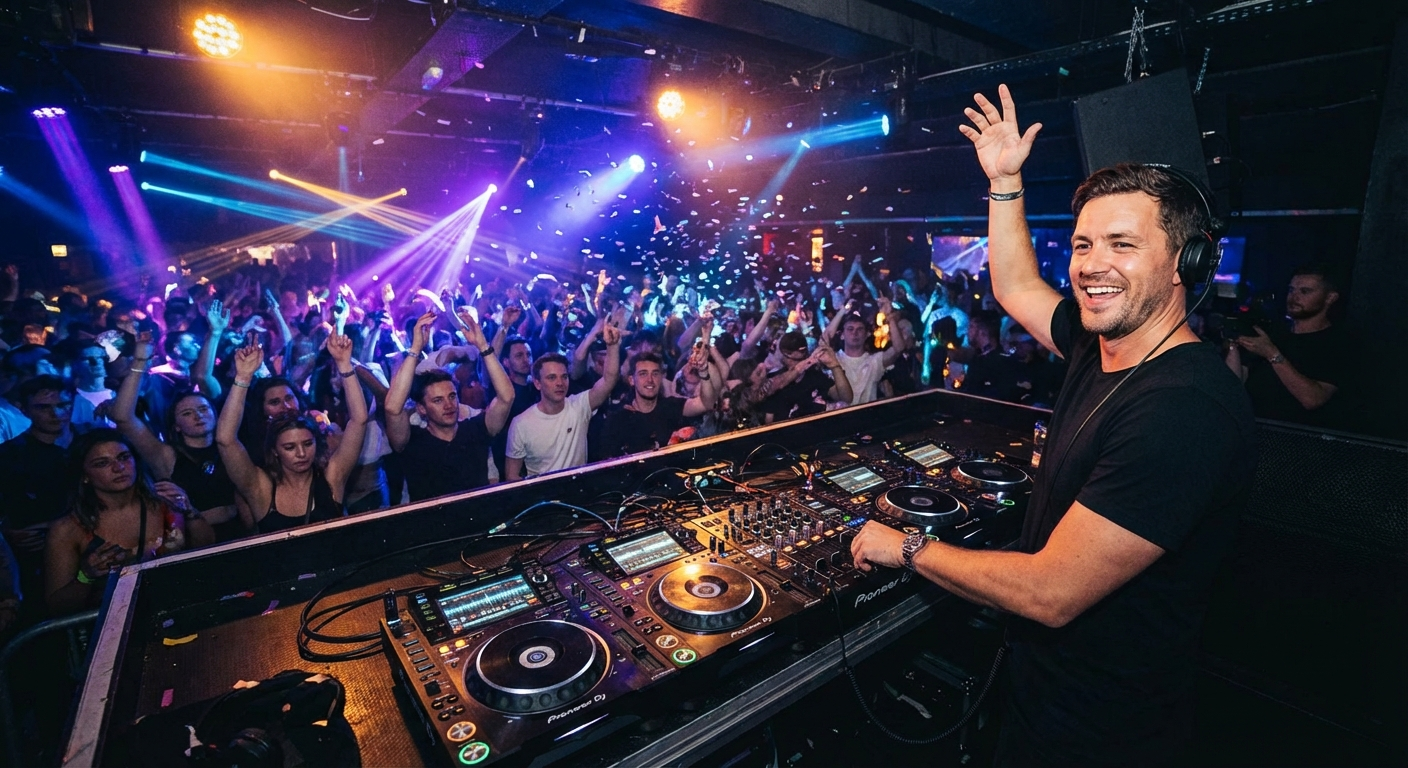
Are you a DJ looking to stay ahead of the curve? Navigating the world of music licensing can feel like traversing a legal minefield. One wrong step, and you could face hefty fines or worse. But fear not! Attending the right music licensing events can provide you with the knowledge, connections, and resources you need to protect yourself and your business. In this article, we’ll reveal five secret music licensing events that every DJ should have on their radar in 2026. These events offer invaluable insights into copyright law, performance rights, and the latest trends in the industry, ensuring you’re always playing by the rules while keeping the party going. Let’s dive in!
🎯 Key Takeaways
- Discover the top music licensing events for DJs in 2026.
- Understand the importance of music licensing for DJs and their businesses.
- Learn how to network with industry experts and legal professionals at these events.
- Gain insights into emerging trends and changes in copyright law.
- Arm yourself with the knowledge to avoid legal pitfalls and protect your musical assets.
Why Music Licensing Events Are Essential for DJs
So, why should DJs prioritize attending music licensing events? The answer is simple: knowledge is power, and in the music industry, that power translates directly to legal protection and business success. As a DJ, you're constantly using copyrighted material. Whether you're spinning tracks at a club, streaming online, or creating mixes for private events, you need to understand the legal framework that governs the use of music.
Music licensing events offer a concentrated dose of information, delivered by experts in the field. You'll learn about the different types of licenses you need, how to obtain them, and the potential consequences of non-compliance. Think of it as an investment in your future, one that can save you from costly legal battles down the road. Plus, these events aren't just about avoiding trouble. They're also an opportunity to connect with other professionals, share experiences, and discover new ways to leverage music licensing to your advantage.
For example, understanding the nuances between a performance license and a synchronization license could significantly impact how you use music in your online promotional videos. A performance license covers the public performance of a song, while a synchronization license is required when you pair music with visual media. Knowing this difference could save you from a copyright infringement claim if you decide to use a popular track in your DJ promo reel.
Attending these events can also help you stay informed about evolving regulations and industry best practices. The legal landscape surrounding music licensing is constantly changing, with new technologies and platforms creating new challenges and opportunities. By staying informed, you can adapt your strategies and ensure you're always operating within the bounds of the law. Don't get caught off guard; stay informed and protect your passion!
Top 5 Music Licensing Events DJs Can't Miss in 2026
Alright, let’s get to the heart of the matter: which music licensing events should you be marking on your calendar for 2026? We've scoured the industry landscape and compiled a list of five must-attend events that offer unparalleled opportunities for DJs to learn, network, and stay ahead of the game. Prepare to elevate your understanding of music licensing!
- Future of Music Summit (Date TBD): This summit brings together musicians, policymakers, and legal experts to discuss the challenges and opportunities facing the music industry. Expect in-depth sessions on music licensing, copyright reform, and the impact of technology on music creation and distribution.
- International Music Law Conference (March): Geared towards legal professionals, this conference also offers valuable insights for DJs. With sessions on international copyright law, digital rights management, and licensing agreements, you'll gain a global perspective on the legal aspects of music.
- Winter Music Conference (WMC) (January): While known for its focus on electronic music, WMC also features panels and workshops on music licensing and legal issues relevant to DJs and producers. This is a great opportunity to network with other industry professionals and learn from experts in electronic music law.
- SXSW Music (March): South by Southwest (SXSW) isn't just about showcasing new music; it also offers a robust program of panels and workshops on music licensing, copyright, and other legal topics. With a diverse range of speakers and attendees, SXSW provides a unique opportunity to learn from different perspectives and connect with industry leaders.
- Billboard Music Law & Executive Summit (Date TBD): This summit, hosted by Billboard, brings together top music executives, lawyers, and artists to discuss the latest legal and business trends in the industry. Expect sessions on music licensing, rights management, and the impact of streaming on the music ecosystem.
💡 Pro Tip: When attending these events, come prepared with specific questions about your DJ business and music licensing challenges. This will help you get the most out of the sessions and networking opportunities.
Understanding Performance Rights Organizations (PROs)
One of the most crucial aspects of music licensing for DJs involves understanding Performance Rights Organizations (PROs). PROs, such as ASCAP, BMI, and SESAC in the United States, play a vital role in collecting royalties for songwriters and publishers when their music is performed publicly. As a DJ, you're essentially "performing" music whenever you play it for an audience, whether it's in a club, at a wedding, or even through an online stream. Therefore, you need to understand how PROs work and how they impact your business.
These organizations work by licensing venues and businesses that publicly perform music. The fees collected from these licenses are then distributed to the songwriters and publishers whose music was played. As a DJ, you don’t directly pay the PROs (usually). The venue you are preforming at does and the PRO's handle the payment to the artist. However, it's essential to be aware of the venues PRO arrangements and reporting practices. This helps ensure that the artists whose music you play are properly compensated.
Attending music licensing events can provide valuable insights into how PROs operate, the different types of licenses they offer, and the ways in which they track and distribute royalties. You'll learn about the importance of accurate cue sheets (lists of songs played) and how they contribute to the fair distribution of royalties. Additionally, you'll gain a better understanding of the legal obligations of venues and promoters regarding music licensing.
For example, let's say you're playing a set at a local bar. The bar should have a blanket license from ASCAP, BMI, and SESAC, which allows them to legally play any song in their respective catalogs. However, it's still important for you to provide the bar with a cue sheet listing the songs you played, as this helps the PROs accurately track and distribute royalties to the appropriate songwriters and publishers.
- Understand the role of PROs in music licensing.
- Learn about the different types of licenses offered by PROs.
- Provide accurate cue sheets to venues and promoters.
- Ensure that the artists whose music you play are properly compensated.
Navigating Streaming and Digital Music Licensing
In today's digital age, streaming has become an integral part of the music industry, and DJs are increasingly using streaming platforms to access and play music. However, streaming and digital music licensing can be a complex and often confusing area. It's crucial for DJs to understand the legal requirements for streaming music publicly and the potential pitfalls to avoid.
When streaming music, whether it's through a platform like Spotify, Apple Music, or a dedicated DJ streaming service, you're essentially creating a public performance. This means you need to ensure that you have the necessary licenses to do so legally. Many streaming platforms offer licenses for personal use, but these licenses typically don't cover public performances. Therefore, you may need to obtain additional licenses from PROs or other rights holders.
Music licensing events often feature sessions specifically focused on streaming and digital music licensing. You'll learn about the different types of licenses required for streaming, the costs associated with those licenses, and the potential consequences of streaming music without the proper permissions. You'll also gain insights into the latest trends and developments in digital music licensing, such as the use of blockchain technology and artificial intelligence to track and manage music rights.
Let's say you want to start a weekly DJ stream on Twitch. You need to ensure that you have the necessary licenses to stream the music you play. This may involve obtaining licenses from PROs, as well as negotiating agreements with individual rights holders. Failing to do so could result in your stream being taken down or, worse, legal action being taken against you.
Essential Streaming Tracks
- "Don't Start Now" by Dua Lipa — guaranteed to get your stream pumping
- "Blinding Lights" by The Weeknd — a modern classic that always delivers
Crafting a Legally Compliant DJ Set: A Step-by-Step Guide
Creating a legally compliant DJ set doesn't have to be a daunting task. By following a few simple steps, you can ensure that you're playing by the rules and protecting yourself from legal repercussions. Here's a step-by-step guide to crafting a legally compliant DJ set:
- Research the venue's licensing agreements: Before you even start planning your set, find out what music licensing agreements the venue has in place. Do they have blanket licenses from ASCAP, BMI, and SESAC? Are there any restrictions on the types of music you can play?
- Create a detailed playlist: Once you know the venue's licensing situation, create a detailed playlist of the songs you plan to play. This will help you track the music you're using and ensure that you have the necessary licenses.
- Obtain necessary licenses: If the venue doesn't have the necessary licenses to cover your performance, you may need to obtain them yourself. This could involve contacting PROs directly or using a music licensing platform to obtain the required permissions.
- Use licensed music sources: When sourcing music for your set, make sure you're using licensed sources, such as legitimate streaming platforms or digital music stores. Avoid using pirated or unauthorized music, as this could lead to legal trouble.
- Document your set: During your performance, keep a detailed record of the songs you play. This will help you create accurate cue sheets for the venue and the PROs, ensuring that the artists whose music you play are properly compensated.
💡 Pro Tip: Consider using music licensing software or apps to help you manage your licensing obligations and track your music usage. These tools can automate many of the tasks involved in music licensing, saving you time and effort.
Must-Have Tracks for Guaranteeing Dance Floor Success (Legally!)
Let's face it: a DJ set isn't just about playing music; it's about creating an experience. And that experience hinges on selecting the right tracks to get the crowd moving. But you also need to ensure that the music you're playing is properly licensed. Here's a list of must-have tracks that are sure to get the dance floor pumping, all while keeping your music licensing obligations in mind:
- "September" by Earth, Wind & Fire — A timeless classic that never fails to ignite the dance floor.
- "I Wanna Dance with Somebody (Who Loves Me)" by Whitney Houston — An anthemic singalong that's perfect for getting everyone involved.
- "Good as Hell" by Lizzo — A body-positive banger that celebrates self-love and confidence.
- "Uptown Funk" by Mark Ronson ft. Bruno Mars — A funky, retro-inspired track that's guaranteed to get people moving.
- "Levitating" by Dua Lipa — A disco-infused pop anthem that's perfect for creating a high-energy atmosphere.
- "Dynamite" by BTS — A global smash hit that's sure to please a diverse crowd.
- "Happy" by Pharrell Williams — An infectious feel-good anthem that's impossible not to dance to.
- "Dancing Queen" by ABBA — A classic disco track that's still as popular as ever.
- "Mr. Brightside" by The Killers — An indie rock anthem that's become a staple of DJ sets around the world.
- "Don't Stop Me Now" by Queen — A high-energy rock anthem that's perfect for creating a moment of pure exhilaration.
Tips for Networking at Music Licensing Events
Attending music licensing events isn't just about learning; it's also about networking. These events provide invaluable opportunities to connect with industry experts, legal professionals, and other DJs. Building a strong network can help you stay informed about the latest trends, find new business opportunities, and navigate the complex world of music licensing.
- Prepare an elevator pitch: Before you attend the event, prepare a concise and compelling elevator pitch that summarizes your DJ business and your music licensing needs. This will help you make a strong first impression and quickly convey your value proposition to potential contacts.
- Set networking goals: Identify specific people or organizations you want to connect with at the event. This will help you focus your networking efforts and ensure that you're making the most of your time.
- Attend social events: Many music licensing events feature social events, such as cocktail receptions and networking lunches. These events provide a relaxed and informal setting for meeting new people and building relationships.
- Follow up with contacts: After the event, follow up with the people you met. Send them a personalized email or connect with them on social media. This will help you solidify your connections and keep the conversation going.
⚠️ Heads Up: Don't just collect business cards; focus on building genuine relationships. Ask people about their experiences, share your own insights, and look for ways to collaborate.
Common Music Licensing Mistakes DJs Should Avoid
Navigating the world of music licensing can be tricky, and it's easy to make mistakes, especially if you're just starting out. However, these mistakes can have serious consequences, ranging from fines to legal action. Here are some common music licensing mistakes that DJs should avoid:
⚠️ Heads Up: One of the most common mistakes is failing to obtain the necessary licenses for public performances. As mentioned earlier, you need to ensure that you have the proper licenses to play music in public, whether it's at a club, a wedding, or an online stream. This may involve obtaining licenses from PROs or other rights holders.
⚠️ Heads Up: Another common mistake is using unlicensed music sources. Avoid using pirated or unauthorized music, as this could lead to legal trouble. Stick to legitimate streaming platforms or digital music stores.
⚠️ Heads Up: Not keeping accurate cue sheets is another common issue. As mentioned earlier, cue sheets are essential for tracking the music you play and ensuring that the artists whose music you play are properly compensated. Providing the venue with accurate cue sheets makes you a professional and valuable partner.
- Always obtain the necessary licenses for public performances.
- Use licensed music sources only.
- Keep accurate cue sheets of your sets.
- Stay informed about changes in music licensing regulations.
Expert Tips for Staying Ahead in Music Licensing
Want to take your music licensing knowledge to the next level? Here are some expert tips for staying ahead of the game and ensuring that you're always operating within the bounds of the law:
Consider consulting with a music attorney. A qualified music attorney can provide you with personalized advice on your music licensing obligations and help you navigate complex legal issues. Think of it as an investment in your peace of mind.
Stay informed about changes in music licensing regulations. The legal landscape surrounding music is constantly evolving, so it's important to stay up-to-date on the latest changes. Follow industry news sources, attend music licensing events, and subscribe to legal newsletters.
Embrace technology. There are a number of music licensing software and apps available that can help you manage your licensing obligations and track your music usage. These tools can automate many of the tasks involved in music licensing, saving you time and effort.
Integrate with PartyMusicPlaylist to ensure compliance in your event planning. PartyMusicPlaylist helps you stay organized and provides resources to help you navigate music licensing for your events. Plus, it's a breeze to Create Your Playlist with our platform!
- Consult with a music attorney for personalized advice.
- Stay informed about changes in music licensing regulations.
- Embrace technology to streamline your licensing obligations.
- Use resources like PartyMusicPlaylist to help you stay organized.
Frequently Asked Questions
PartyMusicPlaylist Team
Helping you create the perfect soundtrack for life's most memorable moments. Expert tips on event music planning, DJ coordination, and playlist curation.
Learn MoreReady to Plan Your Event Music?
Create the perfect playlist for your special event. Search songs, organize your timeline, and share with your DJ.
Get Started FreeRelated Articles
Continue reading