Crafting the Perfect Event Music Timeline: Your Ultimate Guide
Planning an event? From weddings to corporate parties, the music sets the mood. But haphazardly throwing songs together just won't cut it. You need a strategic event music timeline. A well-structured timeline ensures a smooth flow, keeps your guests engaged, and elevates the entire experience. This guide will walk you through every step of creating the perfect soundtrack for your event. Are you ready to transform your event from ordinary to unforgettable?
In this guide, we'll dive deep into the art and science of crafting an effective event music timeline. We'll cover everything from understanding your audience to selecting the right songs for each moment. By the end, you'll have a clear roadmap for creating a playlist that perfectly complements your event, leaving a lasting impression on your guests.
Understanding the Importance of an Event Music Timeline
Why is having an event music timeline so crucial? Think of it as the backbone of your event's atmosphere. It's not just about playing good songs; it's about playing the right songs at the right time. A well-planned timeline provides structure and flow, preventing awkward silences or jarring transitions that can disrupt the mood. It ensures that the energy levels are appropriate for each stage of the event, from a relaxed cocktail hour to a high-energy dance floor.
Imagine a wedding reception where the DJ immediately starts blasting heavy metal as guests arrive. It would be a complete mismatch, right? An event music timeline avoids such scenarios by carefully curating the music to match the activities and tone of each segment. It's about creating a cohesive and enjoyable experience for everyone in attendance. Furthermore, a well-planned music selection can drive engagement! By selecting music that fits the moment, you're more likely to get people on the dancefloor, chatting, and enjoying themselves.
Consider this quote from a professional event planner:
“Music is the heartbeat of any event. A well-crafted playlist, guided by a solid timeline, can make or break the atmosphere. It's not just about the individual songs; it's about how they work together to create a seamless and memorable experience."
What does a good event music timeline look like in practice? Let's say you're planning a corporate holiday party. Your timeline might include:
- Arrival/Cocktail Hour: Smooth jazz, acoustic covers, or low-key instrumental music to create a relaxed and welcoming atmosphere.
- Dinner: Upbeat but non-intrusive background music that encourages conversation.
- Speeches/Announcements: No music! (Unless you need a short, celebratory fanfare).
- Dancing: A mix of popular dance hits, classic party anthems, and genre-specific selections to get everyone moving.
- Wind-Down: Slower, more mellow tunes to signal the end of the night.
Building Your Event Music Timeline: A Step-by-Step Guide
Creating an event music timeline might seem daunting, but it's manageable if you break it down into smaller steps. Here's a practical guide to help you build the perfect soundtrack for your event:
- Define Your Event's Purpose and Audience: What kind of event are you hosting? Is it formal or informal? Who will be attending? Understanding your event's purpose and audience is crucial for selecting the right music. For example, a wedding for a younger couple might feature more contemporary hits, while a corporate gala might lean towards classic favorites.
- Outline the Key Moments/Segments: Identify the different phases of your event. Will there be a cocktail hour, dinner service, speeches, dancing, and a farewell segment? Each segment will require a different musical style and energy level. Write down each segment with approximate start and end times.
- Brainstorm Song Ideas for Each Segment: Once you have your segments outlined, start brainstorming song ideas for each one. Don't be afraid to get specific! Think about what kind of mood you want to create and what songs would best achieve that. Use online resources, music streaming services, and ask for suggestions from friends or colleagues.
- Curate and Refine Your Playlist: With your list of song ideas in hand, begin building your playlist. Pay attention to the flow of the music, ensuring smooth transitions between songs and consistent energy levels within each segment. Remove any songs that don't quite fit or that clash with the overall vibe. Create Your Playlist now!
- Test and Iterate: Don't wait until the last minute to test your playlist! Listen to it from start to finish, paying attention to the pacing and flow. Make any necessary adjustments to ensure a seamless and engaging experience. Consider getting feedback from trusted friends or colleagues to get a fresh perspective.
Remember, creating an event music timeline is an iterative process. Don't be afraid to experiment and make changes until you're completely satisfied with the result.
Choosing the Right Music Genre for Each Event Phase
The genre of music you choose for each phase of your event can significantly impact the overall atmosphere. Here's a breakdown of popular genres and how they can be used effectively:
Cocktail Hour:
For a cocktail hour, you want something relaxed and inviting. Consider these options:
- Smooth Jazz: Relaxing and sophisticated, perfect for creating a refined atmosphere.
- Acoustic Covers: Familiar songs with a mellow twist.
- Bossa Nova: A Brazilian genre that's upbeat yet calming.
- Lo-Fi Beats: Laid-back and modern, ideal for a relaxed vibe.
Dinner:
Dinner music should be upbeat enough to add energy but not so loud that it interferes with conversation.
- Soft Rock: Popular and accessible, perfect for a mixed audience.
- Classic Soul: Timeless and soulful, adding a touch of elegance.
- Instrumental Versions of Pop Songs: Familiar melodies without the distracting lyrics.
- Light Classical: Sophisticated and understated, ideal for a formal setting.
Dancing:
The dance floor is where you can really let loose! Consider these genres to get people moving:
- Pop: Always a crowd-pleaser, with plenty of high-energy hits.
- Funk: Funky grooves that are guaranteed to get people dancing.
- Hip-Hop: A mix of classic and contemporary hip-hop tracks.
- Electronic Dance Music (EDM): High-energy beats for a modern dance party.
Wind-Down:
As the event winds down, transition to slower, more mellow tunes.
- R&B Ballads: Soulful and romantic, perfect for a final slow dance.
- Acoustic Ballads: Stripped-down versions of popular songs.
- Classic Rock Ballads: Timeless favorites that everyone knows and loves.
- Chillwave: Dreamy and atmospheric, ideal for a relaxed farewell.
Song Selection: Matching the Music to the Moment
Choosing the right songs is paramount to creating an effective event music timeline. Here are some specific song suggestions for different moments, paired with explanations of why they work:
Arrival/Cocktail Hour:
- "Come Away With Me" by Norah Jones — Smooth, mellow, and sets a relaxed tone.
- "Watermark" by Enya — Atmospheric and calming, creating an elegant ambiance.
- "Lovely Day" by Bill Withers — Uplifting and positive, perfect for welcoming guests.
- "Isn't She Lovely" by Stevie Wonder — A classic feel-good song that everyone recognizes.
- "Fly Me to the Moon" by Frank Sinatra — Timeless and sophisticated, adding a touch of class.
Dinner:
- "Better Together" by Jack Johnson — Upbeat but relaxed, perfect for background music.
- "Valerie" by Amy Winehouse (Mark Ronson Version) — Funky and soulful, adding a touch of energy.
- "Signed, Sealed, Delivered (I'm Yours)" by Stevie Wonder — Upbeat and joyful, encouraging conversation.
- "Everything" by Michael Bublé — Smooth and romantic, creating a warm atmosphere.
- "Crazy Little Thing Called Love" by Queen — Energetic but not overpowering, perfect for a lively dinner.
Dancing:
- "September" by Earth, Wind & Fire — A classic dance anthem that always gets people moving.
- "Uptown Funk" by Mark Ronson ft. Bruno Mars — Funky and energetic, guaranteed to fill the dance floor.
- "Don't Start Now" by Dua Lipa — A modern pop hit with a infectious beat.
- "I Wanna Dance with Somebody (Who Loves Me)" by Whitney Houston — An iconic dance track that everyone knows and loves.
- "Dancing Queen" by ABBA — A timeless classic that's impossible not to dance to.
Wind-Down:
- "Hallelujah" by Leonard Cohen — Soulful and moving, creating a reflective atmosphere.
- "What a Wonderful World" by Louis Armstrong — Optimistic and heartwarming, perfect for ending the night on a positive note.
- "A Thousand Years" by Christina Perri — Romantic and tender, ideal for a final slow dance.
- "Landslide" by Fleetwood Mac — Nostalgic and emotional, creating a sense of closure.
- "Time of My Life" by Bill Medley & Jennifer Warnes — A classic feel-good song that leaves everyone with a smile.
Tips for Creating Smooth Transitions Between Songs
Seamless transitions are essential for maintaining a consistent flow and preventing jarring disruptions. Here are some tips for creating smooth transitions:
- Use Crossfading: Crossfading is a technique where one song gradually fades out while the next song fades in. This creates a smooth and seamless transition between tracks. Most music playback software and DJ equipment offer crossfading options.
- Match the Tempo (BPM): Try to transition between songs with similar tempos (beats per minute). This will help maintain a consistent energy level and prevent sudden shifts in pace. Tools like Mixed In Key can help you determine the BPM of your songs.
- Key Compatibility: Songs that are in compatible musical keys will sound more harmonious when played together. There are tools and resources available online to help you determine the key of your songs and identify compatible tracks.
- Use Remixes or Edits: Remixes and edits often have extended intros and outros that are designed for smooth transitions. These can be a great way to seamlessly blend different songs together.
- Listen to the Transitions in Advance: Before your event, listen to your playlist from start to finish, paying close attention to the transitions. Make any necessary adjustments to ensure a smooth and seamless flow.
Remember, a well-executed transition can make all the difference in maintaining the energy and flow of your event. Don't underestimate the power of seamless transitions!
Incorporating Guest Song Requests: A Crowd-Pleasing Strategy
One of the best ways to engage your guests and ensure that everyone enjoys the music is to incorporate song requests. Here's how to do it effectively:
- Set Up a Request System: Use a platform like PartyMusicPlaylist to allow guests to submit song requests in advance or during the event. This makes it easy to manage and track requests.
- Establish Guidelines: Set some guidelines for song requests. For example, you might limit the number of requests per person or specify certain genres that are appropriate for the event.
- Screen the Requests: Before adding a song to your playlist, screen it to ensure that it's appropriate for the event and that it fits with the overall vibe.
- Incorporate Requests Strategically: Don't just throw in requests randomly. Try to incorporate them in a way that makes sense within the context of your event music timeline.
- Communicate with Your Guests: Acknowledge song requests, even if you can't play them all. Let your guests know that you appreciate their input and that you're doing your best to accommodate their preferences.
Incorporating guest song requests can be a great way to create a more inclusive and engaging experience for everyone at your event. It shows that you value their input and that you're committed to making sure everyone has a good time.
"Guest requests are a goldmine! They tell you exactly what your audience wants to hear. Use them wisely, and you'll have a packed dance floor all night long." — Top Event DJ, 2026
Common Mistakes to Avoid When Creating an Event Music Timeline
Even with the best intentions, it's easy to make mistakes when creating an event music timeline. Here are some common pitfalls to avoid:
- Ignoring Your Audience: The biggest mistake is not considering the tastes and preferences of your audience. Tailor your music selection to the specific demographics and interests of your guests.
- Failing to Plan: Don't just wing it! A poorly planned playlist can lead to awkward silences, jarring transitions, and a generally disjointed atmosphere. Take the time to create a detailed event music timeline.
- Playing Music Too Loud: Music that's too loud can drown out conversation and make it difficult for guests to interact. Keep the volume at a comfortable level, especially during dinner or cocktail hour.
- Ignoring Song Content: Be mindful of the content of the songs you choose. Avoid songs with explicit lyrics or themes that might be offensive or inappropriate for your event.
- Not Testing Your Playlist: Always test your playlist from start to finish before your event. This will allow you to identify any potential issues and make necessary adjustments.
By avoiding these common mistakes, you can ensure that your event music timeline is a success and that your guests have a memorable and enjoyable experience.
Expert Tips for Elevating Your Event Music Timeline
Want to take your event music timeline to the next level? Here are some expert tips to help you create a truly unforgettable experience:
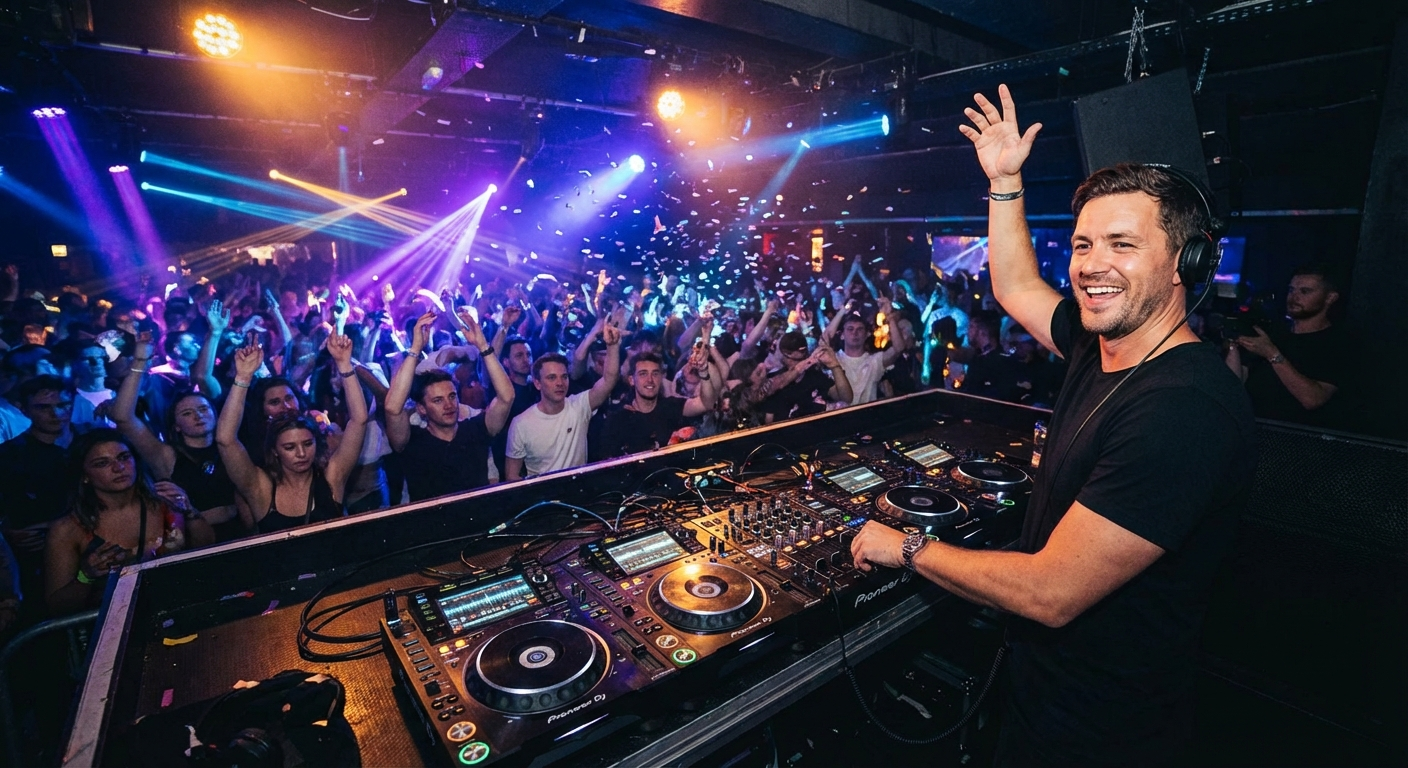
- Hire a Professional DJ: A skilled DJ can read the crowd, make seamless transitions, and create a dynamic and engaging atmosphere. If your budget allows, consider hiring a professional DJ to handle the music for your event. You can even find local DJs using the PartyMusicPlaylist service!
- Use Dynamic Lighting: Complement your music with dynamic lighting effects. Use spotlights, colored lights, and strobes to create a visually stimulating and immersive experience.
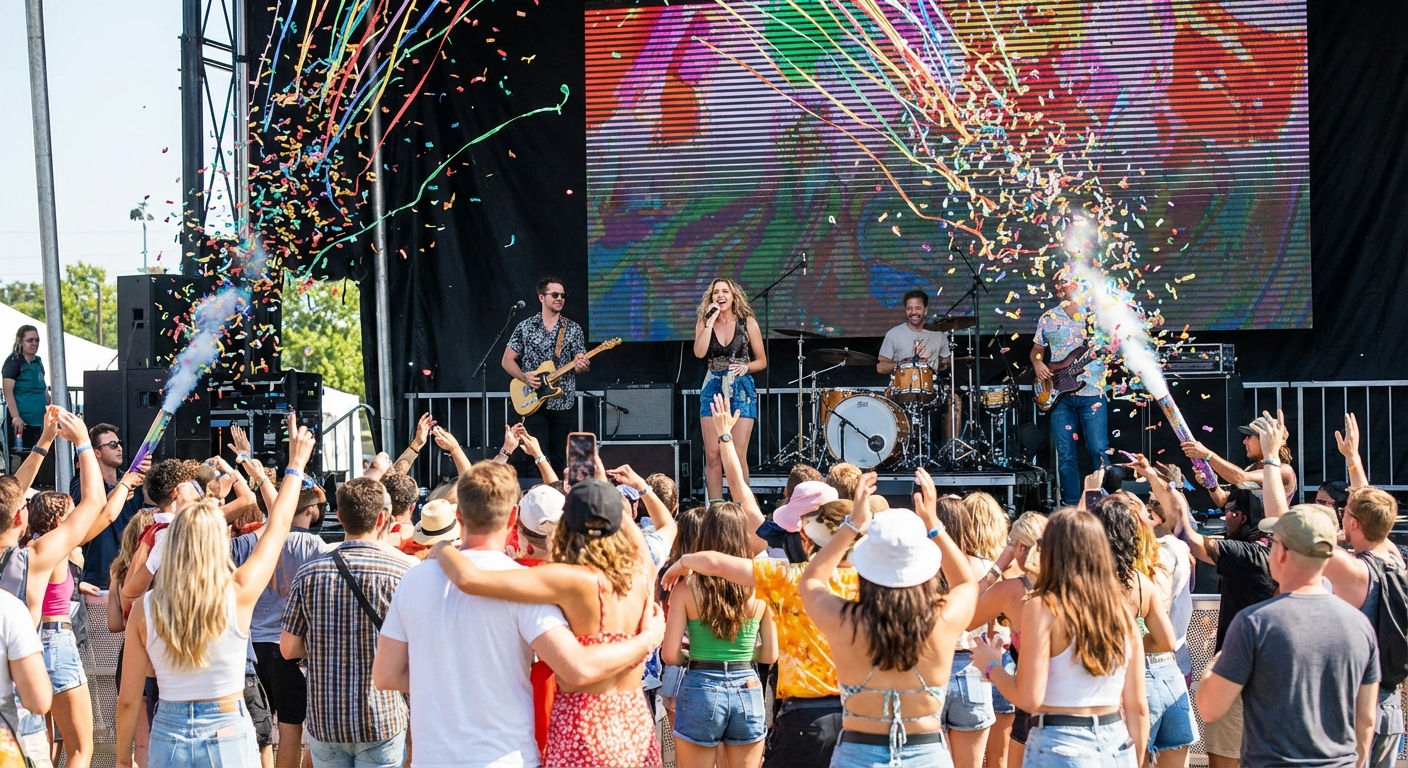
- Incorporate Live Music: Consider incorporating live music into your event, such as a jazz band during cocktail hour or a live band for the dance floor. This can add a unique and memorable touch.
- Create a Signature Sound: Develop a signature sound that reflects the theme and style of your event. This could involve using specific genres, artists, or even creating a custom theme song.
- Don't Be Afraid to Experiment: Don't be afraid to try new things and push the boundaries of your music selection. Experiment with different genres, styles, and artists to create a truly unique and unforgettable experience.
By following these expert tips, you can create an event music timeline that not only meets but exceeds your guests' expectations.
Frequently Asked Questions
PartyMusicPlaylist Team
Helping you create the perfect soundtrack for life's most memorable moments. Expert tips on event music planning, DJ coordination, and playlist curation.
Learn MoreReady to Plan Your Event Music?
Create the perfect playlist for your special event. Search songs, organize your timeline, and share with your DJ.
Get Started FreeRelated Articles
Continue reading