Introduction: The Unsung Hero of Event Success
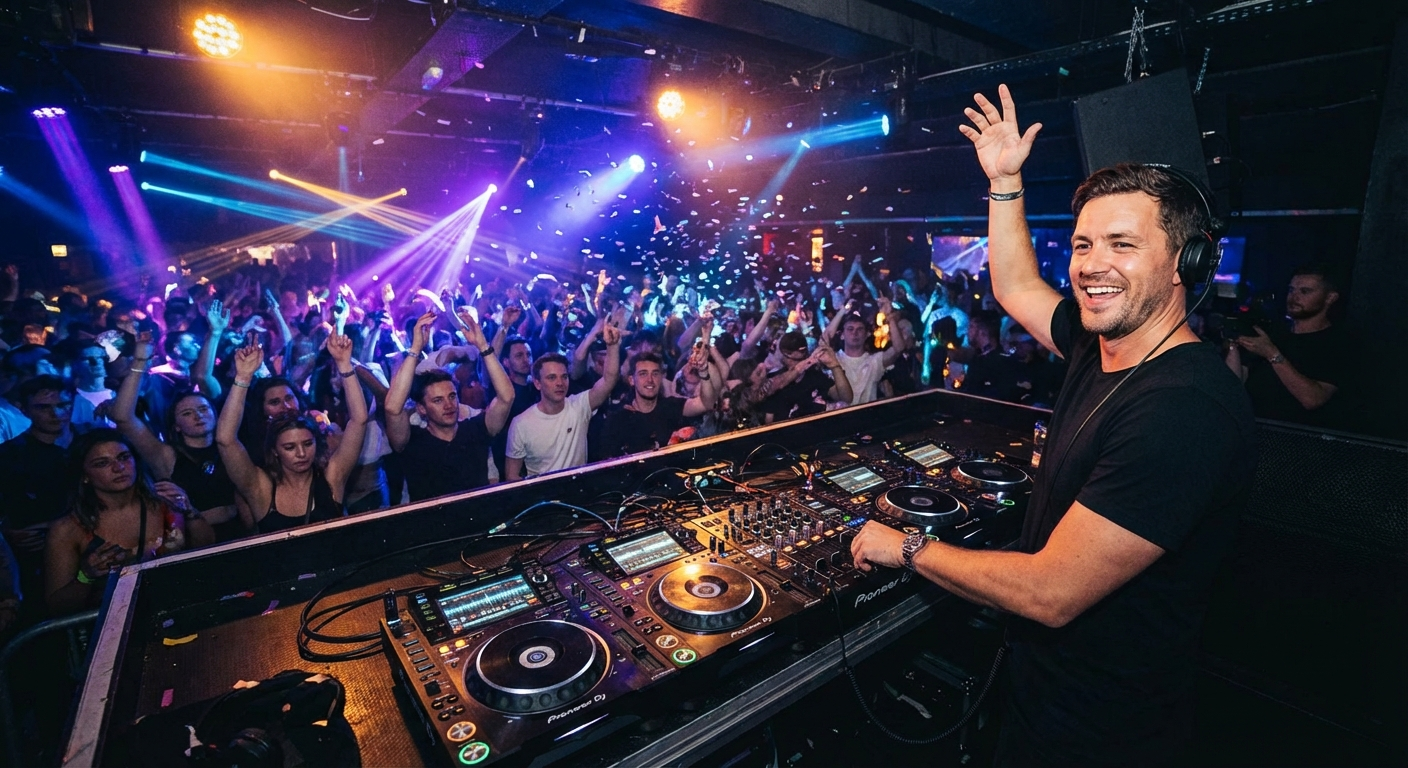
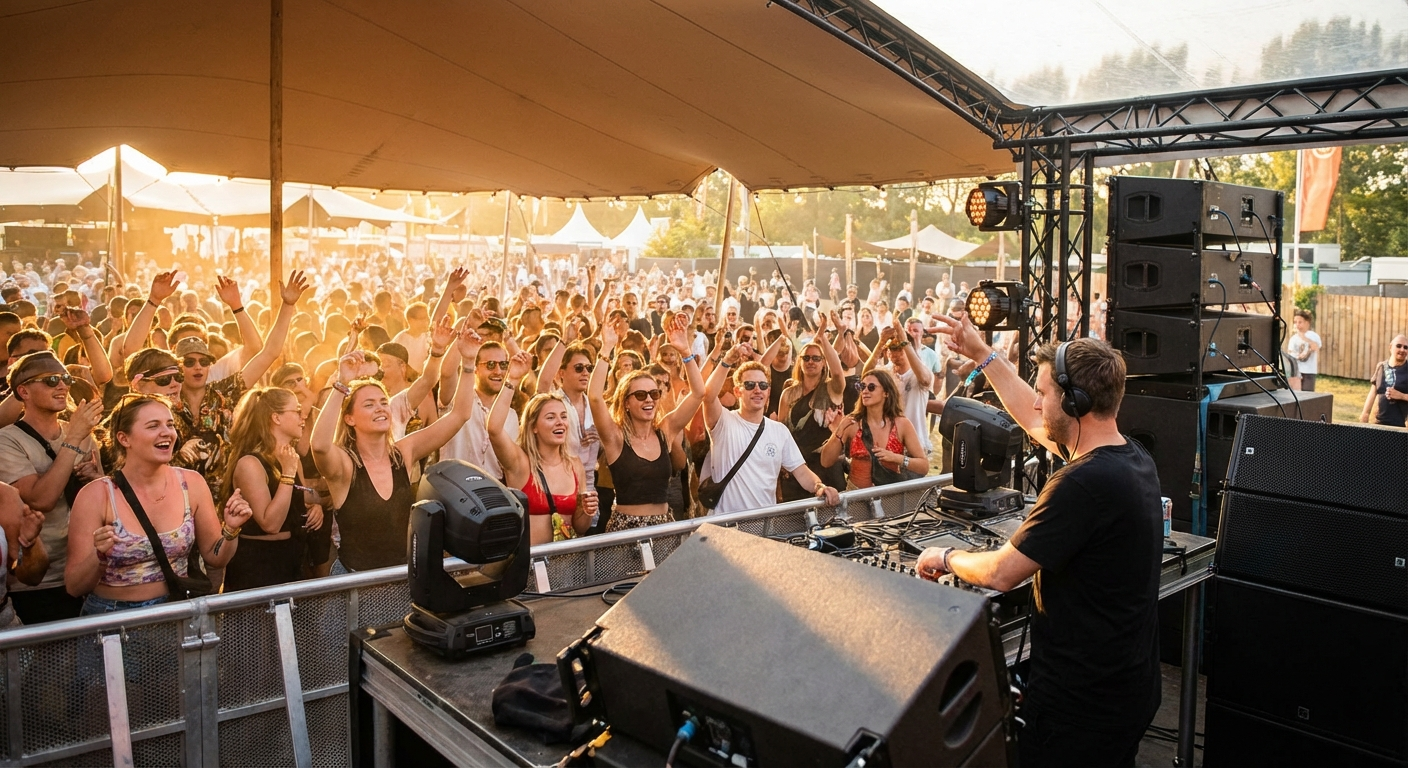
Ever been to a party where the music was either deafening or barely audible? It's a mood killer, right? Getting the event music volume just right is more crucial than you might think. It's not just about playing songs; it's about crafting an atmosphere. The perfect volume sets the tone, encourages dancing, and allows for comfortable conversation. Ignore it at your peril!
In this guide, we'll dive deep into the secrets of mastering event music volume. We're not talking about simply turning the knob. We're talking about understanding the nuances of sound, the psychology of your audience, and the technical tricks that separate amateur DJs from seasoned pros. You'll learn how to control the energy of your event with precision. By the end, you'll have the tools to ensure your next event is a sonic success. Ready to turn up the knowledge?
Here's a sneak peek at what we'll cover:
- Understanding the Decibel (dB) Scale and its relevance to event volume.
- The art of reading the room and adjusting volume accordingly.
- Advanced techniques for creating dynamic volume changes that keep the energy high.
Understanding the Decibel (dB) Scale: More Than Just Numbers
The decibel (dB) scale is the language of sound. It's how we measure sound pressure level, which directly relates to how loud we perceive something to be. But it's not a linear scale; it's logarithmic. This means that an increase of 10 dB represents a tenfold increase in sound intensity and roughly a doubling in perceived loudness! Confused? Don't worry. It’s simpler than it sounds.
Think of it this way: a quiet library might be around 40 dB, while a normal conversation is around 60 dB. A rock concert? That can easily hit 110 dB or higher! Understanding these ranges is crucial for protecting your hearing and creating a comfortable environment for your guests. Prolonged exposure to sounds above 85 dB can cause hearing damage. So, knowing your levels is not just about the vibe – it's about safety. Are you ready to control your event's soundscape?
Here’s a basic dB guide for events:
- 40-50 dB: Background music for cocktail hour or dinner.
- 60-70 dB: Conversational volume for mingling and networking.
- 75-90 dB: Dance floor energy – be mindful of prolonged exposure.
- 90+ dB: Handle with extreme care! Only for short bursts and with ear protection available.
Investing in a sound level meter can be a game-changer. These devices provide real-time dB readings, allowing you to monitor and adjust the volume throughout your event. Many smartphones also have apps that can approximate dB levels, but a dedicated meter is more accurate. Remember, knowledge is power, and in this case, knowledge is sound control!
Reading the Room: The Art of Dynamic Volume Adjustment
The best DJs aren't just playing songs; they're reading the room. This means constantly observing the crowd, gauging their energy levels, and adjusting the music volume accordingly. Are people actively dancing and singing along? Then you can probably afford to crank it up a bit. Are they struggling to have conversations? Time to dial it back.
Pay attention to non-verbal cues. Are people leaning in to hear each other? Are they moving further away from the speakers? These are clear signs that the volume is too loud. Conversely, if people are talking over the music or seem disengaged, it might be time to increase the volume and inject some energy. Adaptability is key.
Consider these scenarios:
- Dinner service: Keep the music low and mellow. Focus on background ambiance.
- After dinner, before dancing: Gradually increase the volume and tempo to build anticipation.
- Peak dance floor hours: Crank it up, but be mindful of distortion and hearing safety.
- Late night wind-down: Lower the volume and switch to more relaxed tracks.
Here are some song suggestions for different phases of an event:
- Dinner Service:
- "At Last" by Etta James — Classic and elegant.
- "Come Away With Me" by Norah Jones — Relaxing and sophisticated.
- "The Nearness of You" by Norah Jones — Perfect for creating a romantic atmosphere.
- Building Anticipation:
- "September" by Earth, Wind & Fire — Gets everyone moving.
- "I Wanna Dance with Somebody (Who Loves Me)" by Whitney Houston — An undeniable dance anthem.
- "Don't Stop Believin'" by Journey — A crowd-pleasing singalong.
- Peak Dance Floor:
- "Uptown Funk" by Mark Ronson ft. Bruno Mars — High-energy and infectious.
- "Yeah!" by Usher ft. Lil Jon & Ludacris — A guaranteed floor-filler.
- "Dancing Queen" by ABBA — Timeless and irresistible.
- Late Night Wind-Down:
- "Wonderwall" by Oasis — A classic singalong for the end of the night.
- "Hallelujah" by Jeff Buckley — Soulful and reflective.
- "Let It Be" by The Beatles — A calming and familiar tune.
Remember, volume is a tool. Use it strategically to guide the energy of your event. Don't be afraid to experiment and adjust as needed. A successful event is one where the music complements the atmosphere, not overpowers it.
Advanced Techniques: Compression, EQ, and Dynamic Range
Beyond simply adjusting the volume knob, there are advanced techniques you can use to fine-tune your event's sound. Understanding compression, equalization (EQ), and dynamic range can elevate your DJ skills and create a more polished and professional sound.
Compression: Taming the Peaks and Valleys
Compression reduces the dynamic range of your music, making the quiet parts louder and the loud parts quieter. This can be useful for creating a more consistent and punchy sound, especially on the dance floor. However, overuse of compression can lead to a "flat" and lifeless sound, so use it sparingly and with intention.
Think of it like this: without compression, a song might have a huge difference in volume between the verses and the chorus. Compression brings those levels closer together, making the verses more audible and the chorus less likely to clip or distort.
Equalization (EQ): Sculpting the Sound
EQ allows you to adjust the frequency balance of your music, boosting or cutting specific frequencies to shape the overall sound. This can be useful for correcting imbalances in the mix, removing unwanted frequencies (like hum or feedback), and enhancing certain elements of the music.
For example, if your sound system is lacking in bass, you can use EQ to boost the low frequencies. Or, if the vocals are getting lost in the mix, you can cut some of the mid-range frequencies to create more space for them. Experiment with EQ to find the sweet spot for your sound system and your music.
Dynamic Range: The Key to Emotional Impact
Dynamic range is the difference between the quietest and loudest parts of a song. A wide dynamic range can create a more emotional and engaging listening experience, while a narrow dynamic range can sound compressed and fatiguing. Be mindful of dynamic range when selecting your music and using compression. Sometimes, a little silence can be just as powerful as a wall of sound.
For example:
"A DJ who understands dynamic range knows when to let the music breathe, allowing for moments of quiet reflection before building back up to a high-energy crescendo."
Mastering these advanced techniques takes time and practice, but the results are well worth the effort. By understanding compression, EQ, and dynamic range, you can transform your event's sound from amateur to professional.
Step-by-Step Guide: Setting Up Your Sound System for Optimal Volume
Properly setting up your sound system is crucial for achieving optimal volume and sound quality at your event. Follow these steps to ensure a smooth and successful setup:
- Choose the Right Equipment: Select speakers, amplifiers, and a mixer that are appropriate for the size and type of venue. Consider the number of guests and the acoustics of the space. Renting professional equipment might be a better option than using your home stereo.
- Position Your Speakers Strategically: Place speakers in locations that will provide even coverage throughout the venue. Avoid placing speakers in corners, as this can create unwanted reflections and standing waves. Experiment with different placements to find the sweet spot.
- Connect Your Equipment Correctly: Use high-quality cables and connectors to ensure a clean and reliable signal path. Double-check all connections before powering on your equipment. A loose connection can cause buzzing, crackling, or complete signal loss.
- Set Your Input Levels: Start with your input levels (e.g., from your laptop or DJ controller) set to a moderate level. Gradually increase the levels until you reach the desired volume. Avoid clipping or distortion.
- Adjust Your Output Levels: Use the master volume control on your mixer to adjust the overall volume of your system. Be mindful of the dB levels and avoid exceeding safe listening limits.
- Test Your Sound: Play a variety of music genres and listen carefully for any imbalances, distortion, or feedback. Adjust your EQ and compression settings as needed to optimize the sound.
- Walk the Venue: Walk around the entire venue and listen to the sound from different locations. Make any necessary adjustments to the speaker placement or volume levels to ensure consistent coverage.
- Monitor the Sound Throughout the Event: Continuously monitor the sound levels and make adjustments as needed to maintain a comfortable and engaging listening experience for your guests.
Remember, a well-set-up sound system is the foundation for a successful event. Take the time to do it right, and your guests will thank you for it. And don't forget to Create Your Playlist with PartyMusicPlaylist to ensure your music selection is just as perfect as your sound setup.
Curating the Perfect Playlist: Songs for Every Moment
A great playlist is more than just a collection of songs; it's a carefully curated journey that takes your guests on an emotional ride. Here are some song suggestions for different moments of your event:
Cocktail Hour: Mellow and Sophisticated
- "Fly Me to the Moon" by Frank Sinatra — Timeless classic for a sophisticated vibe.
- "La Vie en Rose" by Édith Piaf — Adds a touch of Parisian romance.
- "Smooth Operator" by Sade — Effortlessly cool and elegant.
- "The Girl from Ipanema" by Stan Getz & João Gilberto — Relaxing bossa nova rhythms.
- "What a Wonderful World" by Louis Armstrong — Uplifting and heartwarming.
Dinner Music: Background Ambiance
- "Clair de Lune" by Claude Debussy — Beautiful and calming instrumental piece.
- "Canon in D Major" by Johann Pachelbel — Elegant and familiar classical tune.
- "Watermark" by Enya — Ethereal and atmospheric.
- "Weightless" by Marconi Union — Scientifically proven to reduce anxiety.
- "Gymnopédie No. 1" by Erik Satie — Simple and melancholic piano piece.
Dance Floor Anthems: High-Energy Hits
- "Billie Jean" by Michael Jackson — An iconic dance floor filler.
- "Don't Start Now" by Dua Lipa — Modern disco groove.
- "September" by Earth, Wind & Fire — Guaranteed to get everyone moving.
- "I Wanna Dance with Somebody (Who Loves Me)" by Whitney Houston — An undeniable dance anthem.
- "Livin' on a Prayer" by Bon Jovi — A crowd-pleasing singalong.
Late Night Wind-Down: Relaxed Vibes
- "Hallelujah" by Jeff Buckley — Soulful and reflective.
- "Wonderwall" by Oasis — A classic singalong for the end of the night.
- "Let It Be" by The Beatles — A calming and familiar tune.
- "Fast Car" by Tracy Chapman — Introspective and emotional.
- "Landslide" by Fleetwood Mac — Beautiful and nostalgic.
Remember to tailor your playlist to the specific tastes of your audience. Consider sending out a survey or using a tool like PartyMusicPlaylist to gather song requests from your guests before the event. This will ensure that everyone hears something they love.
Controlling the Energy: Volume as a Mood Setter
Volume isn't just about loudness; it's about energy. You can use volume to control the mood and atmosphere of your event, guiding your guests through different emotional states.
Start slow and build up. Begin with low volume during the cocktail hour and dinner service, creating a relaxed and intimate atmosphere. As the evening progresses, gradually increase the volume to build anticipation and excitement. By the time the dance floor opens, you should be at peak volume, ready to unleash the energy.
Use volume to create contrast. Don't be afraid to drop the volume occasionally to create a moment of silence or reflection. This can be particularly effective during a slow dance or a heartfelt speech. The contrast between loud and quiet will make the loud parts feel even more impactful.
Pay attention to the dynamics of the music. Choose songs with a wide dynamic range to create a more engaging and emotional listening experience. A song that gradually builds in intensity will be more effective at raising the energy level than a song that is consistently loud from beginning to end. Remember, the Browse Playlist Templates page can give you some inspiration.
"A skilled DJ is like a conductor, using volume as a baton to orchestrate the emotions of the crowd."
Here are some examples of how to use volume to control the energy:
- During a slow dance: Lower the volume and choose a romantic song with a wide dynamic range.
- During a high-energy dance set: Increase the volume and choose songs with a fast tempo and a strong beat.
- During a toast or speech: Mute the music completely to give the speaker your full attention.
- During a transition between sets: Use a gradual fade-in or fade-out to create a smooth and seamless transition.
Common Mistakes to Avoid: Volume Faux Pas
Even experienced DJs can make mistakes when it comes to event music volume. Here are some common pitfalls to avoid:
- Ignoring the Venue: Every venue has different acoustics. What sounds good in one space might sound terrible in another. Take the time to assess the acoustics of the venue and adjust your sound system accordingly.
- Setting the Volume Too High: It's tempting to crank up the volume, especially during a dance set. But remember, prolonged exposure to loud music can cause hearing damage. Be mindful of safe listening limits and provide earplugs for your guests.
- Not Reading the Room: Pay attention to your audience. Are they enjoying the music, or are they struggling to have conversations? Adjust the volume accordingly.
- Failing to Test Your Sound: Always test your sound system before the event starts. Listen for any imbalances, distortion, or feedback.
- Overusing Compression: Compression can be a useful tool, but overuse can lead to a "flat" and lifeless sound. Use it sparingly and with intention.
- Ignoring Feedback: Feedback is a common problem at live events. Learn how to identify and eliminate feedback quickly.
By avoiding these common mistakes, you can ensure a smooth and successful event with great sound.
Expert Tips & Pro Advice: Mastering the Art of Sound
Here are some expert tips and pro advice to help you master the art of sound at your next event:
- Invest in Quality Equipment: High-quality speakers, amplifiers, and mixers will make a big difference in the overall sound quality.
- Learn About Acoustics: Understanding the principles of acoustics can help you optimize the sound in any venue.
- Practice Your Mixing Skills: The more you practice, the better you'll become at blending songs seamlessly and creating a dynamic and engaging listening experience.
- Get Feedback From Others: Ask friends or colleagues to listen to your mixes and provide feedback.
- Attend Workshops and Seminars: There are many workshops and seminars available that can help you improve your DJ skills.
- Stay Up-to-Date on the Latest Technology: The world of audio technology is constantly evolving. Stay informed about the latest trends and innovations.
- Trust Your Ears: Ultimately, the best way to master the art of sound is to trust your ears and develop your own unique style.
Remember, becoming a great DJ takes time, practice, and dedication. But with the right tools and knowledge, you can create unforgettable sonic experiences for your audience. Consider using PartyMusicPlaylist to help manage song requests from your audience, making it easier to cater to their tastes.
Frequently Asked Questions
PartyMusicPlaylist Team
Helping you create the perfect soundtrack for life's most memorable moments. Expert tips on event music planning, DJ coordination, and playlist curation.
Learn MoreReady to Plan Your Event Music?
Create the perfect playlist for your special event. Search songs, organize your timeline, and share with your DJ.
Get Started FreeRelated Articles
Continue reading