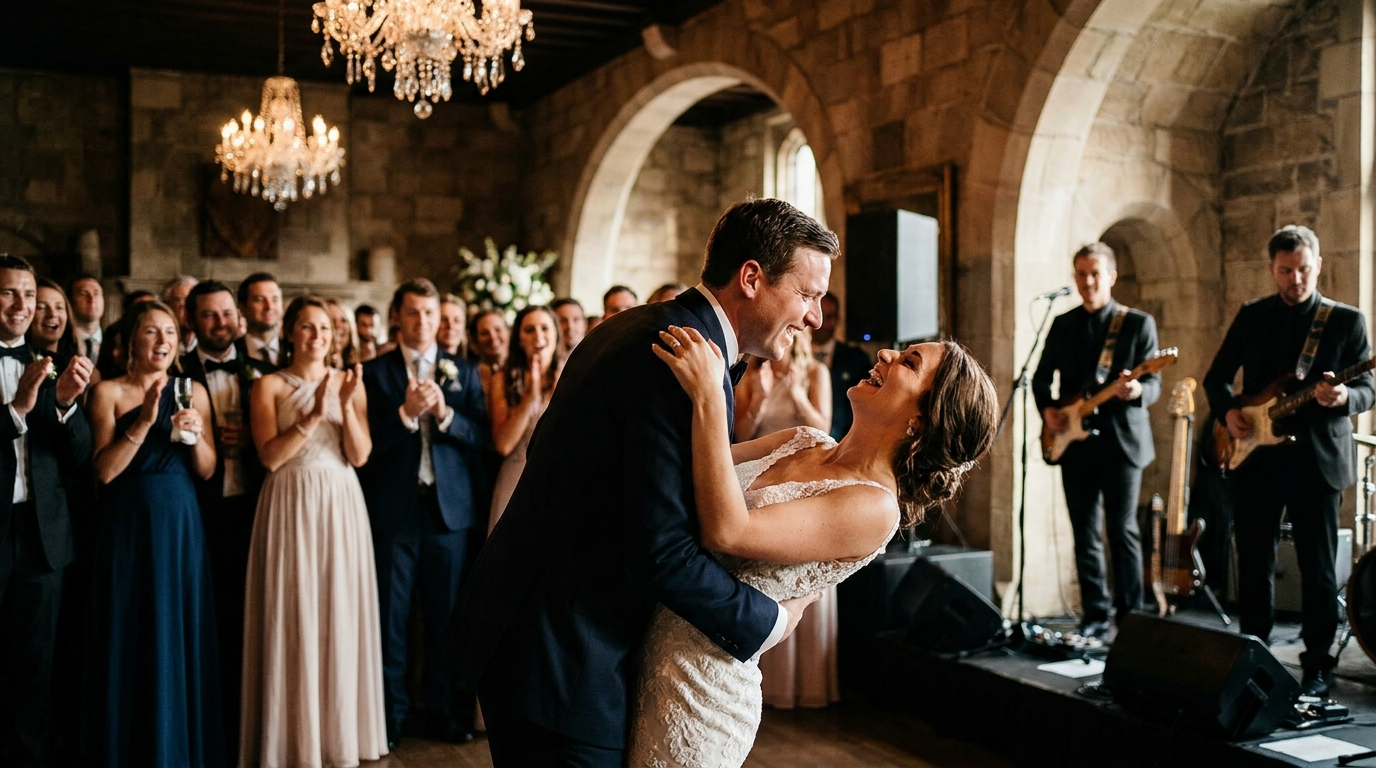
Have you ever been at a party where the music just… died? The energy evaporated, the dance floor cleared, and everyone suddenly remembered they had somewhere else to be? It's a vibe killer, and it often comes down to one simple mistake: failing to read the room music.
As a DJ or party host, your job isn't just to play songs you like. It's about curating an experience, understanding the mood, and selecting tracks that resonate with everyone in attendance. This blog post will equip you with the knowledge to avoid those awkward silences and keep the party going strong. We'll explore specific songs to avoid, strategies for gauging the crowd's reaction, and even offer some go-to tracks for various scenarios. Let's dive in and make sure your next event is a smash hit!
Songs That Can Instantly Kill the Vibe
Certain songs, regardless of their artistic merit, possess the unfortunate ability to completely derail a party's momentum. These tracks often share common characteristics: they're too niche, too slow, too depressing, or simply overplayed to the point of exhaustion. Recognizing these potential vibe killers is the first step in becoming a master of reading the room music.
What kind of songs should you avoid at all costs? Here are some examples:
- "Hurt" by Johnny Cash — Powerful and moving, yes, but hardly the soundtrack to a celebratory gathering. It's a guaranteed downer.
- "Mad World" by Gary Jules — Another beautifully melancholic tune that's perfect for introspection, not dancing.
- Anything by Nickelback — While some might enjoy them ironically, playing Nickelback can be polarizing and potentially kill the positive energy.
- "Wonderwall" by Oasis — Overplayed at every event, and has lost its luster.
- Extremely Obscure Genre-Specific Tracks — Unless you're catering to a very specific niche audience, avoid deep cuts that only a handful of people will recognize.
Beyond specific songs, be wary of entire genres that might not be universally appealing. For example, heavy metal at a wedding reception or bubblegum pop at a biker bar are likely to be missteps. Context is everything!
Decoding the Crowd: How to Read the Room
Reading the room music isn't about mind-reading; it's about observation and responsiveness. Pay close attention to the crowd's reactions to your selections. Are people dancing? Are they singing along? Or are they huddled in corners, checking their phones?
Here's a breakdown of key signals to watch for:
- Dance Floor Activity — The most obvious indicator. A packed dance floor means you're on the right track. An empty one suggests a change is needed.
- Sing-Alongs — People singing along are engaged and enjoying themselves. This is a great sign!
- Body Language — Look for smiles, nodding heads, and tapping feet. These are all positive cues. Frowns, crossed arms, and glazed-over expressions suggest boredom or disinterest.
- Requests — If people are actively requesting songs, listen! It shows they're invested in the music and gives you valuable insights into their preferences. You can even use PartyMusicPlaylist to allow guests to submit their requests in advance!
- Conversations — Are people talking over the music, or are they pausing to listen? Loud conversations can indicate that the music isn't capturing their attention.
Don't be afraid to experiment and adjust your setlist based on these observations. A good DJ is a flexible DJ, always ready to adapt to the changing mood of the room.
Crafting a Dynamic Playlist: Building Blocks for Success
A successful playlist isn't just a random collection of songs; it's a carefully constructed journey that takes the audience on an emotional ride. Think of it as a story with a beginning, middle, and end. You need to build momentum, maintain energy, and then bring things to a satisfying conclusion.
Here's a basic framework for playlist construction:
- Warm-Up (30-60 minutes) — Start with mellow, familiar tunes that encourage people to mingle and ease into the atmosphere. Think classic soul, R&B, or light pop.
- Peak Energy (1-2 hours) — This is where you unleash the bangers! Play high-energy tracks that get people dancing and singing. Focus on popular hits and crowd-pleasers.
- Cool-Down (30-60 minutes) — As the night winds down, transition to slower, more relaxed songs. Think ballads, acoustic versions, or chilled-out electronic music.
- Encore (Optional) — If the crowd is still buzzing, throw in a few final high-energy tracks to send them off with a bang.
Remember to vary the tempo and genre throughout the night to keep things interesting. A constant barrage of the same type of music can become monotonous and lead to fatigue.
Using Technology to Your Advantage: Tools for Playlist Perfection
In today's digital age, there's no shortage of tools to help you create the perfect playlist. From streaming services to playlist creation apps, technology can be a powerful ally in your quest to read the room music.
Here are some useful tools and techniques:
- Streaming Services (Spotify, Apple Music, etc.) — These platforms offer vast libraries of music, curated playlists, and algorithm-based recommendations. Use them to discover new tracks and get inspiration.
- Playlist Creation Apps (like PartyMusicPlaylist!) — These apps allow you to create and manage playlists, collaborate with others, and even solicit song requests from your guests. PartyMusicPlaylist also allows you to export your playlist to various DJ software, making transitions smooth.
- DJ Software (Serato, Traktor, etc.) — If you're a DJ, these programs provide advanced mixing and blending capabilities, allowing you to seamlessly transition between tracks and create a professional-sounding mix.
- Crowd Polling Apps — Consider using a real-time polling app to gauge the crowd's preferences during the event. This allows you to get instant feedback and adjust your setlist accordingly.
Don't be afraid to experiment with different tools and find what works best for you. The goal is to leverage technology to enhance your ability to read the room music and create an unforgettable experience for your audience.
Set the Mood: Songs for Specific Party Scenarios
The type of event significantly dictates the appropriate music. You wouldn't play the same songs at a wedding as you would at a college dance party. Here are some song suggestions tailored to different scenarios:
Wedding Reception
- "September" by Earth, Wind & Fire — A guaranteed crowd-pleaser that gets everyone on the dance floor.
- "I Wanna Dance with Somebody (Who Loves Me)" by Whitney Houston — An iconic anthem of love and celebration.
- "Marry You" by Bruno Mars — A modern classic that perfectly captures the joy of marriage.
- "At Last" by Etta James — A romantic ballad for the first dance.
- "Crazy in Love" by Beyoncé ft. Jay-Z — A fun and energetic track for the after-party.
Birthday Party
- "Happy" by Pharrell Williams — An infectious and upbeat song that sets a positive tone.
- "Don't Stop Me Now" by Queen — A high-energy anthem of pure joy.
- "Uptown Funk" by Mark Ronson ft. Bruno Mars — A funky and irresistible dance track.
- "Dancing Queen" by ABBA — A timeless classic that everyone knows and loves.
- "Celebration" by Kool & The Gang — The perfect song for, well, a celebration!
Corporate Event
- "Walking on Sunshine" by Katrina & The Waves — An upbeat and optimistic song that promotes a positive atmosphere.
- "Rather Be" by Clean Bandit ft. Jess Glynne — A catchy and uplifting dance track.
- "Good as Hell" by Lizzo — An empowering and confident anthem.
- "Can't Stop the Feeling!" by Justin Timberlake — An irresistible dance track that gets everyone moving.
- "Lovely Day" by Bill Withers — A smooth and soulful classic.
The Art of the Transition: Seamlessly Blending Songs
A smooth transition between songs is crucial for maintaining the energy and flow of a party. Abrupt changes can be jarring and disruptive, killing the vibe and sending people scattering.
Here are some tips for seamless transitions:
- Beatmatching — Align the tempos of the two songs to create a smooth and seamless blend. Most DJ software includes beatmatching tools to help you with this.
- Key Matching — Choose songs that are in compatible keys to avoid harmonic clashes.
- Using Effects — Use effects like crossfades, filters, and echoes to create smooth transitions and add interest.
- Anticipation — Give the audience a subtle hint of the next song before it fully kicks in to build anticipation.
- Genre Blending — Smoothly transition between genres by finding songs that share similar elements or tempos.
Practice makes perfect! Experiment with different transition techniques and find what works best for you. The goal is to create a seamless and enjoyable listening experience for your audience. You can even export your playlist from PartyMusicPlaylist to your DJ software to practice!
Avoiding Common Music Mistakes: Don't Be That DJ
Even with the best intentions, it's easy to make mistakes when DJing or curating a party playlist. Here are some common pitfalls to avoid:
- Playing Songs That Are Too Explicit — Be mindful of your audience and avoid playing songs with excessive profanity or offensive content, especially at family-friendly events.
- Ignoring Song Requests — While you can't always play every request, completely ignoring them can make people feel ignored and disrespected.
- Playing the Same Songs Over and Over — Repetition can lead to boredom and fatigue. Keep your playlist fresh and varied.
- Failing to Adjust the Volume — Pay attention to the volume level and adjust it as needed to ensure that the music is neither too loud nor too quiet.
- Taking Too Many Breaks — Long breaks can disrupt the flow of the party. Keep the music going as much as possible.
By avoiding these common mistakes, you can ensure that your music enhances the party atmosphere rather than detracting from it. It's all about reading the room music and catering to the needs and preferences of your audience.
Pro Tips for Mastering the Art of the Party Playlist
Want to take your party playlist skills to the next level? Here are some pro tips to help you become a true master of reading the room music:
- Build a Diverse Music Library — Expand your musical horizons by exploring different genres, artists, and eras. The more music you know, the better equipped you'll be to cater to diverse audiences.
- Stay Up-to-Date on Current Trends — Keep an ear to the ground and stay informed about the latest music trends. This will help you keep your playlist fresh and relevant.
- Attend Other Parties and Events — Observe how other DJs and hosts curate their music selections and learn from their successes and failures.
- Get Feedback from Your Audience — Ask your friends and acquaintances for feedback on your playlists. This will help you identify areas for improvement.
- Trust Your Instincts — Ultimately, the best way to read the room music is to trust your instincts and use your judgment. If something feels right, go with it!
With practice, dedication, and a keen eye for detail, you can master the art of the party playlist and create unforgettable experiences for your audience.
Frequently Asked Questions
PartyMusicPlaylist Team
Helping you create the perfect soundtrack for life's most memorable moments. Expert tips on event music planning, DJ coordination, and playlist curation.
Learn MoreReady to Plan Your Event Music?
Create the perfect playlist for your special event. Search songs, organize your timeline, and share with your DJ.
Get Started FreeRelated Articles
Continue reading