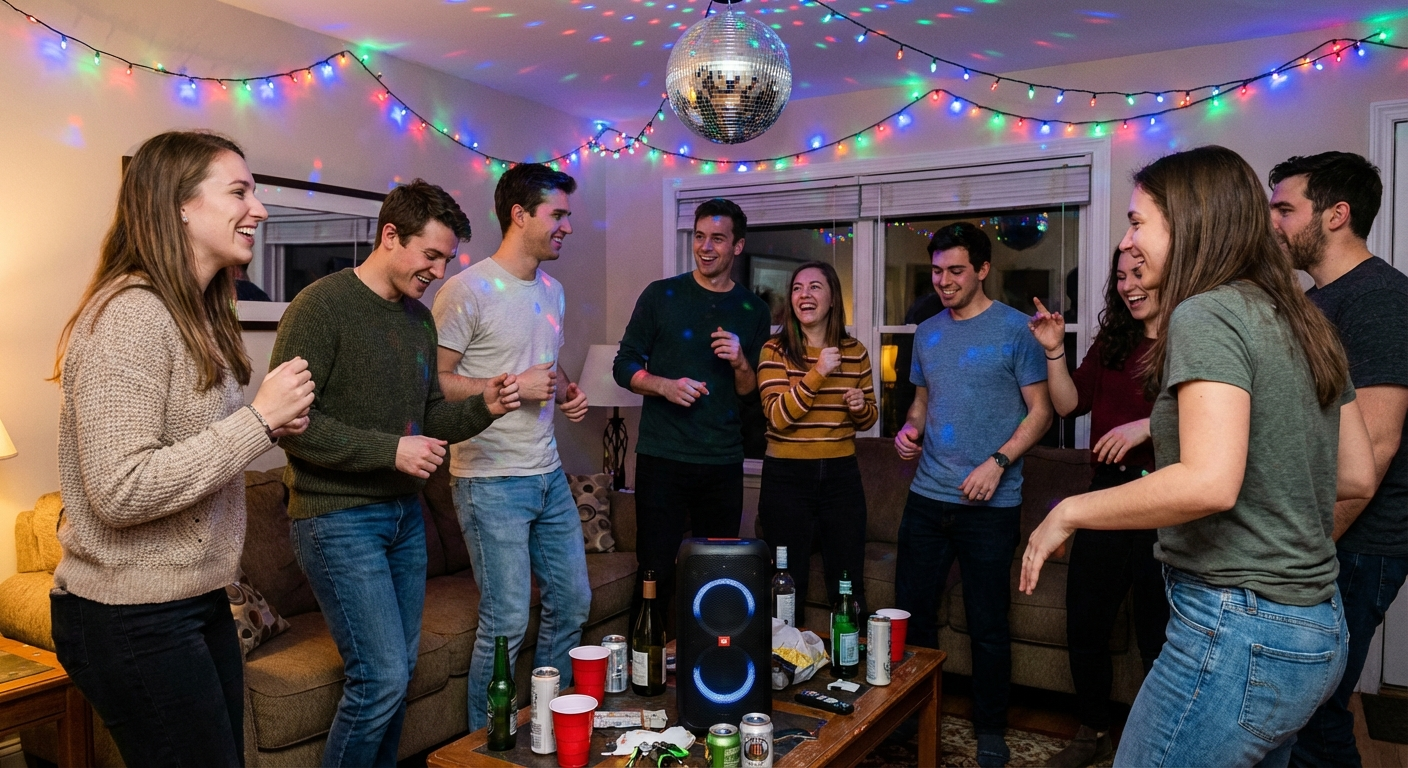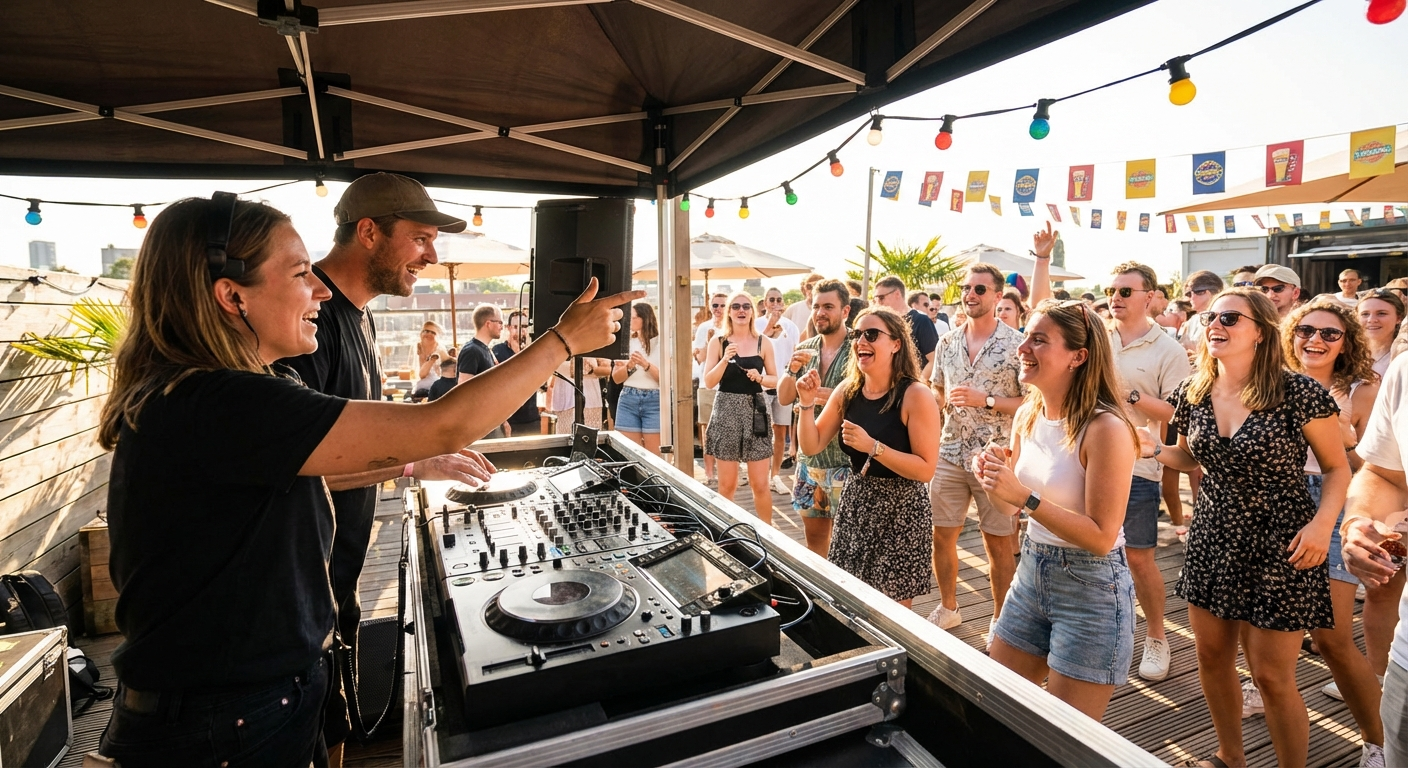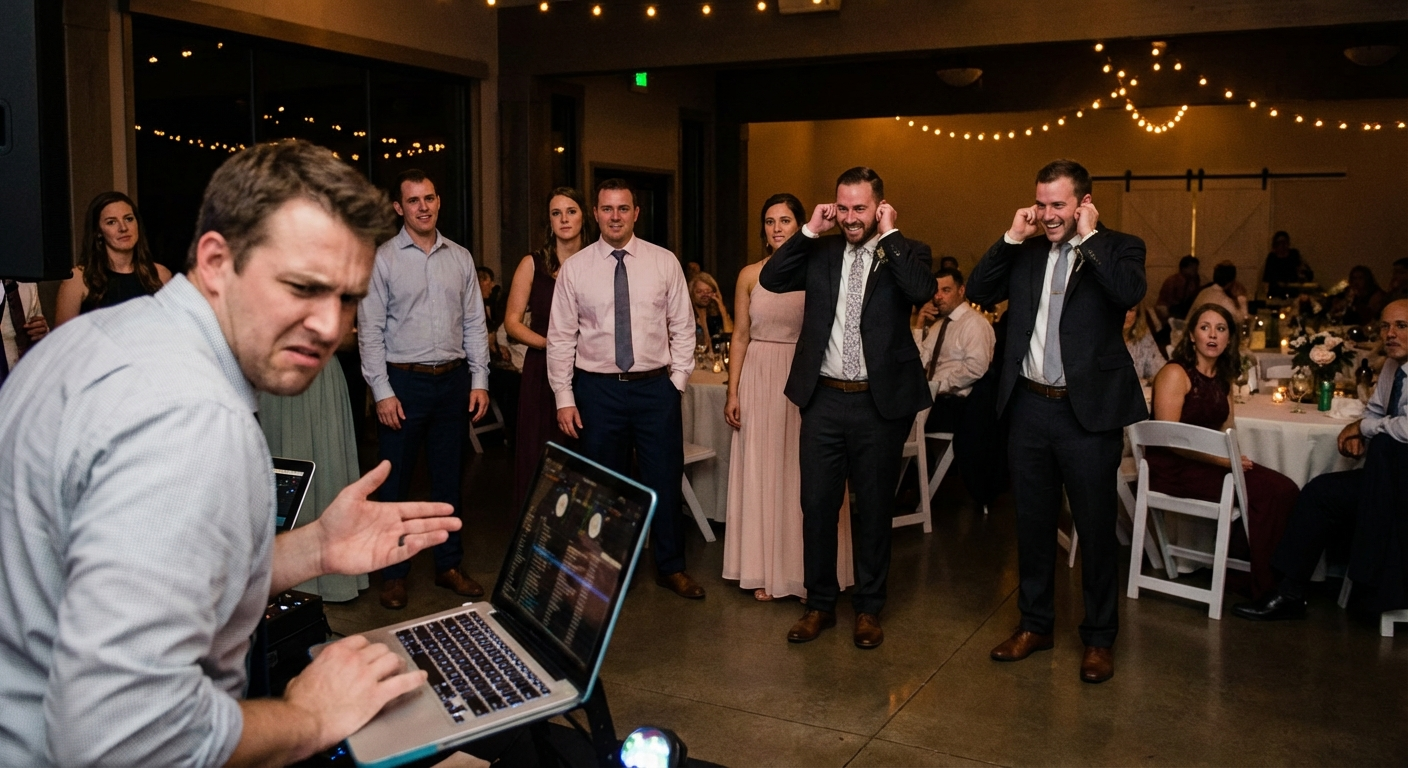
Your wedding day is a once-in-a-lifetime celebration, and the music sets the tone for the entire event. From the processional to the last dance, the soundtrack to your special day creates lasting memories for you and your guests. However, choosing the wrong music can lead to awkward silences, a lackluster dance floor, or even offend your loved ones. Planning wedding music involves more than just throwing together a list of your favorite songs. It's about curating an experience that reflects your style, respects your guests, and keeps the energy high. Are you making any of these common wedding music mistakes?
🎯 Key Takeaways
- Don't forget to cater to a diverse crowd with varying musical tastes.
- Carefully consider song lyrics to avoid unintended messages or awkward moments.
- Ensure your music flows seamlessly throughout the different stages of the wedding.
- Communicate clearly with your DJ or band about your preferences and "do-not-play" list.
- Use PartyMusicPlaylist's free tools to collaborate and create the perfect soundtrack.
Ignoring Your Guests' Musical Tastes
One of the biggest wedding music mistakes is focusing solely on your own preferences and neglecting your guests. While it's your special day, remember that you're hosting a celebration for your friends and family. Playing only obscure indie tracks or heavy metal anthems might leave a large portion of your guests feeling excluded and uninterested. Think about creating a playlist that blends your personal favorites with crowd-pleasing classics that appeal to a wide range of ages and musical tastes.
How do you bridge the gap between your favorite tunes and what will get everyone on the dance floor? Consider these strategies:
- Send out a music request card with your RSVP: This allows guests to suggest songs they'd love to hear, giving you valuable insights into their preferences.
- Incorporate different genres throughout the night: Dedicate certain segments to specific styles, such as a classic rock hour, a Motown set, or a modern pop mix.
- Observe the dance floor: Pay attention to which songs are getting people moving and adjust the playlist accordingly. Your DJ should be able to read the room and make adjustments on the fly.
Here are some examples of songs that tend to be crowd-pleasers across different generations:
- "September" by Earth, Wind & Fire — An undeniable classic that gets everyone grooving.
- "Dancing Queen" by ABBA — Timeless and irresistible, perfect for all ages.
- "Brown Eyed Girl" by Van Morrison — A feel-good anthem that evokes nostalgia.
- "I Wanna Dance with Somebody (Who Loves Me)" by Whitney Houston — An upbeat and energetic choice that fills the dance floor.
- "Don't Stop Believin'" by Journey — A sing-along anthem that unites everyone.
💡 Pro Tip: Don't be afraid to include some guilty pleasures! Those cheesy pop songs that everyone secretly loves can be a huge hit on the dance floor.
Overlooking the Lyrics of Your Chosen Songs
This is a crucial yet often overlooked aspect of wedding music selection. While a song might sound beautiful or have a catchy melody, its lyrics could tell a completely different story — potentially one that's inappropriate or even offensive for a wedding. Imagine playing a song about heartbreak or a messy breakup during your first dance! Always take the time to carefully analyze the lyrics of each song you choose to ensure they align with the celebratory and romantic atmosphere of your wedding.
Here are a few examples of songs that might seem suitable at first glance but have problematic lyrics:
- "Every Breath You Take" by The Police — While seemingly romantic, it's actually about obsessive surveillance.
- "You're Beautiful" by James Blunt — The song is about seeing an ex with someone else, not exactly wedding material.
- "I Will Always Love You" by Whitney Houston — Though beautiful, it's a song about saying goodbye.
To avoid any lyrical mishaps, consider these steps:
- Read the lyrics carefully: Don't just listen to the song; actually read the lyrics to understand the meaning.
- Use lyric websites: Websites like Genius or AZLyrics provide accurate lyrics and often offer interpretations of the song's meaning.
- Ask for a second opinion: If you're unsure about a song's suitability, ask a friend or family member to listen to it and provide their feedback.
💡 Pro Tip: Instrumental versions of songs can be a great way to incorporate your favorite melodies without worrying about the lyrics. Consider using instrumental tracks during cocktail hour or dinner.
Failing to Plan Music for All Parts of the Wedding
Many couples focus on the reception and forget about the other crucial moments of the wedding that require carefully curated music. From the pre-ceremony ambiance to the post-dinner dance party, each segment of your wedding deserves its own unique soundtrack. Failing to plan music for these different parts of the day can lead to awkward silences, mismatched moods, and a disjointed overall experience. What music will you use to create the right atmosphere?
Here's a breakdown of the different parts of a wedding and the types of music that work well for each:
- Pre-Ceremony: Soft, instrumental music sets a calming and romantic tone as guests arrive and find their seats.
- Processional: Choose a song that's meaningful to you as a couple and reflects the solemnity of the moment.
- Recessional: Opt for an upbeat and celebratory song to mark the joy of your union.
- Cocktail Hour: Mellow background music creates a relaxed and social atmosphere.
- Dinner: Soft jazz, acoustic covers, or instrumental music provide a pleasant backdrop for conversation.
- First Dance: Select a song that's special to you as a couple and represents your love story.
- Dance Party: Upbeat and energetic music gets everyone on the dance floor and keeps the party going.
- Last Dance: A slower, more sentimental song provides a perfect ending to the night.
Essential Songs for Different Wedding Moments
- Processional: "Canon in D" by Johann Pachelbel — A timeless and elegant choice.
- Recessional: "Signed, Sealed, Delivered (I'm Yours)" by Stevie Wonder — An upbeat and joyful celebration.
- First Dance: "At Last" by Etta James — A classic and romantic ballad.
- Dance Party: "Uptown Funk" by Mark Ronson ft. Bruno Mars — Guarantees to get everyone moving.
⚠️ Heads Up: Don't underestimate the importance of transition music between different segments of the wedding. Smooth transitions help maintain the flow and energy of the event.
Not Communicating Effectively with Your DJ or Band
Your DJ or band is responsible for bringing your musical vision to life. However, they can't read your mind! Clear and open communication is essential to ensure they understand your preferences, expectations, and "do-not-play" list. Failing to communicate effectively can lead to misunderstandings, disappointments, and a musical experience that doesn't align with your vision. How can you ensure you are both on the same page?
Here are some key areas to discuss with your DJ or band:
- Your musical style: Describe the overall vibe you're going for, including the genres and artists you prefer.
- Your "must-play" list: Provide a list of songs that are essential to your wedding soundtrack.
- Your "do-not-play" list: Clearly identify any songs or genres you want to avoid.
- Specific timings: Discuss the music you want played during specific moments, such as the processional, first dance, and cake cutting.
- Their level of interaction: Clarify how much you want them to interact with the crowd, including announcements and song introductions.
💡 Pro Tip: Provide your DJ or band with a detailed timeline of your wedding day, including all the key moments that require music. This will help them plan their set accordingly.
Underestimating the Importance of Sound Quality
Even the most perfectly curated playlist can fall flat if the sound quality is poor. Crackling speakers, muffled audio, or inconsistent volume levels can ruin the atmosphere and detract from the overall experience. Investing in professional sound equipment and ensuring proper setup is crucial for delivering a high-quality musical experience for you and your guests. Is your venue equipped for your needs?
Here are some factors to consider when evaluating sound quality:
- Speaker quality: Ensure the speakers are high-quality and capable of delivering clear and crisp audio.
- Amplifier power: The amplifier should be powerful enough to fill the venue without distortion.
- Microphone quality: Invest in good-quality microphones for speeches and announcements.
- Sound check: Conduct a thorough sound check before the wedding to identify and resolve any issues.
- Acoustics: Consider the acoustics of the venue and make adjustments as needed to minimize echoes and reverberation.
⚠️ Heads Up: Don't rely solely on the venue's sound system. If you're unsure about its quality, consider renting professional equipment from a reputable vendor. A poor sound system can ruin your perfect song list.
Forgetting to Get the Right Dance Music
A wedding should be a celebration, and part of that is ensuring people are up and dancing – unless you want an empty dance floor! Selecting the right dance music is essential for creating a fun and energetic atmosphere. Don't just stick to slow songs or genres that don't inspire movement.
To get people dancing, think about:
- Popular genres: Include a mix of pop, R&B, hip-hop, and classic rock to cater to different tastes.
- Upbeat tempos: Choose songs with a fast tempo that encourages movement.
- Familiar tunes: Play songs that people know and love, so they're more likely to sing along and dance.
Some dance-floor fillers to consider include:
- "Don't Start Now" by Dua Lipa – A modern disco hit.
- "Yeah!" by Usher ft. Lil Jon & Ludacris – An R&B classic.
- "Mr. Brightside" by The Killers – An indie rock singalong anthem.
- "I Gotta Feeling" by The Black Eyed Peas – An upbeat party anthem.
💡 Pro Tip: Pay attention to the energy levels throughout the night. Start with some moderate-tempo songs to warm up the crowd, then gradually increase the energy as the night progresses. PartyMusicPlaylist can help with that!
Ignoring the Flow of the Music
The music at your wedding should tell a story, guiding your guests through the different emotions and moments of the day. A haphazard collection of songs, without any thought to flow and transitions, can feel jarring and disjointed. Pay attention to the order of your songs and how they transition from one to another. Consider these points:
- Tempo changes: Avoid sudden shifts in tempo that can disrupt the energy of the dance floor. Gradually increase or decrease the tempo to create a smoother transition.
- Genre mixing: Be mindful of mixing genres that clash. If you're transitioning from a pop set to a country set, consider playing some songs that bridge the gap.
- Key changes: Avoid songs that are in drastically different keys, as this can sound dissonant.
Consider using DJ software or a professional DJ who is skilled at beatmatching and blending songs seamlessly. Sites like PartyMusicPlaylist can help you organize your song list!
Creating a playlist is more than throwing songs together. It's about crafting a sonic narrative that enhances the atmosphere and creates lasting memories.
Frequently Asked Questions
PartyMusicPlaylist Team
Helping you create the perfect soundtrack for life's most memorable moments. Expert tips on event music planning, DJ coordination, and playlist curation.
Learn MoreReady to Plan Your Event Music?
Create the perfect playlist for your special event. Search songs, organize your timeline, and share with your DJ.
Get Started FreeRelated Articles
Continue reading