Planning your wedding is an exciting journey, filled with dreams of a perfect day. From the dress to the venue, every detail matters. But one aspect that often gets overlooked, or worse, poorly executed, is the wedding music. The music sets the tone, evokes emotions, and keeps the party going. Making wedding music mistakes can derail your celebration faster than you can say "I do." Let's dive into some common pitfalls and, more importantly, how to avoid them, ensuring your wedding soundtrack is as unforgettable as your vows!
🎯 Key Takeaways
- Avoid playing overly explicit or controversial songs that might offend guests.
- Ensure your music selection reflects both your and your partner's tastes.
- Don't forget to cater to different generations and musical preferences.
- Plan your music for all key moments, from the ceremony to the last dance.
- Test your sound system and equipment ahead of time to avoid technical issues.
Ignoring Your Guests' Musical Tastes
One of the biggest wedding music mistakes you can make is focusing solely on your own musical preferences. While it's your special day, remember that your guests are there to celebrate with you. Playing only what you love might leave many feeling excluded or bored.
Think about your guest list. Are there diverse age groups? Different cultural backgrounds? Consider what kind of music will appeal to a broad range of people.
How do you solve this? A great solution is to incorporate a song request system. Use your wedding website or even physical cards at the reception to gather song suggestions from your guests. This way, you can get a feel for what people want to hear and tailor your playlist accordingly. Create Your Playlist with PartyMusicPlaylist, and easily collect guest requests!
Another approach is to create a playlist that blends your personal favorites with crowd-pleasing classics. Think about genres that are generally well-received, like Motown, classic rock, or upbeat pop.
- Mix it up! Don't be afraid to include a variety of genres to keep things interesting.
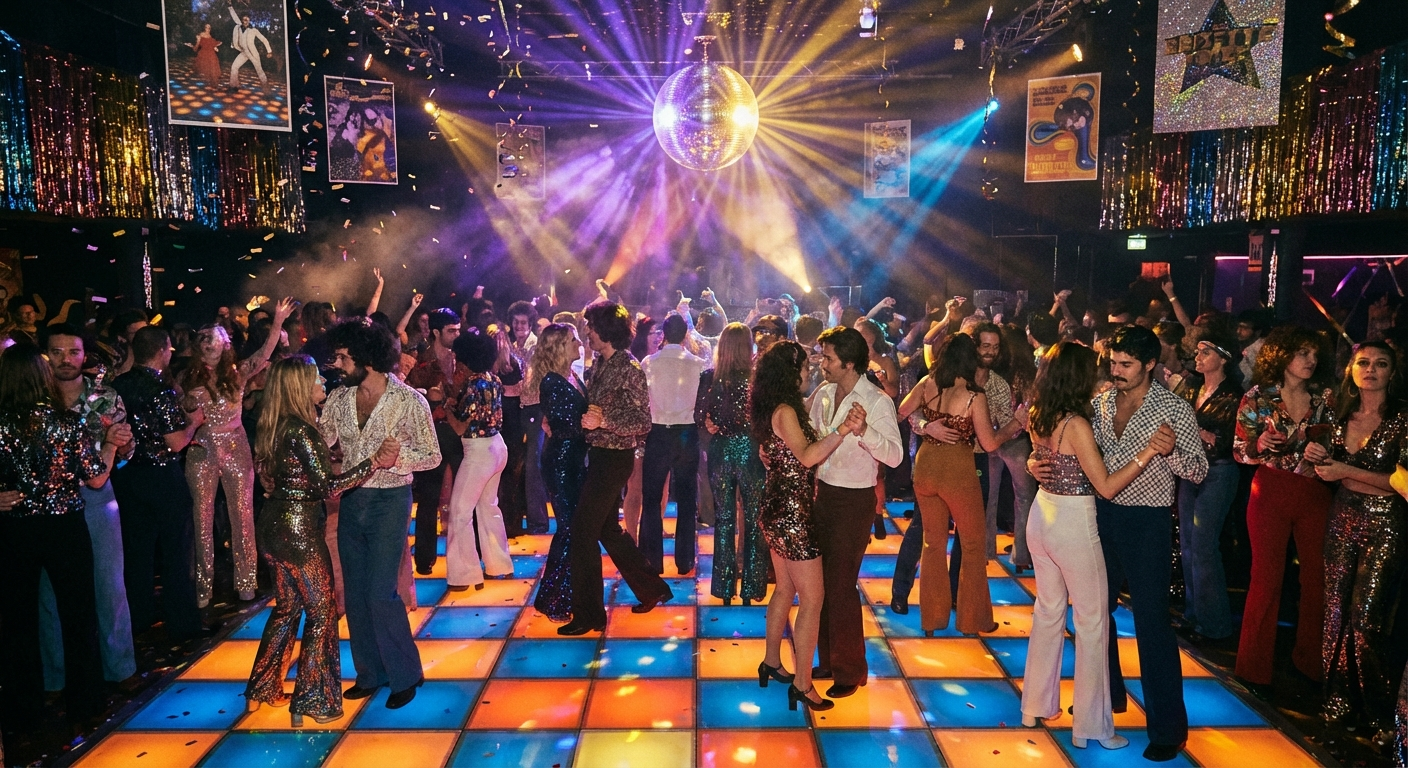
Here are a few song ideas that tend to be crowd-pleasers:
- "September" by Earth, Wind & Fire — An absolute classic that gets everyone on the dance floor.
- "Dancing Queen" by ABBA — Timeless and irresistible.
- "Brown Eyed Girl" by Van Morrison — A feel-good tune that appeals to all ages.
💡 Pro Tip: Consider creating different playlists for different parts of the evening. A more mellow playlist for dinner, and a high-energy playlist for dancing.
Forgetting Music for Key Moments
Your wedding day is filled with significant moments, each deserving of its own carefully chosen soundtrack. One of the most glaring wedding music mistakes is failing to plan music for these key events.
Think about the ceremony itself. What song will play as you walk down the aisle? What about during the signing of the register? And the recessional as you exit as a married couple? These moments are deeply emotional and deserve music that reflects that.
Then, consider the reception. You'll need music for the first dance, the father-daughter dance, and any other special dances you might have planned. What about the cake cutting? The bouquet toss? Each of these events should have a song that complements the mood and adds to the celebration.
Failing to plan these moments can lead to awkward silences or, even worse, the DJ or band playing something completely inappropriate.
Here are some popular song choices for key wedding moments:
- Walking Down the Aisle: "Canon in D" by Johann Pachelbel (classic and elegant).
- First Dance: "At Last" by Etta James (a timeless romantic choice).
- Father-Daughter Dance: "My Girl" by The Temptations (sweet and sentimental).
To avoid this mistake, sit down with your partner and create a detailed timeline of your wedding day. For each key moment, brainstorm song options that resonate with you both. Don't be afraid to get creative and choose songs that are meaningful to your relationship.
Choosing Explicit or Offensive Music
This might seem obvious, but you'd be surprised how often this wedding music mistake occurs. Playing music with explicit lyrics or offensive themes at your wedding is a surefire way to make guests uncomfortable and create a negative atmosphere.
Remember, your wedding is a celebration of love and unity. You want to create an environment where everyone feels welcome and respected. Playing songs with explicit language, violent imagery, or sexist undertones can alienate guests and even spark controversy.
Always carefully review the lyrics of any song you're considering for your wedding playlist. Even if you personally enjoy a particular song, ask yourself if it's appropriate for a mixed audience that includes children, grandparents, and people from diverse backgrounds.
There are plenty of great songs out there that are fun, upbeat, and appropriate for all ages. Focus on those!
- Double-check lyrics: Use online resources to verify lyrics.
Here are some examples of songs that might be best avoided at a wedding:
- Songs with excessive swearing or sexually suggestive content.
- Songs that promote violence or drug use.
- Songs with lyrics that could be interpreted as offensive or discriminatory.
Not Considering the Volume
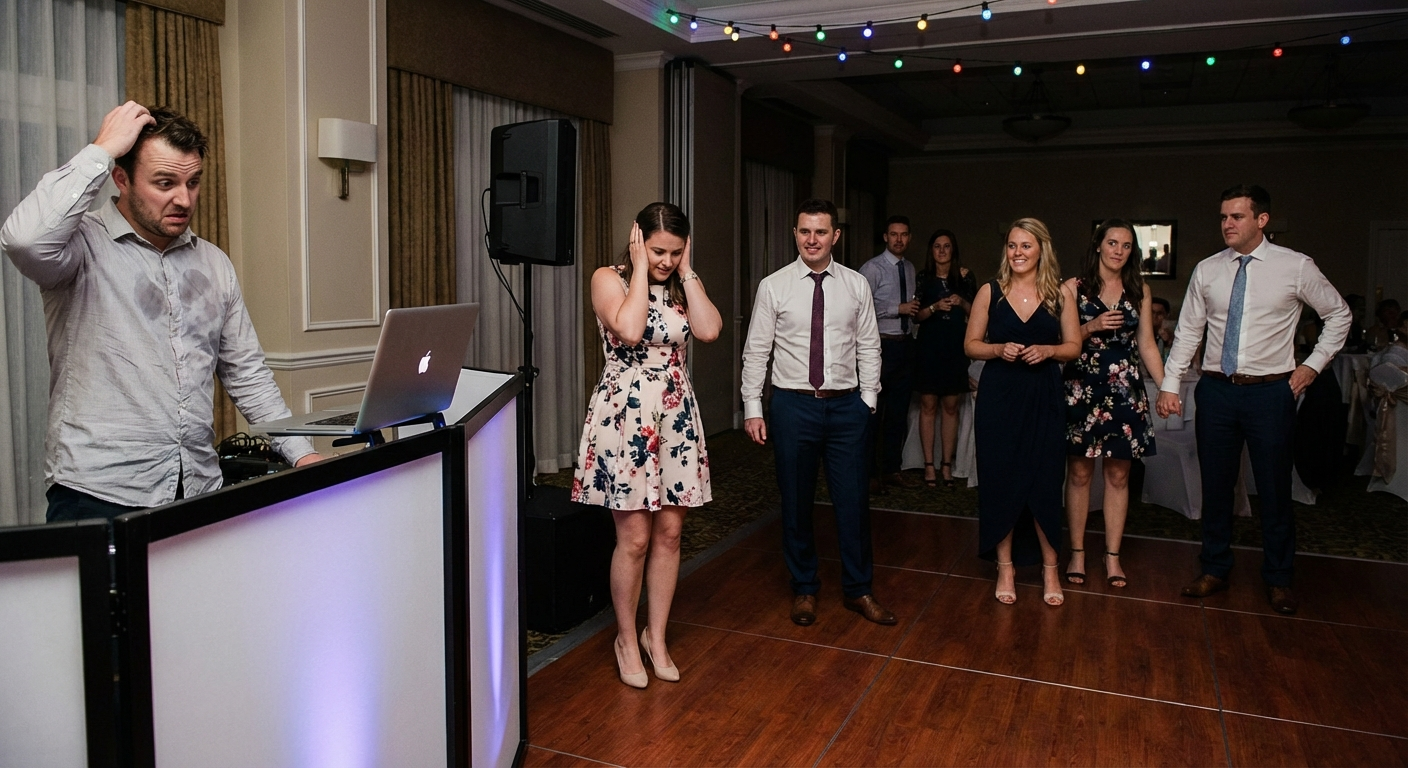
Another common oversight is the volume level. It's a delicate balance: you want the music to be loud enough to create a fun atmosphere, but not so loud that guests can't hear each other talk or that it becomes painful. Too loud, and people will leave the dance floor and the reception early.
Consider the size and acoustics of your venue. A large, open space will require more volume than a smaller, more intimate setting. Also, think about the placement of the speakers. Are they positioned in a way that distributes the sound evenly, or are they blasting directly into certain areas?
Walk around the venue during the setup to get a feel for the sound levels in different areas. Ask your DJ or band to adjust the volume as needed to ensure that everyone can enjoy the music without feeling overwhelmed.
Also, remember that the volume level might need to be adjusted throughout the evening. During dinner, you'll want the music to be softer so that guests can easily converse. As the night progresses and the dancing begins, you can gradually increase the volume to create a more energetic atmosphere.
- Test the sound system: Before the event, test the sound system to make sure it's working properly and that the volume can be adjusted easily.
- Monitor the volume: Throughout the evening, keep an ear on the volume level and make adjustments as needed.
Failing to Communicate with Your DJ or Band
Your DJ or band is a crucial part of your wedding entertainment. They're responsible for keeping the music flowing, setting the mood, and getting people on the dance floor. One of the biggest wedding music mistakes is failing to communicate your vision to them effectively.
Before the wedding, schedule a meeting with your DJ or band to discuss your musical preferences, your must-play songs, and your do-not-play songs. Provide them with a detailed playlist and a timeline of the evening, including any special requests or announcements.
Be clear about the vibe you're going for. Do you want a high-energy dance party, or a more relaxed and sophisticated atmosphere? The more information you provide, the better they'll be able to tailor their performance to your needs.
Don't be afraid to ask questions and express any concerns you might have. This is your chance to ensure that your DJ or band is on the same page as you and that they understand your expectations.
PartyMusicPlaylist offers an easy way to share your finalized playlist with your DJ! This can save time and ensure everyone is on the same page.
If you're hiring a band, discuss their setlist in advance and make sure they're willing to learn any special songs you want them to perform. If you're hiring a DJ, ask about their experience with weddings and their ability to read the crowd and keep the dance floor packed.
Clear communication with your DJ or band is key to ensuring that your wedding music is exactly what you envisioned. Don't leave anything to chance!
Not Having a Backup Plan
Murphy's Law states that anything that can go wrong will go wrong. That's why it's essential to have a backup plan for your wedding music. Technology can be unreliable, and even the best-laid plans can sometimes go awry.
What happens if your DJ's equipment malfunctions? What if the power goes out? What if your band's lead singer gets sick? These are all scenarios that could potentially disrupt your wedding entertainment.
To avoid disaster, have a backup playlist ready to go on a laptop or smartphone. Make sure someone is designated to play the music in case of an emergency. It's also a good idea to have a portable speaker on hand. You might even consider having a second DJ or band on standby.
Another important aspect of your backup plan is to ensure that you have all the necessary cables, adapters, and power cords. It's also a good idea to test your equipment in advance to identify any potential problems.
Here's a checklist for creating a solid backup plan:
- Backup playlist: Create a playlist of your favorite songs on a laptop or smartphone.
- Designated music person: Assign someone to play the music in case of an emergency.
- Portable speaker: Have a portable speaker on hand.
- Extra equipment: Bring extra cables, adapters, and power cords.
- Test equipment: Test your equipment in advance.
Ignoring the Flow of the Evening
Your wedding music should flow seamlessly throughout the evening, creating a cohesive and enjoyable experience for your guests. One of the wedding music mistakes is failing to consider the overall flow of the event and choosing music that clashes with the mood or atmosphere.
Think about how the music will transition from the ceremony to the cocktail hour to the dinner reception to the dance floor. Each of these phases requires a different type of music. You'll want something elegant and understated for the ceremony, something upbeat and social for the cocktail hour, something mellow and relaxing for dinner, and something high-energy and danceable for the dance floor.
Work with your DJ or band to create a playlist that builds in intensity throughout the evening. Start with softer, more background-friendly music and gradually increase the tempo and volume as the night progresses.
Also, consider the pacing of the music. Don't play too many slow songs in a row, or you'll risk losing the momentum. Alternate between upbeat and slower songs to keep people engaged and on the dance floor.
Here's an example of how you might structure your wedding music throughout the evening:
- Ceremony: Classical music, acoustic songs, instrumental pieces.
- Cocktail Hour: Jazz, light pop, background music.
- Dinner: Soft rock, acoustic covers, mellow tunes.
- Dance Floor: Upbeat pop, funk, Motown, classic rock.
⚠️ Heads Up: Avoid abrupt changes in tempo or genre that can disrupt the flow of the evening.
Frequently Asked Questions
PartyMusicPlaylist Team
Helping you create the perfect soundtrack for life's most memorable moments. Expert tips on event music planning, DJ coordination, and playlist curation.
Learn MoreReady to Plan Your Event Music?
Create the perfect playlist for your special event. Search songs, organize your timeline, and share with your DJ.
Get Started FreeRelated Articles
Continue reading