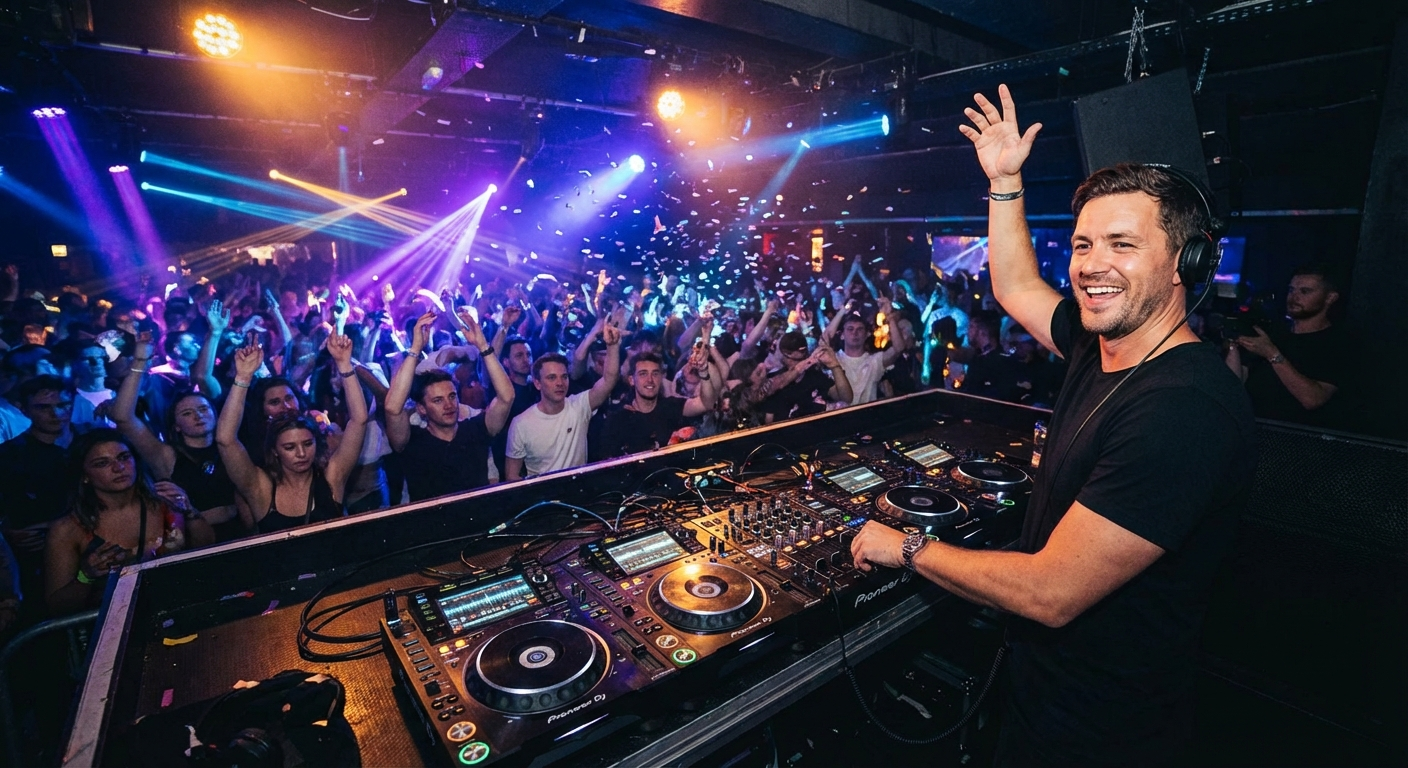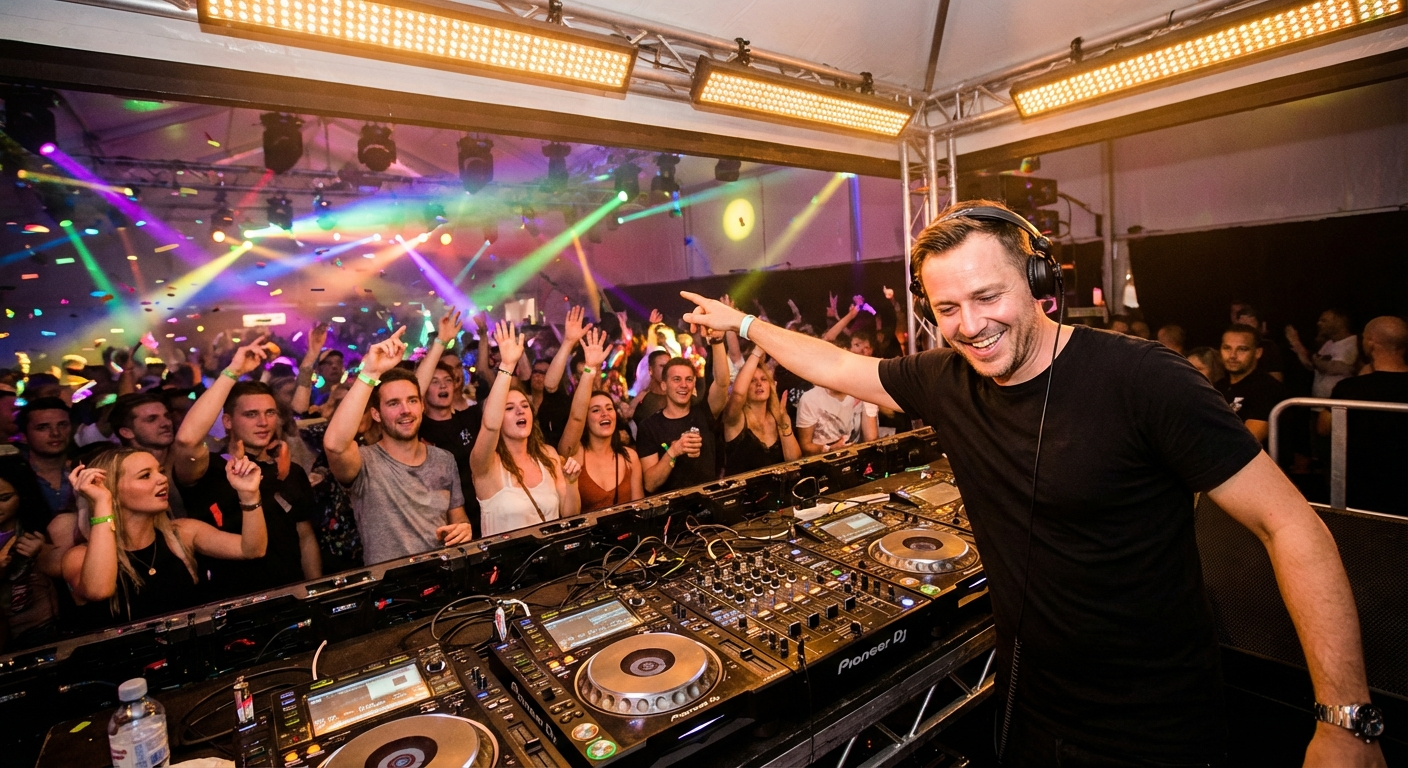
So, you want to learn how to DJ a party and keep the dance floor packed all night long? It's more than just hitting "play" – it's about creating an unforgettable experience for your guests. From reading the crowd to mastering smooth transitions, there's a lot that goes into becoming a great party DJ. Luckily, you've come to the right place. In this guide, we'll uncover the surprising secrets that separate amateur DJs from party-rocking pros. We'll cover everything from song selection and beatmatching to creating the perfect atmosphere. By the end, you'll have all the tools you need to throw an absolutely EPIC party and keep everyone moving until the early hours!
🎯 Key Takeaways
- Learn the importance of song selection and how to build a playlist that caters to your audience.
- Master essential DJ techniques such as beatmatching, mixing, and blending tracks seamlessly.
- Discover how to read the crowd and adjust your music selection to keep the energy high.
- Understand the role of equipment, from controllers to software, and how to optimize your setup.
- Explore strategies for creating a unique atmosphere with lighting, sound, and audience interaction.
Essential Equipment for Aspiring Party DJs
Before you can even think about mastering the art of how to DJ a party, you'll need the right tools. Don't worry, you don't need to break the bank to get started. The key is to invest in equipment that will help you learn the fundamentals and grow as a DJ. Let's break down the essential gear:
DJ Controller
A DJ controller is your primary interface for mixing music. It emulates the traditional setup of two turntables and a mixer, but in a more compact and user-friendly format. Look for a controller with:
- Jog wheels for scratching, cueing, and beatmatching.
- EQ knobs to adjust the highs, mids, and lows of each track.
- Channel faders to control the volume of each track.
- Crossfader to transition between tracks smoothly.
- Headphone output for monitoring your mixes.
Popular beginner-friendly controllers include the Pioneer DJ DDJ-200 and the Numark Party Mix II. These are affordable and offer all the essential features you need to start mixing.
DJ Software
Your controller will need to connect to DJ software on your computer. Popular options include:
- Serato DJ Lite/Pro: Industry standard, user-friendly interface.
- TRAKTOR PRO 3: Known for its advanced features and customization options.
- rekordbox DJ: Integrates seamlessly with Pioneer DJ equipment.
Most controllers come bundled with a "Lite" version of one of these software options, which is perfect for learning the ropes. As you become more advanced, you can upgrade to the "Pro" version for additional features.
Headphones
Good quality headphones are crucial for accurate beatmatching. Look for headphones that:
- Are closed-back to block out external noise.
- Have a wide frequency response to accurately reproduce the music.
- Are comfortable to wear for extended periods.
The Audio-Technica ATH-M50x are a great all-around choice for beginner DJs.
Speakers
You'll need a sound system to play your music for the party. If you're just starting out, you can use your home stereo system or a portable Bluetooth speaker. However, if you want to really impress your guests, consider investing in a pair of powered PA speakers. These are designed for high-volume playback and will deliver a much fuller and clearer sound.
💡 Pro Tip: Don't forget about cables! Make sure you have all the necessary cables to connect your controller, headphones, and speakers.
Crafting the Perfect Party Playlist: Song Selection Secrets
The music you play is the heart and soul of any party. Knowing how to DJ a party means mastering the art of song selection. A well-curated playlist can make or break the atmosphere. Here's how to create a playlist that will keep your guests dancing all night long:
Know Your Audience
The most important factor in song selection is understanding your audience. Consider:
- Age range: What kind of music did they grow up listening to?
- Musical preferences: What genres do they typically enjoy?
- The occasion: Is it a birthday party, a wedding, or just a casual get-together?
If you're unsure, ask the host for some guidance or do a little research on the guests.
Build a Diverse Playlist
While it's important to cater to your audience's preferences, you also want to keep things interesting by mixing in different genres and styles. Aim for a playlist that includes:
- Popular hits: Songs that everyone knows and loves.
- Throwbacks: Classic tracks that will bring back memories.
- Genre-specific selections: Music that fits the theme of the party (e.g., hip-hop, R&B, country).
- Unexpected gems: The occasional wildcard track that will surprise and delight your guests.
Structure Your Playlist for the Night
Think of your playlist as a journey. You want to start slow, build the energy, and then bring it back down towards the end of the night.
- Start with mellow, upbeat tracks to get people in the mood.
- Gradually increase the tempo and energy as the night progresses.
- Introduce some peak-time bangers to get everyone on the dance floor.
- Wind down with slower, more emotional songs towards the end of the night.
💡 Pro Tip: Use a tool like PartyMusicPlaylist to easily drag and drop songs, collaborate with friends, and keep your playlist organized. Create Your Playlist today!
Essential Party Anthems
- "September" by Earth, Wind & Fire — A guaranteed crowd-pleaser that gets everyone moving.
- "Don't Stop Me Now" by Queen — An energy-boosting anthem that's perfect for the peak of the party.
- "Uptown Funk" by Mark Ronson ft. Bruno Mars — An irresistible funk groove that fills the dance floor.
Mastering the Art of Beatmatching and Smooth Transitions
Knowing how to DJ a party requires mastering the technical skills that allow you to seamlessly blend tracks together. Beatmatching and smooth transitions are the key to keeping the music flowing and the energy high.
Understanding Beatmatching
Beatmatching is the process of synchronizing the tempos of two songs so that they play in time with each other. This allows you to transition between tracks without any jarring changes in rhythm. Here's how to do it:
- Identify the BPM (beats per minute) of both tracks. Most DJ software will display the BPM of each song.
- Adjust the pitch fader on your controller to match the BPM of the incoming track to the BPM of the currently playing track.
- Use the jog wheels to nudge the incoming track forward or backward until the beats are perfectly aligned.
- Listen carefully through your headphones to ensure that the beats are locked in.
Creating Smooth Transitions
Once you've beatmatched your tracks, you can start to transition between them smoothly. Here are a few techniques you can use:
- Fader transition: Gradually slide the crossfader from one side to the other to blend the two tracks together.
- EQ mixing: Use the EQ knobs to gradually introduce the highs, mids, and lows of the incoming track while simultaneously removing them from the outgoing track.
- Filter sweeps: Use the filter knob to create a dramatic build-up or drop as you transition between tracks.
⚠️ Heads Up: Don't overdo the transitions! Sometimes a simple fader transition is all you need. The goal is to keep the music flowing, not to show off your DJ skills.
Practice Makes Perfect
Beatmatching and smooth transitions take practice. Don't get discouraged if you don't get it right away. The more you practice, the better you'll become. Start by practicing with simple, four-on-the-floor tracks and gradually work your way up to more complex songs.
Reading the Crowd: Adapting to the Energy of the Party
The best DJs are not just technically skilled, they're also great observers. Knowing how to DJ a party requires learning to read the crowd and adjusting your music selection accordingly. This is an art in itself, and it's what separates a good DJ from a truly great one.
Pay Attention to Body Language
Watch how your guests are reacting to the music. Are they dancing and smiling? Are they singing along? Or are they standing around looking bored? Their body language will tell you everything you need to know.
Observe the Dance Floor
The dance floor is your best indicator of what's working and what's not. If the dance floor is packed, you're doing something right. If it's empty, you need to change things up. Here are some things to look for:
- Number of dancers: How many people are actively dancing?
- Energy level: Are the dancers engaged and enthusiastic, or are they just going through the motions?
- Demographics: Are there any specific groups of people who seem to be enjoying the music more than others?
Don't Be Afraid to Experiment
If you're not getting the reaction you want, don't be afraid to try something different. Switch genres, change the tempo, or throw in a wildcard track. The key is to be flexible and adaptable.
💡 Pro Tip: Have a "request" folder ready with a variety of popular songs. This will allow you to quickly respond to requests from your guests and keep them happy.
Communicate with the Crowd
Don't be afraid to interact with your guests. Ask them what kind of music they want to hear. Make eye contact and smile. Let them know that you're there to help them have a good time.
Creating the Perfect Party Atmosphere: Lighting, Sound, and More
How to DJ a party isn't just about the music; it's also about creating the right atmosphere. The right lighting, sound, and other elements can transform a simple gathering into an unforgettable experience.
Lighting
Lighting can dramatically impact the mood of a party. Consider these options:
- String lights: Create a warm and inviting atmosphere.
- Disco balls: Add a touch of retro fun.
- LED par cans: Provide colorful and dynamic lighting effects.
- Strobe lights: Create a high-energy, dance-club vibe (use sparingly!).
Make sure your lighting is appropriate for the type of party you're throwing. A romantic dinner party will require different lighting than a high-energy dance party.
Sound
Good sound quality is essential for any party. Make sure your speakers are properly positioned and that the volume is at a comfortable level. Consider these tips:
- Use a subwoofer to add bass to your sound system.
- Position your speakers so that they cover the entire dance floor.
- Avoid placing speakers too close to walls or corners, as this can create unwanted reflections.
Other Elements
Other elements that can enhance the party atmosphere include:
- Decorations: Balloons, streamers, and other decorations can add a festive touch.
- Fog machine: Adds a visual element to lighting, creating a club-like feel.
- Projector: Display visuals, music videos, or even a live feed of the dance floor.
💡 Pro Tip: Use a scent diffuser to add a pleasant aroma to the party. Avoid strong or overpowering scents, as these can be irritating to some people.
Must-Have Party Songs: Keeping the Dance Floor Packed
Knowing how to DJ a party requires a solid understanding of what songs work best in different situations. Here are some must-have party songs that are guaranteed to get people moving:
Can't-Miss Tracks
- "Dancing Queen" by ABBA — A timeless classic that everyone knows and loves.
- "Billie Jean" by Michael Jackson — An iconic dance track with an irresistible groove.
- "Yeah!" by Usher ft. Lil Jon & Ludacris — A crunk anthem that always gets the party started.
- "I Wanna Dance with Somebody (Who Loves Me)" by Whitney Houston — Energetic and uplifting, always a hit.
- "Mr. Brightside" by The Killers — An indie rock anthem that unites everyone in song.
- "Livin' on a Prayer" by Bon Jovi — A classic rock singalong that transcends generations.
- "Get Lucky" by Daft Punk ft. Pharrell Williams — Smooth, funky, and irresistible.
- "Sweet Caroline" by Neil Diamond — A feel-good singalong that brings everyone together.
These songs are just a starting point. The key is to build a playlist that reflects your audience's preferences and the overall vibe of the party.
Essential DJ Techniques for a Seamless Performance
To truly master how to DJ a party and deliver a seamless performance, you need to develop some key DJ techniques. These skills will enable you to transition smoothly between tracks, keep the energy high, and create a captivating experience for your audience.
Cueing
Cueing is the process of finding the perfect starting point for a track. This is essential for beatmatching and creating seamless transitions. Here's how to do it:
- Listen to the track through your headphones and identify the first beat or phrase you want to start with.
- Use the jog wheel to scrub through the track and find the exact point where you want to start.
- Set a cue point at that location.
Looping
Looping allows you to repeat a section of a track, which can be useful for extending transitions or creating build-ups. Most DJ software offers a variety of loop lengths, from short, one-beat loops to longer, eight-bar loops.
Using Effects
Effects can add texture and excitement to your mixes. Popular effects include:
- Reverb: Adds a sense of space and depth.
- Delay: Creates an echo effect.
- Flanger: Creates a swirling, jet-plane sound.
- Filter: Sweeps the frequencies of the sound, creating a dramatic build-up or drop.
Use effects sparingly and tastefully. Overusing effects can make your mixes sound muddy and unprofessional.
Scratching
Scratching is a more advanced technique that involves manipulating the record (or jog wheel) to create rhythmic sounds. While it's not essential for party DJs, it can add a unique flair to your performance.
⚠️ Heads Up: Practice these techniques at home before you try them out at a party. You don't want to embarrass yourself in front of your guests!
Common Mistakes to Avoid When DJing a Party
Even with the best intentions, it's easy to make mistakes when you're learning how to DJ a party. Here are some common pitfalls to avoid:
- Playing the wrong music: Always cater to your audience's preferences.
- Poor transitions: Jerky or abrupt transitions can kill the vibe.
- Volume imbalances: Make sure the volume levels of your tracks are consistent.
- Overusing effects: Too much reverb, delay, or other effects can sound amateurish.
- Ignoring requests: Be open to taking requests from your guests.
⚠️ Heads Up: Don't drink too much alcohol! It's important to stay focused and alert so that you can deliver a great performance.
Remember, the most important thing is to have fun! If you're enjoying yourself, your guests will too.
Expert Tips and Pro Advice for Aspiring Party DJs
Ready to take your how to DJ a party skills to the next level? Here's some expert advice to help you stand out from the crowd and create a truly unforgettable experience:
- Build a library of high-quality music: Make sure your tracks are properly tagged and organized.
- Practice regularly: The more you practice, the better you'll become.
- Record your mixes: Listen back to your mixes and identify areas where you can improve.
- Attend other DJs' performances: Observe their techniques and learn from their successes and failures.
- Network with other DJs: Connect with other DJs in your area and share tips and advice.
📝 Note: Don't be afraid to experiment and develop your own unique style. The best DJs are those who are not afraid to be themselves.
Consider using PartyMusicPlaylist to share your playlists with other DJs and get feedback on your music selection. This can be a great way to discover new music and improve your skills!
Frequently Asked Questions
PartyMusicPlaylist Team
Helping you create the perfect soundtrack for life's most memorable moments. Expert tips on event music planning, DJ coordination, and playlist curation.
Learn MoreReady to Plan Your Event Music?
Create the perfect playlist for your special event. Search songs, organize your timeline, and share with your DJ.
Get Started FreeRelated Articles
Continue reading