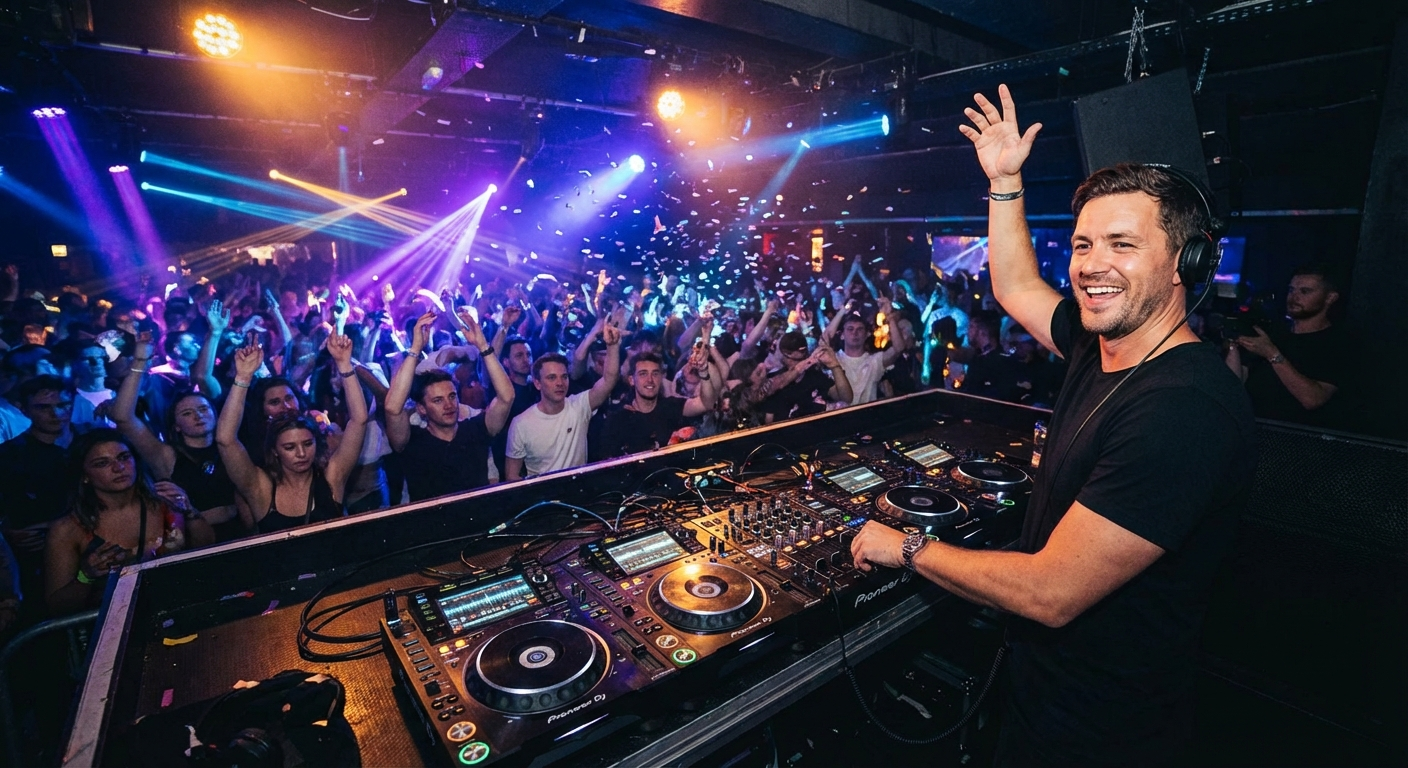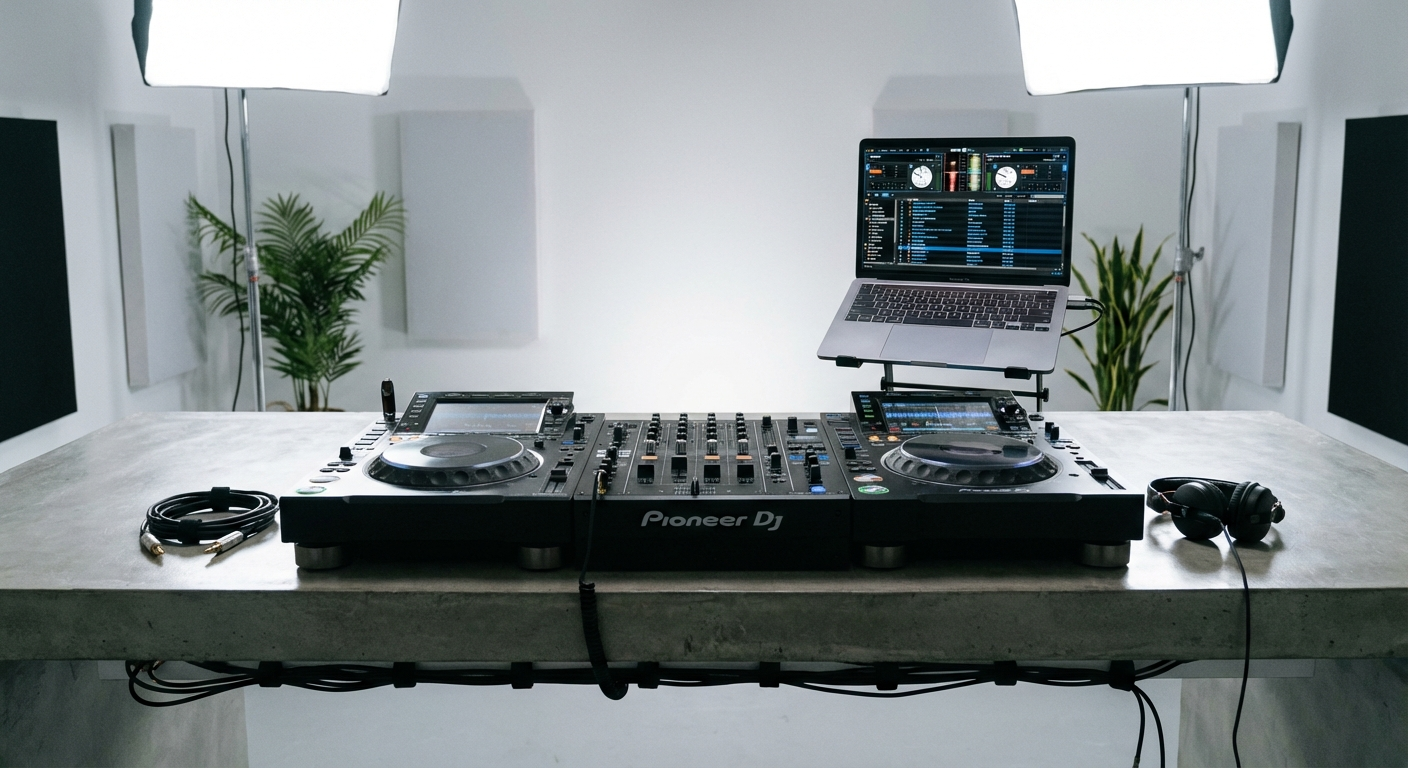
So, you're planning an event? Whether it's a wedding, a corporate gathering, or a backyard bash, the event sound setup is critical. Bad sound can kill the vibe faster than you can say "feedback." But don't sweat it! This guide will reveal secrets that even some seasoned DJs wish they knew from the start. We'll cover everything from speaker placement to EQ settings, ensuring your event sounds incredible. By the end, you'll be equipped to create an unforgettable audio experience for your guests. Let's dive in!
Understanding Your Event Space: The Foundation of Great Sound
Before you even think about plugging in a microphone, you need to understand the acoustics of your event space. Is it a large, open room? A small, carpeted lounge? Outdoors with nearby buildings? Each environment presents unique challenges and opportunities for your event sound setup. Ignoring these factors is a recipe for disaster. Sound waves behave differently in different spaces; they can bounce off hard surfaces, be absorbed by soft materials, and be affected by the overall dimensions of the room. A crucial first step is simply walking the space and listening for natural echoes or areas where sound seems muffled.
Consider the materials in the space. Hardwood floors and bare walls will create a brighter, more reflective sound, potentially leading to muddiness and feedback. Carpets, drapes, and upholstered furniture will absorb sound, creating a warmer, more controlled environment. Outdoor spaces present their own set of challenges, as sound can dissipate quickly, especially in windy conditions. Is there anything the venue can do to improve sound quality? For example, some venues have acoustic panels they can install.
Think about the shape of the room. A long, narrow room might require speakers to be placed along the length of the room to ensure even coverage. A square room might benefit from speakers placed in the corners to maximize sound dispersion. Pay attention to any architectural features that might affect sound, such as pillars, alcoves, or balconies.
Finally, consider the number of people who will be in attendance. A crowded room will absorb more sound than an empty room, so you might need to increase the volume slightly to compensate. Take all of these factors into account when planning your event sound setup to ensure the best possible audio experience.
Choosing the Right Equipment: Matching Gear to Your Needs
Selecting the right equipment is paramount for a successful event sound setup. You wouldn't bring a butter knife to a sword fight, right? Similarly, using the wrong speakers or microphones can lead to poor sound quality and frustrated guests. The size of your event and the type of music you plan to play will heavily influence your equipment choices. For a small, intimate gathering, a pair of powered speakers might suffice. For a larger event with a live band or DJ, you'll need a more robust system with subwoofers, mixers, and potentially stage monitors.
When choosing speakers, consider their power rating (measured in watts) and their frequency response (the range of frequencies they can reproduce). Higher wattage speakers are generally louder and can handle more dynamic range, while a wider frequency response ensures that you're hearing all the nuances of the music. Subwoofers are essential for reproducing low-frequency sounds, adding depth and impact to your music. Passive subwoofers require a separate amplifier, while powered subwoofers have a built-in amplifier.
Microphones are just as important as speakers, especially if you plan to have speeches or live performances. Dynamic microphones are rugged and versatile, making them a good choice for general use. Condenser microphones are more sensitive and offer better sound quality, but they require phantom power and are more susceptible to damage. Wireless microphones offer freedom of movement, but they can be prone to interference. A good mixer is essential for controlling the levels of different audio sources, such as microphones, instruments, and music players. Look for a mixer with enough channels to accommodate all of your inputs, as well as EQ controls to fine-tune the sound.
Don't forget essential cables and connectors! Use high-quality cables to ensure a clean signal and avoid noise or interference. Invest in a reliable power conditioner to protect your equipment from voltage spikes and surges. And, of course, consider the accessories. Speaker stands, microphone stands, and cable organizers will contribute to a professional and organized event sound setup.
Speaker Placement: Optimizing Sound Coverage and Clarity
Where you put your speakers is just as important as the speakers themselves. Proper speaker placement is crucial for achieving optimal sound coverage, clarity, and minimizing feedback. The goal is to distribute the sound evenly throughout the room, ensuring that everyone can hear clearly without being blasted by excessive volume. There are several factors to consider when determining speaker placement, including the size and shape of the room, the number of attendees, and the type of event.
For small to medium-sized rooms, a common approach is to place speakers on either side of the stage or dance floor, angled slightly inward towards the audience. This creates a stereo image and ensures that everyone receives a balanced sound. In larger rooms, you might need to use multiple pairs of speakers to cover the entire space. Consider using delay speakers, which are placed further back in the room and delayed slightly to synchronize with the sound from the main speakers. This helps to maintain clarity and prevent echoes. Elevating your speakers on stands can improve sound projection and prevent the sound from being absorbed by the crowd.
Avoid placing speakers in corners, as this can create excessive bass buildup and muddiness. Also, be mindful of reflective surfaces, such as walls and windows, which can cause unwanted echoes and reverberations. Experiment with different speaker positions to find the sweet spot where the sound is clear, balanced, and evenly distributed. Before the event starts, walk around the room and listen to the sound from different locations. Make adjustments as needed to ensure that everyone has a great listening experience. A well-planned event sound setup, with careful attention to speaker placement, can make all the difference in the success of your event.
Mastering EQ: Sculpting Your Sound for the Perfect Vibe
Equalization (EQ) is the art of shaping the frequency content of your audio signal. It's like sculpting sound, allowing you to boost or cut specific frequencies to enhance clarity, warmth, and overall sonic balance. While it might seem daunting at first, mastering EQ is crucial for achieving a professional-sounding event sound setup. Think of EQ as your sonic paintbrush, allowing you to fine-tune the sound to suit the specific characteristics of your event space and the music you're playing.
Most mixers have EQ controls for each channel, typically offering adjustments for bass (low frequencies), mid-range (mid frequencies), and treble (high frequencies). The key is to use EQ subtly and judiciously. Over-EQing can lead to a harsh, unnatural sound. Start by making small adjustments and listening carefully to the results. Cutting frequencies is often more effective than boosting them. For example, if your sound is muddy, try cutting the low-mid frequencies (around 250-500 Hz) to improve clarity. If your sound is harsh, try cutting the high frequencies (above 5 kHz) to reduce sibilance and harshness.
Use EQ to compensate for the acoustics of your event space. If the room is boomy, try cutting the low frequencies to tighten up the bass response. If the room is dead, try boosting the high frequencies to add some sparkle and air. Use EQ to enhance the characteristics of different instruments and vocals. For example, you might boost the high frequencies on a vocal to add clarity and presence, or boost the low frequencies on a kick drum to add punch and impact. Learning to "read" a room and then use the EQ to compensate takes practice. Don't be afraid to experiment and listen critically. A well-EQed event sound setup is the difference between amateur hour and a professional sonic experience.
Microphone Techniques: Ensuring Clear and Professional Vocals
If your event includes speeches, announcements, or live performances, proper microphone technique is essential for ensuring clear and professional vocals. Even the best microphone can sound bad if it's not used correctly. The distance between the microphone and the sound source (your mouth) is crucial. Generally, the closer the microphone is to the sound source, the stronger and clearer the signal will be. However, getting too close can lead to popping and plosives (those "p" and "b" sounds that can overwhelm the microphone). A good rule of thumb is to maintain a distance of about 4-6 inches from the microphone.
The angle at which you speak into the microphone also affects the sound. Aim to speak directly into the microphone capsule, rather than off to the side. This will ensure that the microphone picks up the full frequency range of your voice. If you're using a handheld microphone, hold it firmly and consistently. Avoid waving it around or covering the microphone grille with your hand, as this can muffle the sound and cause feedback. For stationary microphones, such as those used for speeches, consider using a pop filter to reduce plosives and a shock mount to isolate the microphone from vibrations.
Teach anyone who will be speaking to test the microphone before they begin. This allows them to adjust the microphone position and volume level to ensure that their voice is clear and audible. Encourage them to speak clearly and project their voice without yelling. Pay attention to feedback. If you hear a high-pitched squeal, that's feedback. It occurs when the sound from the speakers is picked up by the microphone and amplified again. To prevent feedback, reduce the volume of the microphone, move the microphone away from the speakers, or adjust the EQ to reduce the frequencies that are causing the feedback. Mastering these microphone techniques will ensure that your vocals sound clear, professional, and engaging, contributing to a successful event sound setup.
Creating the Perfect Playlist: Setting the Mood with Music
A fantastic event sound setup is only half the battle. The music you choose is just as crucial for setting the right mood and keeping your guests entertained. A well-curated playlist can elevate the entire event experience, creating a memorable and enjoyable atmosphere. Consider the type of event, the age range of your guests, and the overall vibe you're trying to create when selecting your music.
For a wedding reception, you might want to start with some mellow, romantic tunes during the cocktail hour, gradually increasing the energy as the night progresses. Include a mix of classic love songs, popular dance hits, and some personal favorites of the bride and groom. For a corporate event, you might want to choose upbeat, but not overly distracting, music during the networking sessions, and then switch to more energetic tunes during the party. Avoid anything too controversial or offensive. PartyMusicPlaylist is a great, free tool to help with this. You can collaborate with others, allow guests to request songs, and even export your playlist for your DJ!
For a backyard barbecue, you might want to create a playlist of feel-good summer anthems, classic rock tunes, and some country favorites. Pay attention to the flow of your playlist. Start with some mellow tunes to ease people into the event, and then gradually increase the energy as the night progresses. Mix up the genres and tempos to keep things interesting. Don't be afraid to throw in some unexpected tracks to surprise and delight your guests. Here are a few ideas to get you started:
Cocktail Hour/Dinner Music:
- "Come Away With Me" by Norah Jones — Smooth and sophisticated.
- "At Last" by Etta James — Timeless classic.
- "Better Together" by Jack Johnson — Relaxed and upbeat.
- "The Way You Look Tonight" by Frank Sinatra — Elegant and romantic.
- "A Thousand Years" by Christina Perri — Modern love song with a beautiful melody.
Dance Floor Fillers:
- "September" by Earth, Wind & Fire — Guaranteed to get people moving.
- "Don't Stop Believin'" by Journey — Crowd-pleasing anthem.
- "Uptown Funk" by Mark Ronson ft. Bruno Mars — Funky and infectious.
- "Dancing Queen" by ABBA — Classic disco hit.
- "I Wanna Dance with Somebody (Who Loves Me)" by Whitney Houston — Upbeat and empowering.
Managing Volume Levels: Finding the Sweet Spot for Comfort and Energy
Finding the right volume level is a delicate balancing act. You want the music to be loud enough to create energy and excitement, but not so loud that it's uncomfortable or prevents people from having conversations. The ideal volume level will depend on the size of the room, the number of attendees, and the type of event. A small, intimate gathering will require a lower volume level than a large dance party.
Start with the volume relatively low and gradually increase it until you reach a comfortable level. Pay attention to the reactions of your guests. If people are straining to hear each other or covering their ears, the volume is too loud. If people are struggling to hear the music or feeling bored, the volume is too low. Consider using a sound level meter to measure the volume level in decibels (dB). A safe and comfortable volume level for most events is around 85-90 dB. Be aware of local noise ordinances. Many cities have rules about the maximum volume level allowed at events, especially outdoors. Violating these ordinances can result in fines or even the shutdown of your event.
Consider using dynamic range compression to even out the volume levels of different songs. This will prevent sudden spikes in volume that can be jarring or uncomfortable. Pay attention to the acoustics of the room. If the room is reflective, the sound will bounce around and become louder. In this case, you might need to lower the volume to compensate. If the room is absorbent, the sound will be muffled and you might need to increase the volume slightly. Regularly check the volume level throughout the event and make adjustments as needed. A well-managed event sound setup, with careful attention to volume levels, will ensure that your guests have a comfortable and enjoyable experience.
Troubleshooting Common Sound Issues: Identifying and Fixing Problems
Even with the most careful planning, sound issues can arise during your event. Knowing how to troubleshoot common problems can save you from a potential disaster. Here are some of the most common issues and how to fix them:
- Feedback: A high-pitched squealing sound. Reduce the microphone volume, move the microphone away from the speakers, or adjust the EQ to reduce the frequencies that are causing the feedback.
- Hum or Buzz: A low-frequency noise. Check your cables and connections to make sure they are secure. Try using a different power outlet or a power conditioner.
- Distortion: A fuzzy or crackling sound. Reduce the volume of the source that is causing the distortion. Check your speakers to make sure they are not blown.
- No Sound: Check all of your cables and connections to make sure they are properly plugged in. Make sure your power outlets are working. Check the volume levels on all of your devices.
- Weak Bass: Check that your subwoofer is plugged in and turned on. Make sure the subwoofer volume is turned up. Check the EQ settings on your mixer to make sure the low frequencies are not being cut.
Always have a backup plan. Keep spare cables, microphones, and speakers on hand in case something fails. Designate someone to be in charge of troubleshooting sound issues during the event. This person should be familiar with the event sound setup and able to quickly identify and fix problems. Regularly check your equipment before and during the event to catch potential problems early. By being prepared and proactive, you can minimize the impact of sound issues and ensure that your event runs smoothly.
DJ Export: Seamless Integration with Professional Equipment
If you're using a DJ for your event, you need to ensure your playlist can be easily integrated into their setup. This is where a feature like DJ Export from PartyMusicPlaylist can be a lifesaver. DJ Export allows you to convert your carefully curated playlist into a format that can be directly imported into popular DJ software like Serato, Traktor, or Rekordbox. This eliminates the tedious and error-prone process of manually transferring song titles and artist names, saving your DJ valuable time and ensuring accurate track information.
The DJ Export feature typically creates a file (often a .CSV or .TXT format) containing all the necessary information for each song in your playlist, including title, artist, BPM (beats per minute), and key. Your DJ can then import this file into their software, and the entire playlist will be automatically populated with all the correct track information. This not only saves time but also reduces the risk of errors that could disrupt the flow of the music during your event. This ensures a smooth transition to a professional event sound setup.
Before exporting your playlist, double-check that all the song titles and artist names are accurate and consistent. This will ensure that the imported data is correct and that your DJ has all the information they need to mix your songs seamlessly. Communicate with your DJ about their preferred file format and any specific requirements they might have. A little communication upfront can prevent headaches later on. By utilizing a DJ Export feature, you can ensure a smooth and professional integration between your playlist and your DJ's equipment, contributing to a seamless and unforgettable event experience.
Common Mistakes to Avoid: Steering Clear of Sound Disasters
Even with the best intentions, it's easy to make mistakes when setting up the sound for your event. Avoiding these common pitfalls can save you from potential sound disasters and ensure a smooth, enjoyable experience for your guests. One of the biggest mistakes is underestimating the size of the room. Using speakers that are too small for the space will result in weak, inadequate sound. Conversely, using speakers that are too powerful can create excessive volume and discomfort.
Another common mistake is neglecting the acoustics of the room. Ignoring reflective surfaces, such as walls and windows, can lead to echoes and reverberations. Placing speakers in corners can create excessive bass buildup. Failing to properly EQ the sound can result in muddiness, harshness, or a lack of clarity. Not testing the event sound setup before the event is a recipe for disaster. Always do a thorough sound check to identify and fix any problems before your guests arrive. Neglecting microphone technique can lead to poor vocal clarity and feedback. Remember to maintain a consistent distance and angle from the microphone.
Finally, failing to manage volume levels properly can ruin the event. Playing the music too loud can be uncomfortable and prevent people from having conversations. Playing the music too quiet can create a lack of energy and excitement. By avoiding these common mistakes, you can create a professional-sounding event and ensure that your guests have a great time.
Expert Tips and Pro Advice: Taking Your Sound to the Next Level
Ready to take your event sound setup to the next level? Here are some expert tips and pro advice that can help you achieve truly exceptional sound quality:
- Invest in Quality Equipment: Don't skimp on your speakers, microphones, and cables. High-quality equipment will make a noticeable difference in the sound.
- Use a Power Conditioner: Protect your equipment from voltage spikes and surges. A power conditioner will also filter out noise and interference.
- Consider Acoustic Treatment: If you're serious about sound quality, consider adding acoustic panels or bass traps to your event space.
- Hire a Professional Sound Engineer: For larger or more complex events, consider hiring a professional sound engineer to handle the sound setup and mixing. They have the expertise and experience to ensure that your event sounds its best. You can often find local sound engineers who are familiar with event sound setups using sites like GigMasters or even through referrals from local music stores.
- Record Your Event: Recording your event will allow you to analyze the sound quality and identify areas for improvement in the future.
- Embrace Wireless Technology: Wireless microphones and speaker systems can offer greater flexibility and convenience.
By implementing these expert tips and pro advice, you can elevate your event sound setup from good to great and create an unforgettable audio experience for your guests.
Frequently Asked Questions
PartyMusicPlaylist Team
Helping you create the perfect soundtrack for life's most memorable moments. Expert tips on event music planning, DJ coordination, and playlist curation.
Learn MoreReady to Plan Your Event Music?
Create the perfect playlist for your special event. Search songs, organize your timeline, and share with your DJ.
Get Started FreeRelated Articles
Continue reading