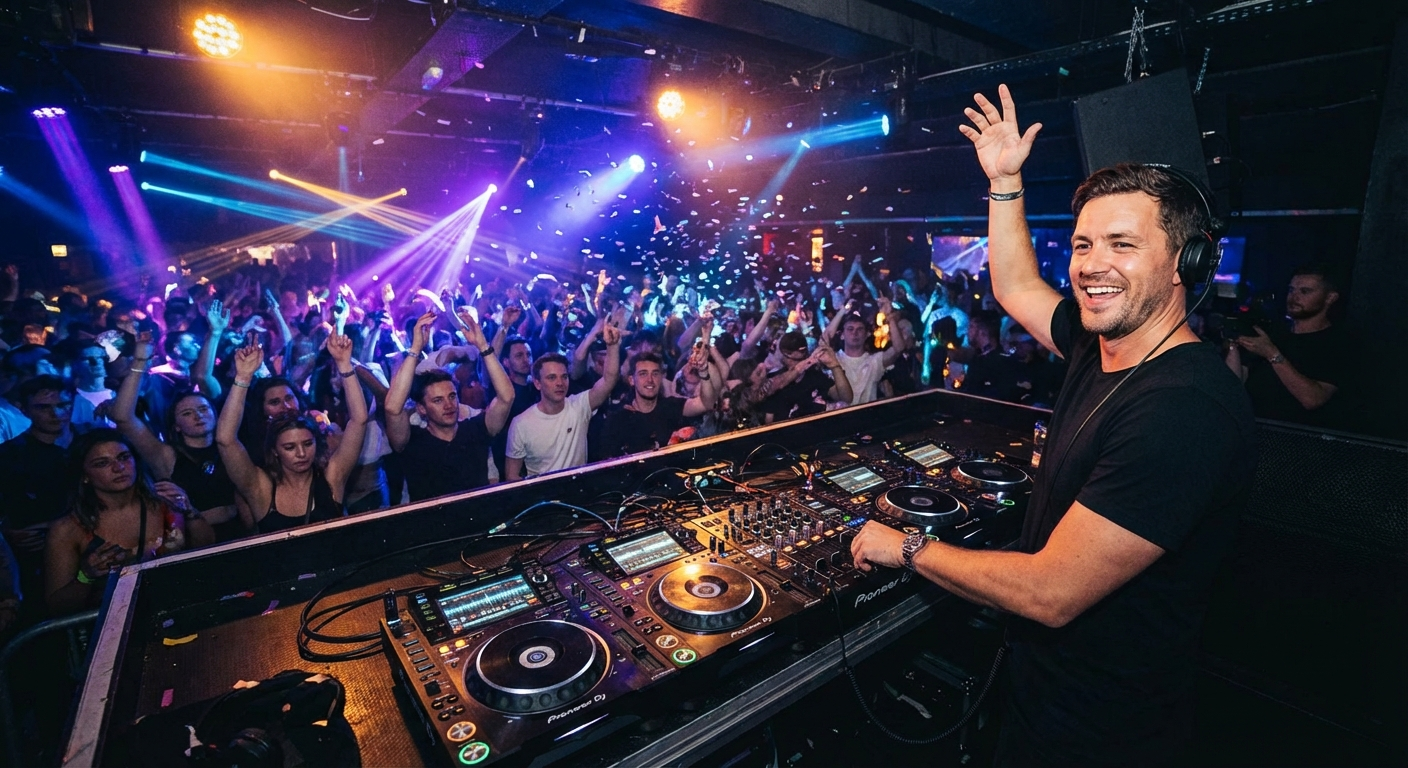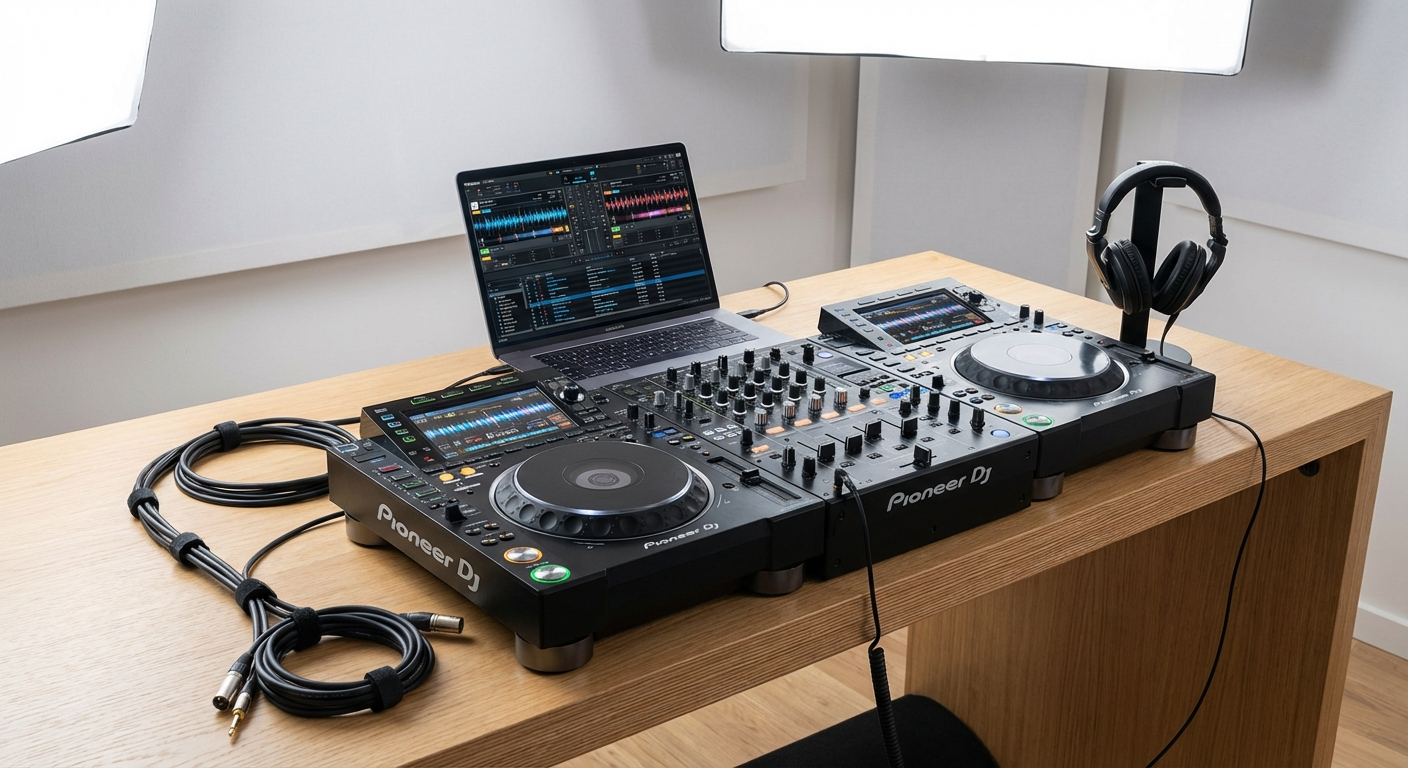
As a DJ, you know that music can make or break an event. But even the perfect playlist can fall flat with a poor event sound setup. It's 2026, and expectations are higher than ever. No more tinny speakers or feedback squeals! Your clients and their guests demand pristine audio that fills the room without overwhelming it. So, how do you achieve sound system perfection? This guide will reveal the secrets to creating a professional, immersive audio experience that leaves a lasting impression.
🎯 Key Takeaways
- Understand the importance of matching your sound system to the venue size and acoustics.
- Learn how to properly position speakers for optimal sound distribution and clarity.
- Discover techniques for soundproofing and acoustic treatment to minimize unwanted reflections.
- Master the art of soundcheck and gain staging to achieve a clean, balanced mix.
- Explore the latest audio technology and software to enhance your event sound setup.
The Foundation: Matching Your Sound System to the Venue
One of the biggest mistakes DJs make is using the same sound system for every event, regardless of the venue. A small system in a large hall will sound weak and distant, while a massive rig in a cozy room will be overpowering and muddy. The key is finding the right balance.
Consider these factors when selecting your event sound setup:
- Venue Size: How many people will the space hold? A good rule of thumb is to have approximately 5-10 watts of power per person.
- Acoustics: Is the room carpeted and draped, or is it a hard, echoey space with lots of glass and tile? Hard surfaces reflect sound, requiring more careful speaker placement and potentially acoustic treatment.
- Event Type: A quiet dinner party requires a subtle, background-level sound system, while a high-energy dance party demands a powerful, full-range setup.
Understanding these elements will allow you to choose the right speakers, amplifiers, and subwoofers for the job. Don't be afraid to invest in a variety of equipment to handle different scenarios.
💡 Pro Tip: Renting equipment for larger events can be a cost-effective way to provide adequate sound without investing in equipment you rarely use.
Speaker Placement: The Art of Dispersion and Clarity
Even the best sound system will sound terrible if the speakers are poorly positioned. Proper speaker placement is crucial for achieving even sound distribution and minimizing unwanted reflections.
Here are some key principles to follow:
- Elevate Your Speakers: Raising your speakers on stands or platforms helps to project the sound over the heads of the audience, ensuring that everyone can hear clearly.
- Aim for Coverage: Position your speakers to cover the entire listening area. For wider spaces, consider using multiple speakers to avoid dead spots or areas with excessive volume.
- Avoid Obstructions: Make sure your speakers are not blocked by furniture, decorations, or people. Anything that obstructs the sound path will degrade the audio quality.
- Angle Your Speakers: Experiment with angling your speakers slightly inwards towards the center of the listening area. This can help to focus the sound and improve stereo imaging.
For live music events, remember the "rule of three." The distance between each speaker and the listening area should be roughly equal to the distance between the speakers themselves. This helps to create a balanced stereo image.
Consider these tracks when testing your speaker setup:
- "September" by Earth, Wind & Fire — Test for clarity and punchy bass.
- "Bohemian Rhapsody" by Queen — Check for a balanced mix and vocal presence.
- "Billie Jean" by Michael Jackson — Listen to the crisp snare and distinct bassline.
Taming the Echo: Soundproofing and Acoustic Treatment
Acoustics play a huge role in the overall sound quality of an event. Hard, reflective surfaces can create echoes and reverberations that muddy the mix and make it difficult to hear clearly. Soundproofing and acoustic treatment can help to minimize these issues.
Soundproofing aims to block sound from entering or leaving a space, while acoustic treatment focuses on improving the sound quality within a room.
Here are some common acoustic treatment techniques:
- Bass Traps: Placed in corners to absorb low-frequency sound waves, reducing booming and muddiness.
- Acoustic Panels: Mounted on walls to absorb mid and high frequencies, reducing echoes and reverberations.
- Diffusers: Scatter sound waves to create a more natural and spacious sound.
For temporary events, you can use simpler solutions like:
- Draping tablecloths over hard surfaces.
- Using rugs to absorb sound.
- Adding plants to help diffuse sound waves.
⚠️ Heads Up: While complete soundproofing is often impractical for temporary events, even a few strategically placed acoustic panels can make a noticeable difference in sound quality.
Soundcheck Secrets: Gain Staging and EQ Mastery
The soundcheck is your opportunity to fine-tune your event sound setup and ensure that everything sounds its best. Gain staging is the process of setting the input levels of each channel to optimize the signal-to-noise ratio, while EQ (equalization) allows you to adjust the frequency balance of the audio.
- Start with Gain: Set the input gain on each channel so that the signal is strong but not clipping (distorting). Aim for the meter to peak around -6dBFS.
- Adjust EQ: Use EQ to shape the sound of each channel, removing unwanted frequencies and boosting the ones you want to emphasize. Be subtle – small adjustments can make a big difference.
- Check Your Overall Mix: Listen to the overall mix and make adjustments to the levels of each channel to achieve a balanced sound.
- Test with Different Music: Play a variety of tracks to ensure that your sound system sounds good with different genres and styles of music.
Use the following tracks to test your EQ during the soundcheck:
- "Stayin' Alive" by Bee Gees — Test for mid-range clarity and vocal presence.
- "Low" by Flo Rida ft. T-Pain — Check for powerful bass response and crisp highs.
- "Rolling in the Deep" by Adele — Listen for vocal clarity and balanced instrumentation.
The Power of Subwoofers: Adding Depth and Impact
Subwoofers are essential for creating a full, immersive audio experience, especially for dance parties and events with bass-heavy music. They reproduce the low-frequency sounds that add depth and impact to the music.
When setting up your subwoofers, consider these factors:
- Placement: Placing subwoofers in corners can amplify the bass response, but it can also create unwanted resonances. Experiment with different placements to find the spot where the bass sounds the cleanest and most powerful.
- Crossover Frequency: The crossover frequency determines which frequencies are sent to the subwoofers and which are sent to the main speakers. A common starting point is around 80-100Hz, but you may need to adjust it depending on the specific speakers and subwoofers you are using.
- Phase Alignment: In some cases, the sound waves from the subwoofers and main speakers can interfere with each other, causing cancellations or comb filtering. Use the phase switch on your subwoofer to reverse the polarity and see if it improves the sound.
Editor's Top Picks
- "Yeah!" by Usher ft. Lil Jon & Ludacris — Must-have for testing subwoofer response and energy.
- "Don't Start Now" by Dua Lipa — Essential for dance floors, highlighting bass and clarity.
Essential Party Anthems for an Epic Night
No event sound setup is complete without the right playlist. Here are some essential party anthems that will get everyone on the dance floor:
- "Uptown Funk" by Mark Ronson ft. Bruno Mars — Guaranteed to get everyone moving.
- "Happy" by Pharrell Williams — An instant mood booster.
- "I Wanna Dance with Somebody (Who Loves Me)" by Whitney Houston — A timeless classic.
- "September" by Earth, Wind & Fire — An irresistible groove.
- "Sweet Caroline" by Neil Diamond — A singalong favorite.
Consider building your perfect playlist using a tool like PartyMusicPlaylist. It's a free and easy way to create collaborative playlists where guests can even request their favorite songs!
Setting the Mood: Romantic Songs for Special Moments
For weddings and other romantic events, you'll need a selection of songs that set the right mood. Here are some timeless classics:
- "At Last" by Etta James — A timeless first dance classic.
- "Can't Help Falling in Love" by Elvis Presley — A beautiful and heartfelt ballad.
- "A Thousand Years" by Christina Perri — A modern romantic anthem.
- "Thinking Out Loud" by Ed Sheeran — A perfect choice for a slow dance.
- "You Are the Best Thing" by Ray LaMontagne — A soulful and uplifting love song.
Don't forget to tailor your music selection to the couple's personal taste and preferences. Asking them for a list of their favorite songs is always a good idea, and with PartyMusicPlaylist's playlist templates, it's easy to organize!
Microphone Magic: Vocal Clarity for Announcements and Speeches
If your event includes speeches, announcements, or live performances, you'll need a good-quality microphone and the skills to use it effectively. Microphone technique is crucial for achieving clear and intelligible vocals. Proper event sound setup includes testing the microphone at soundcheck!
- Choose the Right Mic: Dynamic microphones are durable and versatile, making them a good choice for general use. Condenser microphones are more sensitive and offer better sound quality, but they require phantom power.
- Mic Placement: Position the microphone close to the speaker's mouth, but not so close that it picks up breath sounds or popping noises. A distance of 6-12 inches is usually ideal.
- Gain Staging: Set the input gain on the microphone channel so that the signal is strong but not clipping. Watch the meter carefully and adjust the gain as needed.
- EQ: Use EQ to shape the sound of the vocals, removing any muddiness or harshness. A gentle high-pass filter can help to reduce low-frequency rumble.
💡 Pro Tip: Invest in a pop filter to reduce breath sounds and plosives (p, b, and t sounds) from the microphone. This will improve the clarity and intelligibility of the vocals.
Common Event Sound Setup Mistakes to Avoid
Even experienced DJs can make mistakes when setting up their event sound setup. Here are some common pitfalls to avoid:
- Using the Wrong Equipment: Choosing a system that is too small or too large for the venue.
- Poor Speaker Placement: Placing speakers in corners or against walls, which can create unwanted reflections and resonances.
- Ignoring Acoustics: Failing to address the acoustics of the room, which can lead to muddy sound and excessive reverberation.
- Improper Gain Staging: Setting the input levels too high or too low, which can result in distortion or a weak signal.
⚠️ Heads Up: Always test your entire event sound setup before the event starts. Run through your playlist, check the microphones, and make sure everything sounds good from different locations in the room.
Expert Tips for Event Sound Success
Here are some expert tips that will help you take your event sound setup to the next level:
Invest in quality cables. Cheap cables can degrade the audio signal and introduce noise. Use balanced cables whenever possible to minimize interference. Properly managing your cables — bundling and labeling them — is key to a quick setup and tear-down.
- Use a Digital Mixer: Digital mixers offer a wider range of features and flexibility than analog mixers, including built-in effects, EQ, and compression.
- Learn Basic Sound Engineering: Understanding basic sound engineering principles will help you to troubleshoot problems and achieve a better sound.
- Stay Up-to-Date: Keep up with the latest audio technology and trends by reading industry publications and attending workshops and seminars.
PartyMusicPlaylist.com even helps you find local DJs in your area, so you can outsource your event sound setup to a professional!
Frequently Asked Questions
PartyMusicPlaylist Team
Helping you create the perfect soundtrack for life's most memorable moments. Expert tips on event music planning, DJ coordination, and playlist curation.
Learn MoreReady to Plan Your Event Music?
Create the perfect playlist for your special event. Search songs, organize your timeline, and share with your DJ.
Get Started FreeRelated Articles
Continue reading