The Art of the Set: Why Your Playlist Strategy Matters More Than Ever
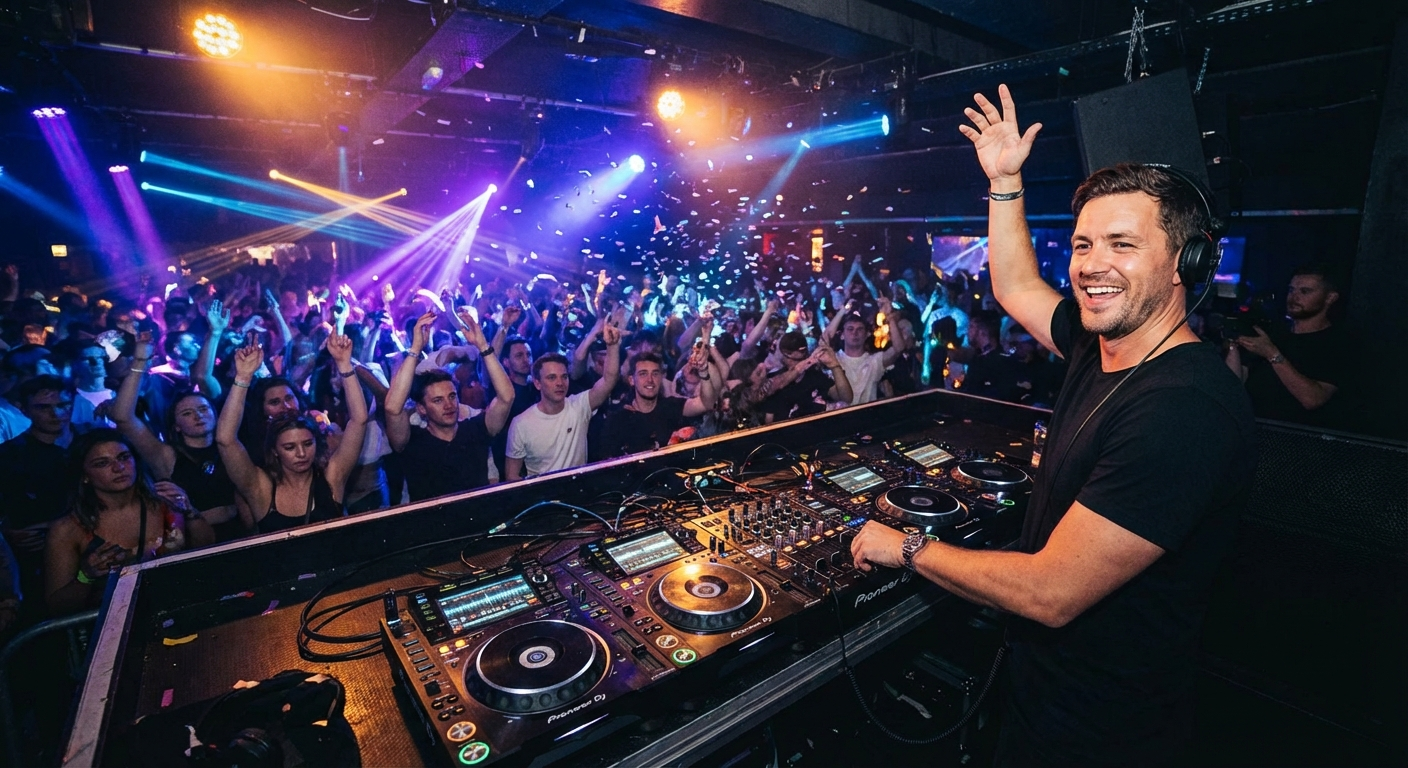
You've got the gear. You've got the talent. But if your playlist strategy is weak, the dance floor will empty faster than you can say "request." 2026 requires a new level of precision. DJs are no longer just song selectors — you are an energy architect, a mood scientist, and a crowd psychologist. Your ability to read a room and adapt your song list in real-time separates a good night from a legendary one.
This guide is your blueprint for mastering that skill. We're covering seven essential tips that will transform how you build, organize, and execute your sets. From reading the vibe to leveraging modern playlist tools, you'll walk away with actionable strategies you can use at your next gig. Let's dive into the deep end.
🎯 Key Takeaways
- Learn how to read the room and adjust your music selection on the fly
- Master the energy curve to build sets that take crowds on a journey
- Discover powerful playlist organization techniques for seamless transitions
- Understand the golden rule of song requests and when to say no
- Get actionable tips for using pre-event guest data to customize your playlist
1. The Energy Curve: Mapping Your Set Like a Pro
Every great set tells a story. It has a beginning, a middle, and a climactic end. This isn't accidental — it's the result of carefully planning your energy curve. Think of it like a rollercoaster: you need slow climbs, thrilling drops, and moments of breath-catching calm.
Your energy curve should never be a flat line. If every song is at 100% intensity, your crowd will burn out within 30 minutes. If everything is mellow, you'll lose their attention. The magic lies in the peaks and valleys.
How to Build Your Energy Curve
- Start with an opener (BPM 100-110): This sets the tone. Think "Alright" by Kendrick Lamar or "Get Lucky" by Daft Punk — recognizable but not exhausting.
- Build the groove (BPM 110-120): Gradually increase tempo. Songs like "Levitating" by Dua Lipa or "Blinding Lights" by The Weeknd work perfectly here.
- Peak time (BPM 125-130+): Unleash the bangers. "Turn Down for What" by DJ Snake or "Levels" by Avicii will ignite the floor.
- Cool down (BPM 90-105): Give the crowd a breather. "Watermelon Sugar" by Harry Styles or "Riptide" by Vance Joy works wonders.
- Final push (BPM 120-128): Bring it home with anthems. "Don't Stop Believin'" by Journey or "Mr. Brightside" by The Killers are crowd-killers.
💡 Pro Tip: Use a tool like PartyMusicPlaylist.com to organize your songs by BPM and energy level. This makes building your curve as simple as dragging and dropping tracks.
Your set should feel like a journey, not a shuffle. The best DJs know that the energy curve is the secret sauce. Plan it, practice it, and watch your crowd follow every twist and turn.
"The best sets are like novels — they have a beginning, middle, and end. The energy curve is your plot structure." — DJ Jazzy Jeff
2. Reading the Room: The Superpower Every DJ Needs
You can have the most perfectly curated playlist in the world, but if you're not reading the room, you're playing roulette. Reading the room is your superpower. It's the ability to assess the crowd's mood, energy, and preferences in real-time and adjust your music selection accordingly.
How do you do it? Start with observation. Look at the dance floor. Are people moving? Are they smiling? Are they singing along? Body language tells you everything. If people are tapping their feet but not fully dancing, you might need to increase energy. If they're standing still, you might have lost them.
Signs Your Crowd is Loving It
- People are singing along — they know the lyrics and are engaged
- The dance floor is full — bodies moving, arms in the air
- You see phone flashlights — they're documenting the moment
- Crowd is clapping or cheering — positive energy feedback
- Strangers are dancing together — social connection happening
Signs You Need to Switch It Up
- People are heading to the bar — they're disengaging
- Crossed arms or blank stares — they're not feeling it
- Empty dance floor — the biggest red flag
- Excessive phone use — they're bored, not documenting
- People leaving the venue — you've lost them
⚠️ Heads Up: Never force a song that isn't working. If you drop a track and the crowd doesn't react, pivot quickly. Have a few "reset" tracks ready — songs you know will always get a response. Think "Happy" by Pharrell Williams or "Uptown Funk" by Mark Ronson ft. Bruno Mars.
Reading the room also means understanding the event type. A wedding crowd is different from a club crowd. A corporate event is different from a birthday party. Adapt your playlist to the occasion. Use PartyMusicPlaylist.com's templates to pre-build sets for different scenarios.
3. The Art of Song Requests: Saying Yes (and No) Gracefully
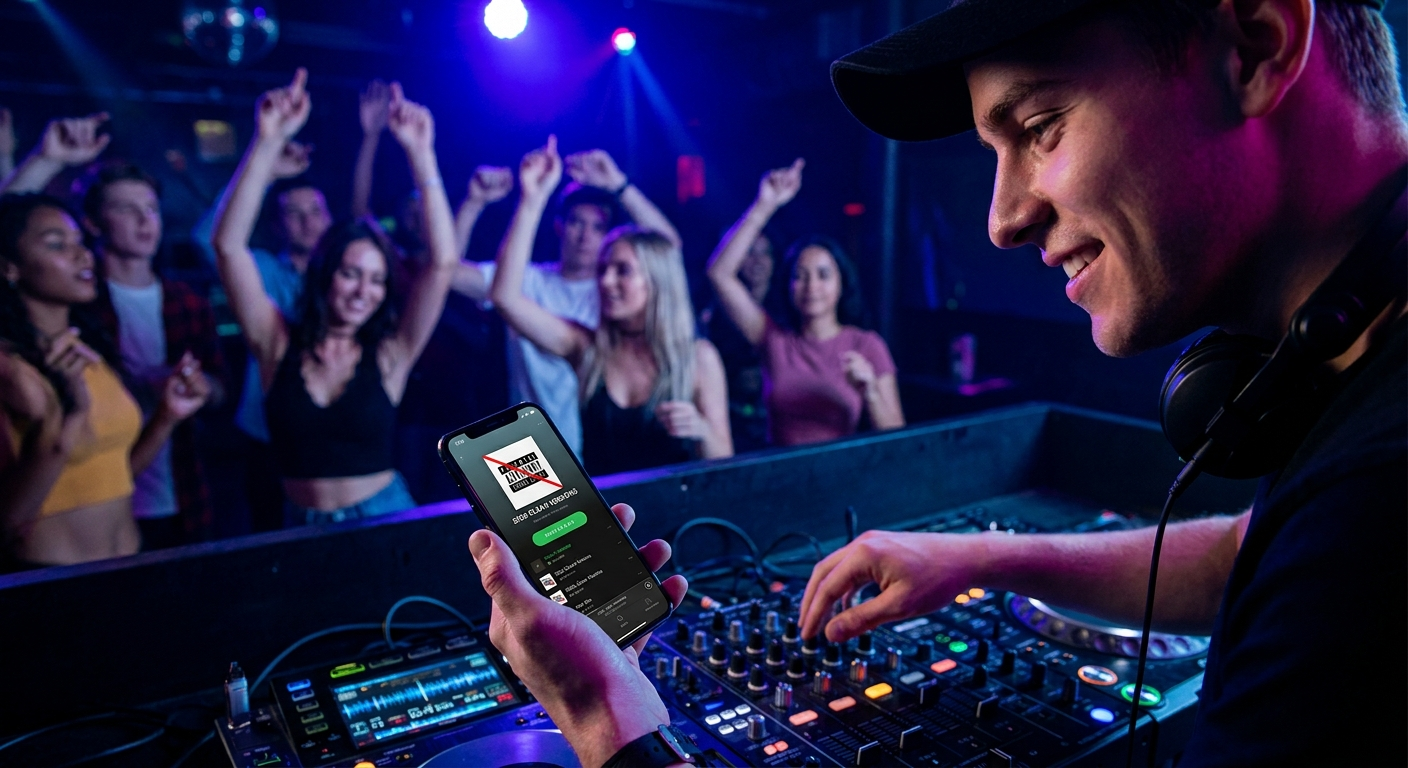
Song requests are inevitable. Someone will walk up to your booth with a phone in hand, asking for a track you'd never play in a million years. Your response can make or break the night. Mastering the art of song requests is a critical DJ playlist tip.
First, understand the psychology. People request songs because they want to feel special. They want to hear something that connects to their memory or mood. Honor that emotion, but don't sacrifice the set. You can acknowledge the request without playing it immediately.
The Golden Rules of Song Requests
- Always smile and listen — make them feel heard
- Say "I'll see what I can do" — buys you time without promising
- If the song fits, play it — but only when it aligns with your energy curve
- If it doesn't fit, offer an alternative — "I don't have that, but how about [similar song]?"
- Never play a song that kills the vibe — you're the gatekeeper of the dance floor
💡 Pro Tip: Use PartyMusicPlaylist.com's guest request feature to let attendees submit songs before the event. This gives you time to vet requests and integrate them into your playlist. It also makes guests feel involved.
"The best DJs don't just play requests — they curate them. Every request is an opportunity to build a connection." — David Guetta
What about the aggressive requester? You know the type — the one who won't leave your booth. Stay calm and professional. Say "I'll keep it in mind" and return to your set. If they persist, politely explain that you're following the energy of the room. Most people will respect that.
4. Pre-Event Prep: Using Guest Data to Customize Your Playlist
The best DJ sets feel personal. They feel like the music was handpicked for that specific crowd. How do you achieve that? Pre-event preparation. Use guest data to build a playlist that resonates before you even plug in your gear.
Start with the event host. Ask them about the guest list demographics. What age range? What musical preferences? Are there any cultural or regional influences? A wedding with a mostly 20-something crowd calls for different music than a 50th birthday party with older guests.
How to Collect Guest Data
- Send a pre-event survey — ask for favorite songs, genres, and artists
- Check the event's social media — see what music the host shares
- Use a guest request tool — platforms like PartyMusicPlaylist.com allow guests to submit songs
- Interview the host — ask about "must-play" and "do-not-play" lists
- Analyze the venue — a sports bar needs different energy than a banquet hall
- "Can't Stop the Feeling!" by Justin Timberlake — universal crowd-pleaser
- "Shut Up and Dance" by Walk the Moon — instant energy boost
- "Dancing Queen" by ABBA — timeless for any age group
- "Thinking Out Loud" by Ed Sheeran — perfect for romantic moments
- "Livin' on a Prayer" by Bon Jovi — ultimate singalong anthem
- Openers — songs to start the night (BPM 90-110)
- Build-Up — tracks to increase energy (BPM 110-120)
- Peak Time — bangers for maximum energy (BPM 120-130+)
- Cool Down — slower tracks for breaks (BPM 80-100)
- Emergency Reset — guaranteed crowd-pleasers
- Requests — songs you've vetted from guests
- Closers — anthems to end the night
- "Uptown Funk" by Mark Ronson ft. Bruno Mars — the ultimate party starter
- "Shape of You" by Ed Sheeran — rhythmic and singable
- "Happy" by Pharrell Williams — pure joy in a song
- "Shake It Off" by Taylor Swift — empowering and danceable
- "I Gotta Feeling" by The Black Eyed Peas — timeless anthem
- "Levels" by Avicii — the EDM classic that still hits
- "Turn Down for What" by DJ Snake — pure adrenaline
- "Titanium" by David Guetta ft. Sia — powerful and emotional
- "Sandstorm" by Darude — nostalgic for the right crowd
- "Wake Me Up" by Avicii — folk meets electronic magic
- "At Last" by Etta James — timeless first dance classic
- "Perfect" by Ed Sheeran — modern wedding favorite
- "All of Me" by John Legend — emotional and heartfelt
- "Thinking Out Loud" by Ed Sheeran — smooth and romantic
- "Can't Help Falling in Love" by Elvis Presley — eternal love song
- "Flowers" by Miley Cyrus — empowering anthem with broad appeal
- "As It Was" by Harry Styles — catchy and modern
- "About Damn Time" by Lizzo — funky and uplifting
- "Music for a Sushi Restaurant" by Harry Styles — unique but danceable
- "Break My Soul" by Beyoncé — house music revival at its best
📝 Note: Don't over-plan. Leave room for flexibility. You can't predict every moment, but you can be prepared for common scenarios. Build a "flex pack" of 20-30 songs that work across different moods and genres.
Once you have the data, organize your playlist. Use folders or tags for different moments: dinner, cocktail hour, peak dancing, slow songs, and closing. This makes it easy to switch gears without fumbling through your library.
Top 5 Songs for Pre-Event Prep
5. Organizing Your Library: The DJ's Secret Weapon
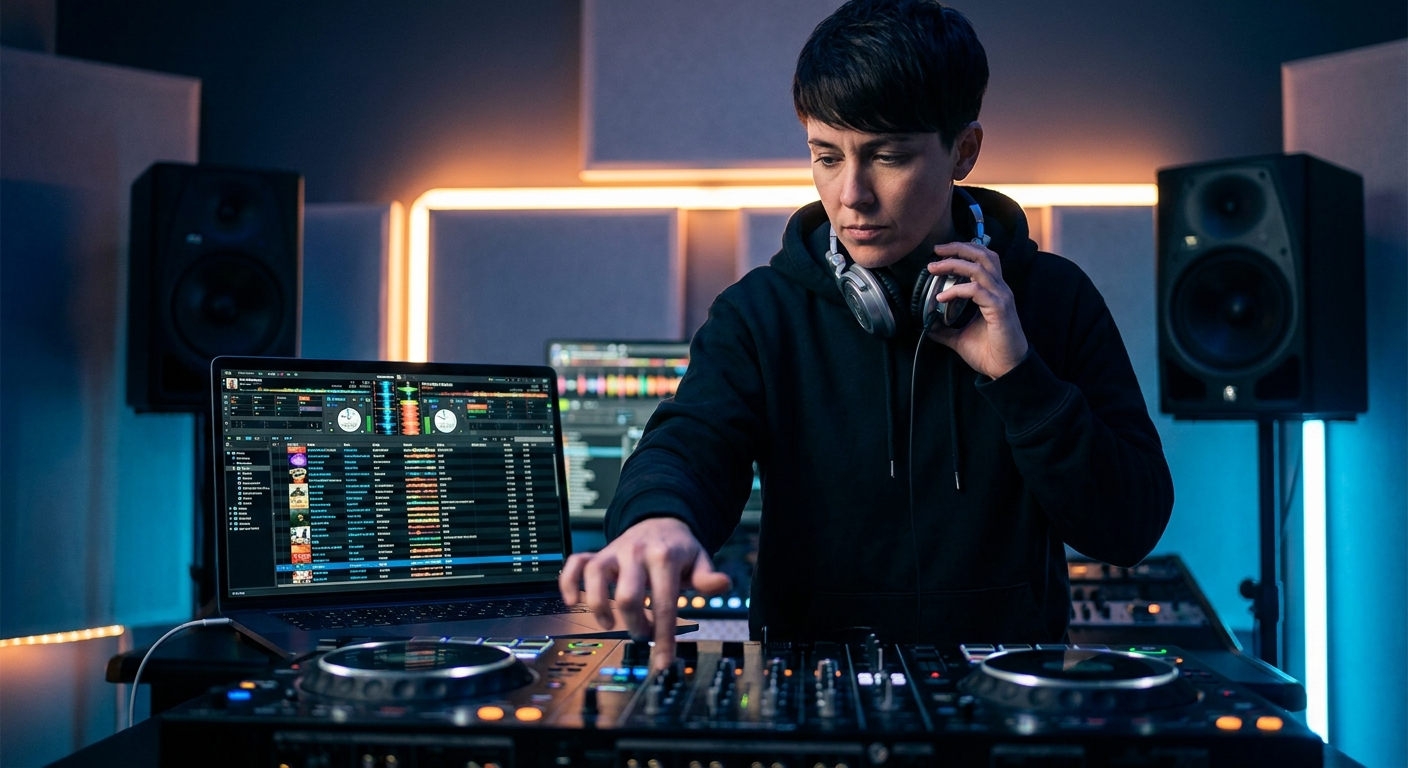
A disorganized library is a recipe for disaster. Imagine being in the middle of a peak set and struggling to find the next track. Proper organization is your secret weapon. It saves time, reduces stress, and ensures you always have the right song ready.
Start with genre folders. Create broad categories like Hip-Hop, Pop, EDM, Rock, R&B, Latin, and Country. Within each genre, subdivide by energy level or BPM. For example, "Hip-Hop - High Energy" and "Hip-Hop - Chill."
Essential Folder Structure
💡 Pro Tip: Use smart playlists that automatically update based on criteria like BPM, year, or energy rating. This keeps your library fresh without manual work.
Another powerful technique: key matching. Songs in compatible keys transition more smoothly. You don't need to be a music theory expert — most DJ software shows key information. Use it to create seamless mixes.
"Organization is the foundation of creativity. When your library is clean, your mind is free to focus on the crowd." — Carl Cox
6. Must-Have Songs for Every DJ's 2026 Playlist
Every DJ needs a core library of songs that work across events. These are the tracks that never fail to get a reaction. Build your foundation with these essentials.
2026 is about genre-blending. The lines between pop, electronic, and hip-hop are blurring. Look for tracks that have broad appeal while still feeling fresh. Here's a breakdown by category.
Universal Crowd-Pleasers (Always Work)
High-Energy Bangers (Peak Time)
Slow Jams and Romantic Moments
Editor's Top Picks for 2026
7. Common Mistakes to Avoid (And How to Fix Them)
Every DJ makes mistakes. The difference between amateurs and pros is how quickly you recover. Here are the most common DJ playlist mistakes and how to avoid them.
Mistake #1: Playing Too Many Bangers Too Early
You want to impress the crowd, so you drop your heaviest tracks in the first 30 minutes. Big mistake. You'll peak too early and have nowhere to go. The crowd will burn out, and the rest of the night will feel flat.
Fix: Save your bangers for the 60-90 minute mark. Start with warm-up tracks that set the tone without exhausting the crowd.
Mistake #2: Ignoring the Crowd's Feedback
You're glued to your laptop, staring at waveforms, oblivious to the empty dance floor. You're playing for yourself, not the room. The crowd is telling you something — listen to them.
Fix: Make eye contact with the crowd. Watch their body language. If they're not moving, change the energy immediately.
Mistake #3: Playing Obscure Tracks to Show Off
You want to prove you have deep musical knowledge. So you play a rare remix that no one recognizes. The crowd doesn't care about your crate-digging skills — they want to dance.
Fix: Balance your set with 80% recognizable hits and 20% deeper cuts. Use the deeper tracks during low-energy moments when experimentation is safer.
⚠️ Heads Up: Never play a song you haven't practiced. A bad transition or awkward timing can kill the vibe instantly. Always rehearse your set before the event.
8. Expert Tips for Mastering Your DJ Playlist in 2026
You've got the basics. Now let's level up. These expert tips will separate you from the pack.
🔥 The 3-Song Rule: If a song doesn't get a reaction within 30 seconds, transition out. Don't wait for a miracle — the crowd has already decided. Use quick cuts or loops to move to the next track. This keeps the energy flowing and prevents dead air.
Use Technology to Your Advantage
Modern DJ software offers powerful features. Learn them. Use beat-sync for seamless transitions, but don't rely on it entirely. Manual mixing shows skill and creates unique moments. Explore key detection to harmonically mix tracks — your sets will sound more professional.
Build a "Mood Map" for Each Event
Before the event, create a mood map. List the emotions you want to evoke: excitement, nostalgia, romance, celebration. Then assign songs to each emotion. This gives you a roadmap for the night.
Network with Other DJs
Share playlists, swap tips, and attend each other's sets. Collaboration breeds creativity. You'll discover new music and techniques that improve your craft.
💡 Pro Tip: Use PartyMusicPlaylist.com to collaborate with other DJs on shared playlists. It's a great way to discover new tracks and build community.
9. The Future of DJ Playlists: Trends for 2026 and Beyond
The industry is evolving. Stay ahead of the curve by understanding these emerging trends.
AI-Assisted Playlist Curation
Artificial intelligence is changing how we build playlists. Tools can analyze crowd data, recommend tracks, and even predict energy drops. Use AI as a tool, not a crutch. Your human intuition is still irreplaceable.
Hybrid Events
More events are blending in-person and virtual audiences. Your playlist needs to work for both. Consider the online crowd's experience — they might have different energy levels than the live audience.
Genre Fluidity
The lines between genres are blurring. Don't box yourself in. Mix pop with EDM, hip-hop with house, and rock with electronic. The most exciting sets are genre-defying.
📝 Note: The best DJs are lifelong learners. Stay curious. Attend workshops, watch tutorials, and experiment with new styles. Your playlist will thank you.
Frequently Asked Questions
PartyMusicPlaylist Team
Helping you create the perfect soundtrack for life's most memorable moments. Expert tips on event music planning, DJ coordination, and playlist curation.
Learn MoreReady to Plan Your Event Music?
Create the perfect playlist for your special event. Search songs, organize your timeline, and share with your DJ.
Get Started FreeRelated Articles
Continue reading