The Playlist Problem Nobody Warns You About
You've spent months planning every detail of your wedding. The venue is booked. The dress is perfect. The caterer has the menu locked down. But there's one element that can make or break your entire reception: the music.
Here's the hard truth most couples discover too late. Bad song choices don't just mean an empty dance floor. They create awkward silences, confused guests, and memories you'd rather forget. And in 2026, the stakes are higher than ever because your guests have higher expectations.
The good news? You can avoid the most common wedding music mistakes with a little planning. This article walks you through the five biggest pitfalls and shows you exactly how to dodge each one. By the end, you'll know how to build a playlist that keeps everyone dancing from the first song to the last.
🎯 Key Takeaways
- Most wedding music mistakes happen because couples plan too late or rely on outdated song lists
- Ignoring your guests' ages, tastes, and energy levels is the #1 reason dance floors empty
- Using "wedding cliché" songs (like the Cha-Cha Slide) can backfire if not timed correctly
- Failing to map musical energy throughout the night creates jarring transitions
- You can fix every mistake with a free tool like PartyMusicPlaylist that helps you crowdsource song requests
Mistake #1: Not Planning Your Musical Journey
Most couples pick songs randomly. They throw together a few "must-play" tracks, add some classics, and call it done. This is the single biggest wedding music mistake you can make.
Think of your reception as a story with three acts. The cocktail hour needs a different energy than dinner. Dinner needs a different energy than the dance party. And the dance party itself needs peaks and valleys.
Without a clear musical arc, your guests experience whiplash. One moment they're slow dancing, the next they're hit with a heavy bass drop. It's confusing and it kills the vibe.
How to Map Your Night
Start by dividing your reception into these phases:
- Cocktail hour (60-90 minutes) — Soft, instrumental, background music. Think jazz, acoustic covers, or classical. Volume low.
- Dinner (60-90 minutes) — Mellow vocals, love songs, easy listening. Volume medium. Conversation is the priority.
- Transition to dancing (15-20 minutes) — Gradually increase tempo. This is where the first dance and toasts happen.
- Open dance floor (2-3 hours) — High energy, varied genres, peaks every 30-45 minutes.
- Wind-down (last 30 minutes) — Slow songs, singalongs, or a final upbeat send-off.
💡 Pro Tip: Use PartyMusicPlaylist's free tool to create separate playlists for each phase. You can even let guests submit song requests for the dance floor phase, ensuring you hit the right notes for your crowd.
Mistake #2: Ignoring Your Guest Demographics
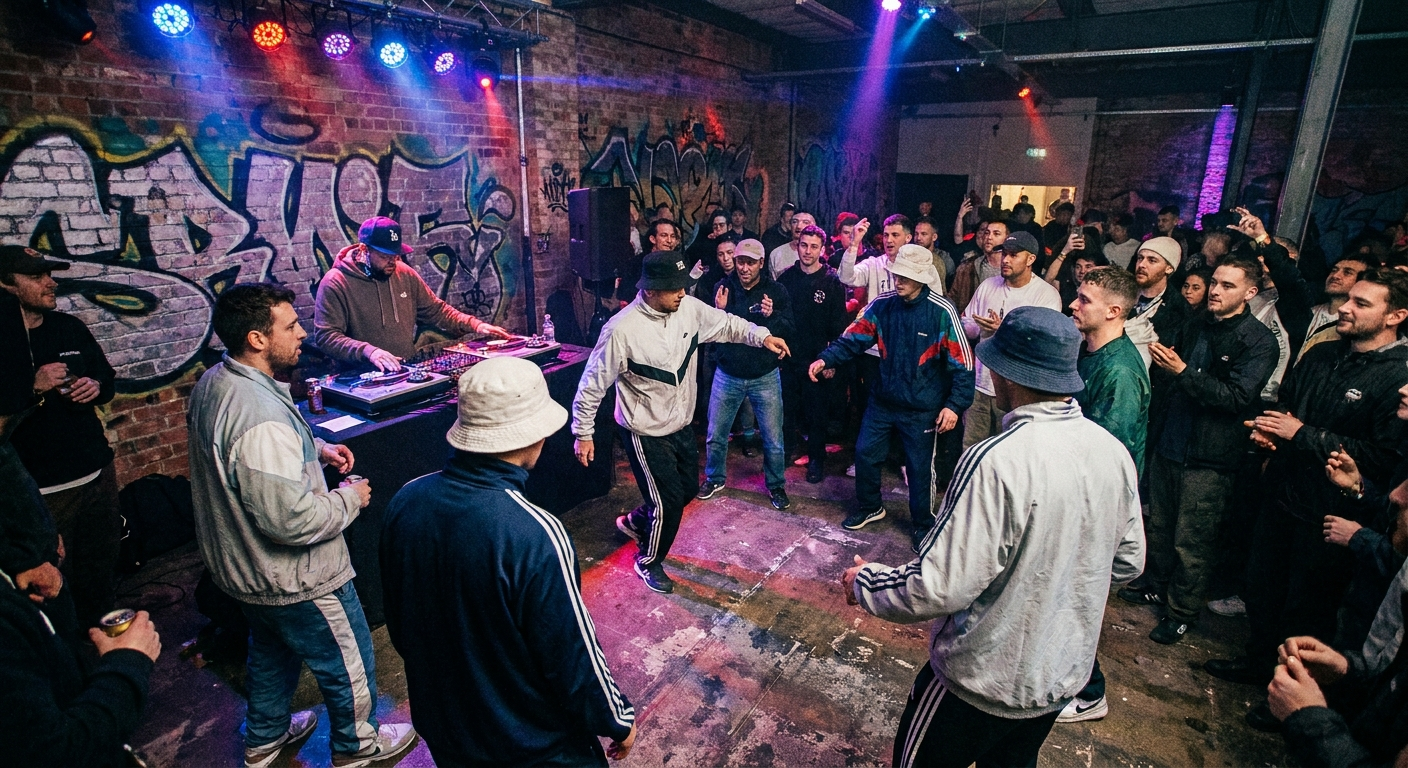
You love underground techno. Your fiancé loves classic rock. Your grandmother loves Frank Sinatra. Your college friends love 90s hip-hop. Who wins?
Nobody wins if you play only one genre. The most common wedding music mistake is building a playlist that reflects only the couple's taste. Your guests are a diverse group, and your music should reflect that.
Think about your guest list. You probably have three main groups:
- Older relatives (50+) — They want classics: Motown, oldies, Sinatra, Elvis, and easy listening
- Middle-aged friends and family (30-50) — They want 80s, 90s, and early 2000s hits: Madonna, Prince, Backstreet Boys, Destiny's Child
- Younger guests (under 30) — They want current pop, hip-hop, EDM, and TikTok viral songs: Dua Lipa, Drake, Beyoncé, Bad Bunny
Balance is key. Play for the majority, but sprinkle in nods to each group. A great rule of thumb: every third song should appeal to a different demographic.
The "One for Everyone" Approach
Here's a sample sequence that works wonders:
- "At Last" by Etta James — First dance classic, appeals to all ages
- "Uptown Funk" by Mark Ronson ft. Bruno Mars — Universal crowd-pleaser, gets everyone moving
- "Yeah!" by Usher ft. Lil Jon & Ludacris — Early 2000s nostalgia for millennials
- "I Wanna Dance with Somebody" by Whitney Houston — Timeless singalong for every generation
- "As It Was" by Harry Styles — Current pop hit for younger guests
⚠️ Heads Up: Don't assume every "classic" works. Some older songs have problematic lyrics or slow tempos that kill energy. Always preview every track before adding it to your playlist.
Mistake #3: Overusing Wedding Cliché Songs
You know the songs. "The Electric Slide." "The Cha-Cha Slide." "The Macarena." "Y.M.C.A." These are the songs that make your uncle smile and your cousin groan.
There's nothing wrong with cliché songs — if you use them strategically. The mistake is playing them at the wrong time or playing too many of them.
Here's the truth: these songs work because they're familiar. They trigger nostalgia and group participation. But when you play three or four in a row, the crowd gets bored. The novelty wears off.
When to Use Cliché Songs
Reserve these songs for specific moments:
- Early in the dance floor (first 30 minutes) — Use one to break the ice and get people moving
- Mid-dance floor lull — If energy dips, a cliché song can revive the crowd
- Near the end of the night — A final singalong or line dance sends guests home happy
Never play more than one cliché song per hour. Space them out. And always follow a cliché song with a modern hit or a classic love song to keep the energy fresh.
Cliché Songs That Actually Work (When Timed Right)
- "Don't Stop Believin'" by Journey — Perfect for a late-night singalong, not for the first dance
- "Shout" by The Isley Brothers — A great energy booster around the 90-minute mark
- "September" by Earth, Wind & Fire — A timeless party starter that works for all ages
- "Love Shack" by The B-52's — Quirky but effective if the crowd is already warmed up
Mistake #4: Failing to Manage Musical Energy
Think of your dance floor like a campfire. You need to build it slowly, feed it with the right fuel, and let it breathe. If you throw on a massive log too early, it smothers the flames. If you let it die down completely, you have to start over.
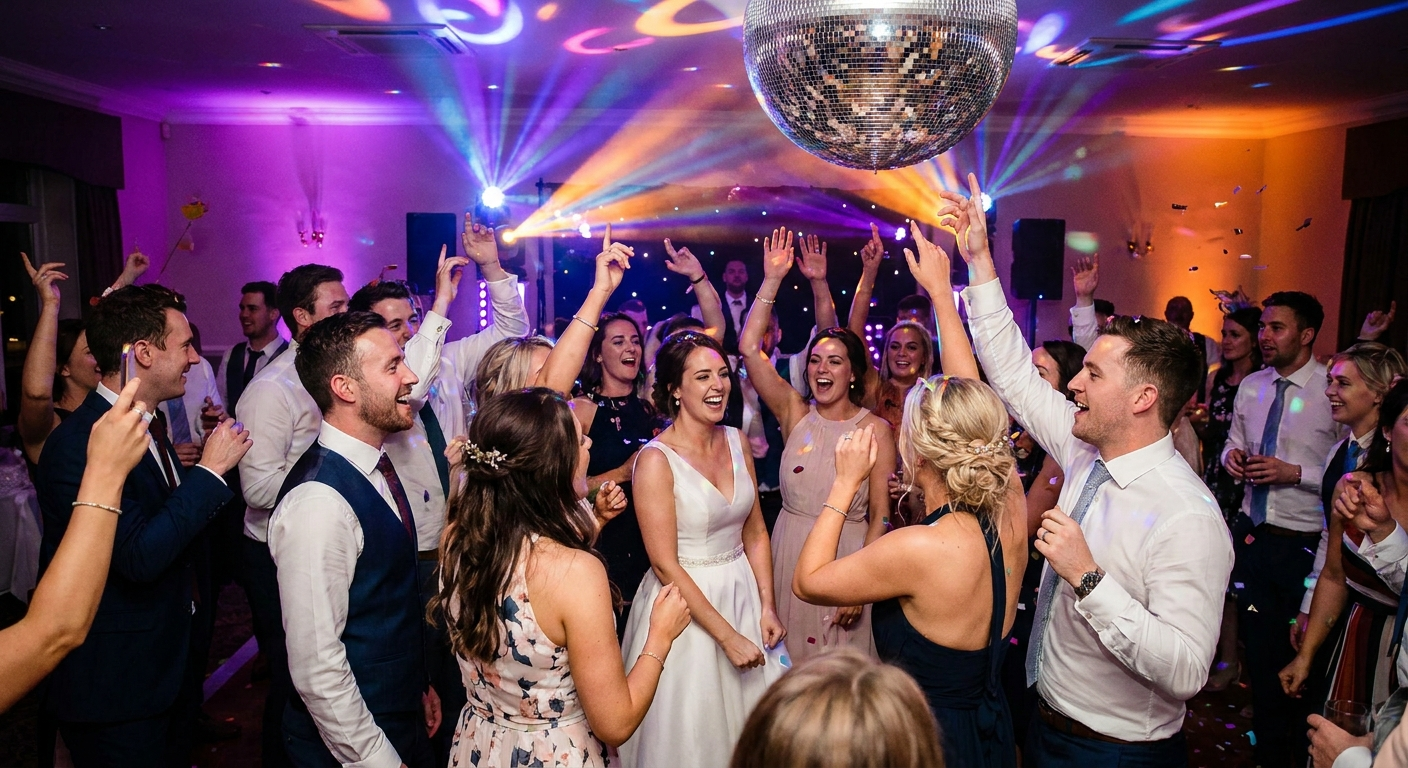
Musical energy is a curve, not a straight line. The biggest mistake is playing all the high-energy bangers in the first hour. By hour two, the dance floor is empty because you've exhausted your best material.
The Energy Curve Formula
Here's how to structure your dance floor music for maximum impact:
- Opening (first 20-30 minutes) — Start at 60-70% energy. Upbeat but not frantic. Think pop, dance-pop, and classics that everyone knows.
- Build (next 30 minutes) — Increase to 80% energy. Add some hip-hop, EDM, or rock anthems.
- Peak (around 60-90 minutes in) — Hit 90-100% energy. This is where you drop the biggest bangers.
- Recovery (15-20 minutes) — Drop to 40-50% energy. Slow songs, singalongs, or ballads. Let guests catch their breath.
- Repeat — Build back up to another peak. Each subsequent peak can be slightly lower than the last.
💡 Pro Tip: Use PartyMusicPlaylist's energy mapping templates to visualize your night. The tool lets you drag and drop songs into energy levels, so you never accidentally play a slow song after a high-energy banger.
Songs for Each Energy Level
Here are examples that work well at different energy points:
- Opening (60-70%): "Levitating" by Dua Lipa, "Blinding Lights" by The Weeknd, "Happy" by Pharrell Williams
- Build (80%): "Get Lucky" by Daft Punk, "Can't Stop the Feeling!" by Justin Timberlake, "Shape of You" by Ed Sheeran
- Peak (90-100%): "Turn Down for What" by DJ Snake & Lil Jon, "Titanium" by David Guetta ft. Sia, "Party Rock Anthem" by LMFAO
- Recovery (40-50%): "Just the Way You Are" by Bruno Mars, "Perfect" by Ed Sheeran, "Thinking Out Loud" by Ed Sheeran
Mistake #5: Forgetting About Transitions
You've got a perfect playlist. Every song is a hit. But when one song ends and the next begins, there's an awkward silence. Or worse, a jarring tempo change that confuses the dancers.
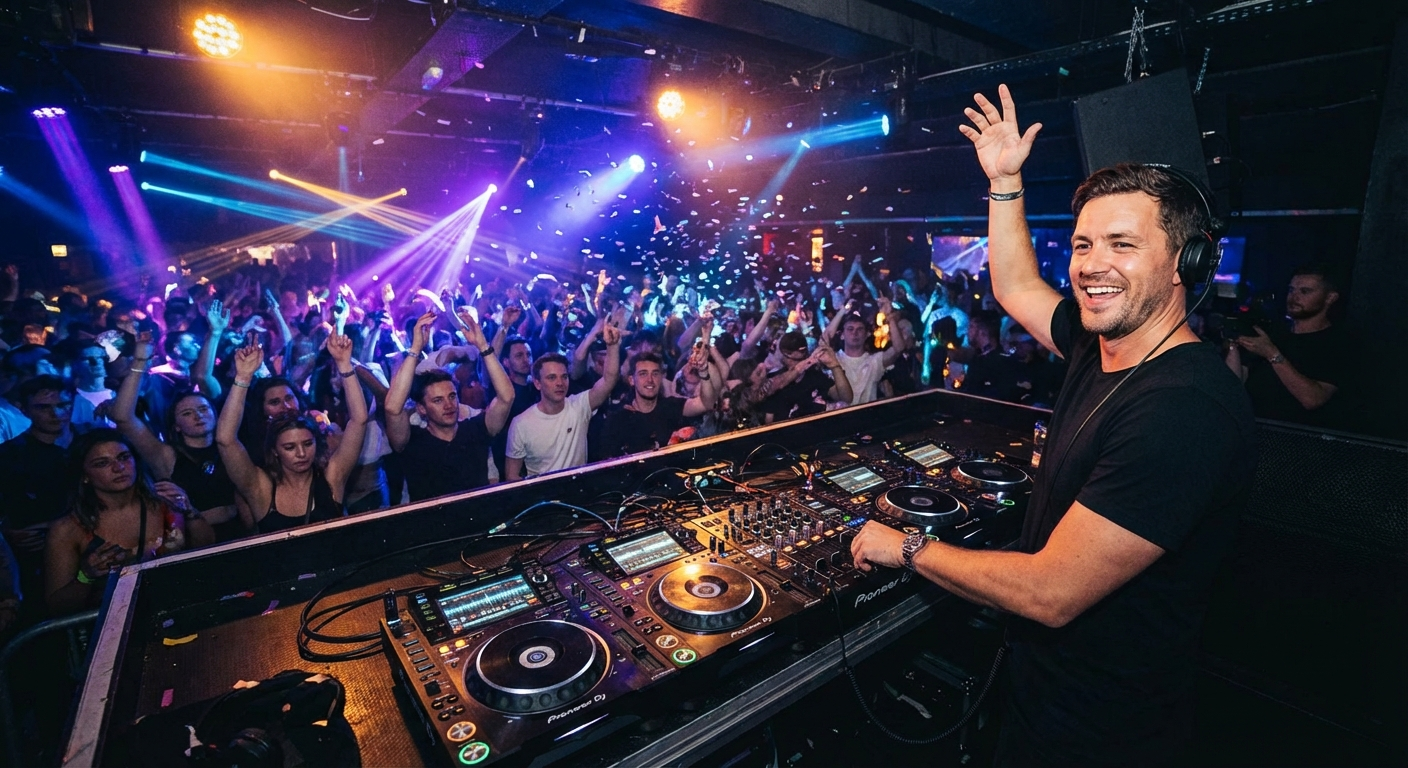
Transitions are the unsung heroes of a great playlist. A smooth transition keeps the energy flowing. A bad transition kills the vibe in seconds.
How to Fix Transitions
Here are three techniques that professional DJs use:
- Match tempo (BPM) — Songs with similar beats per minute flow naturally. Use a BPM analyzer tool to group songs by tempo.
- Use segues — Add short instrumental breaks, fade-outs, or sound effects between songs to bridge gaps.
- Plan "moments" — Some songs naturally lead into others. For example, "We Are Family" by Sister Sledge flows perfectly into "I Will Survive" by Gloria Gaynor.
📝 Note: If you're using a DJ, discuss transitions with them beforehand. If you're using a playlist, test it in sequence at home. Listen for awkward gaps, volume changes, or songs that feel out of place.
Featured: The Perfect Transition Sequence
Try this five-song sequence that flows naturally from one energy level to the next:
1. "Uptown Funk" (115 BPM) → 2. "Get Lucky" (116 BPM) → 3. "Levitating" (103 BPM) → 4. "Blinding Lights" (171 BPM) → 5. "Can't Stop the Feeling!" (113 BPM)
The trick? Songs 1, 2, and 5 are similar tempo. Song 3 drops slightly but maintains energy. Song 4 is a double-time feel that feels faster but works because of the driving beat.
Mistake #6: Not Involving Your Guests
Your guests are the life of the party. They're the ones who dance, sing, and create memories. But most couples treat music as a one-way broadcast — they play what they want and hope guests enjoy it.
The best wedding music is collaborative. When guests feel like their voice matters, they're more invested in the party. They'll dance harder, request more songs, and stay later.
How to Crowdsource Song Requests
Here's a simple process that works:
- Send a pre-wedding survey — Ask guests to submit their favorite songs when they RSVP. Use a free tool like PartyMusicPlaylist to collect requests.
- Create a "guest request" playlist — Pull the top 20-30 requested songs and weave them into your main playlist.
- Set boundaries — Let guests know you'll play requests, but you can't play every song. Focus on the most popular ones.
- Use live requests on the night — Some tools allow guests to submit requests in real-time via a QR code on the table.
⚠️ Heads Up: Don't let guest requests take over completely. You still need to maintain your energy curve and avoid playing five slow songs in a row because someone's aunt requested them all.
Mistake #7: Ignoring the First Dance and Last Song
The first dance sets the tone for the entire reception. The last song is what guests remember as they leave. Both are critical moments that couples often rush or overlook.
Your first dance should tell a story about your relationship. It doesn't have to be a perfect choreographed routine — it just needs to feel authentic. Choose a song that means something to both of you.
First Dance Song Ideas
- "At Last" by Etta James — Timeless, romantic, works for all ages
- "Perfect" by Ed Sheeran — Modern classic with heartfelt lyrics
- "Can't Help Falling in Love" by Elvis Presley — Old-school charm that never fades
- "All of Me" by John Legend — Emotional and deeply personal
- "Lover" by Taylor Swift — Sweet, upbeat, and romantic
Last Song Ideas
Your last song should leave guests with a feeling of joy and togetherness. Here are some crowd-pleasers:
- "Don't Stop Believin'" by Journey — Epic singalong that sends everyone home smiling
- "Piano Man" by Billy Joel — Nostalgic and communal, perfect for a slower wind-down
- "Closing Time" by Semisonic — A bit on the nose, but it works because everyone knows the words
- "We Are the Champions" by Queen — Triumphant and celebratory, great for a high-energy finish
Mistake #8: Not Testing Your Equipment
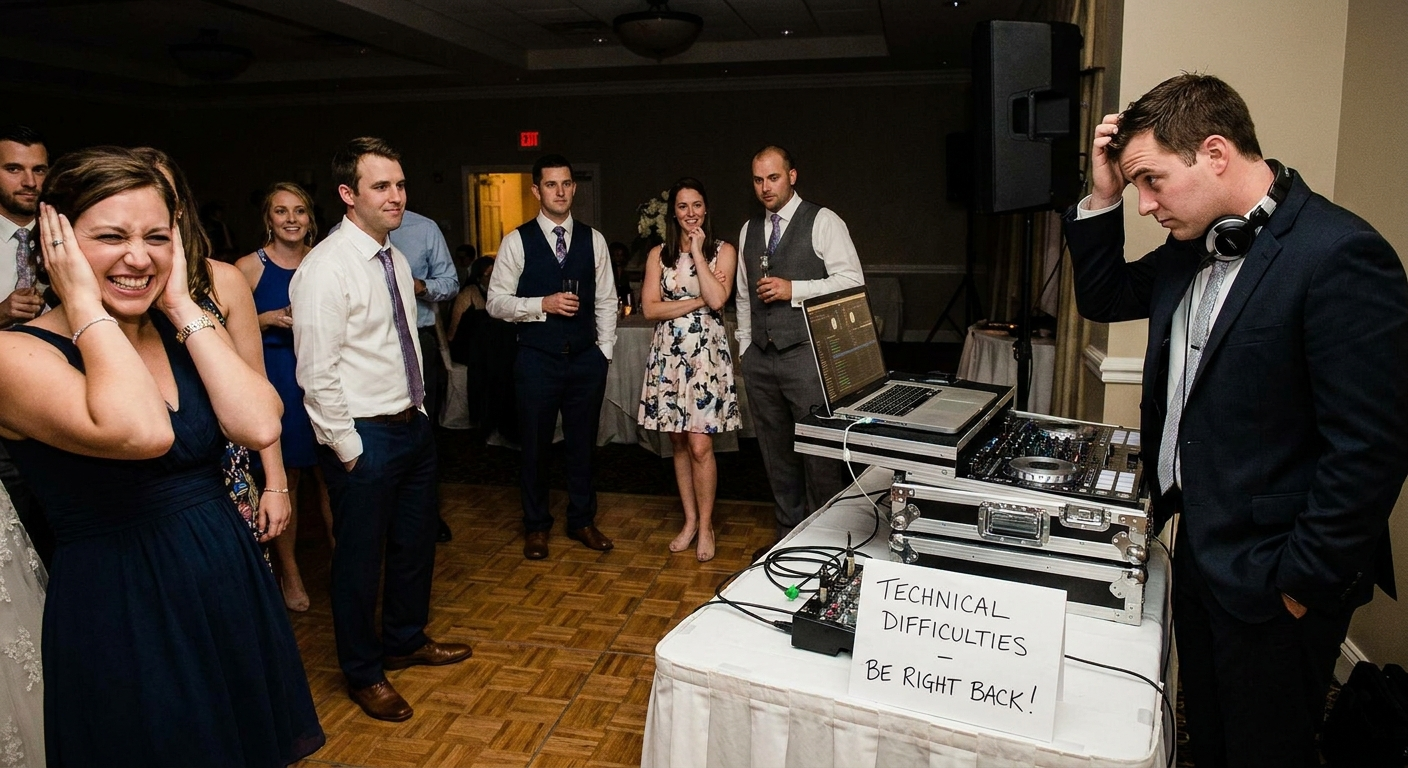
You've built the perfect playlist. Every song is in the right order. The energy curve is flawless. But on the big day, the speakers don't work. Or the volume is too low. Or the microphone feedbacks every time someone speaks.
Technical failures are the most preventable mistake of all. Yet couples overlook them because they assume the venue or DJ has it handled.
Your Equipment Checklist
- Test all speakers and microphones at least 24 hours before the event
- Bring backup cables, batteries, and an extra device (phone or tablet)
- Check volume levels in every corner of the room — not just near the DJ booth
- Ensure your playlist is saved offline (no internet at the venue?)
- Have a backup plan (a second playlist on a different device)
💡 Pro Tip: If you're using a playlist on a laptop or phone, put it in airplane mode during the reception. Notifications, calls, and texts can interrupt the music. You don't want your aunt's cat video playing over the first dance.
Mistake #9: Forgetting the "Pause" Moments
Not every moment needs music. In fact, some of the most memorable wedding moments happen in silence or with minimal background noise.
Over-music-ing your wedding is a real problem. When every second is filled with sound, the special moments lose their impact. The first kiss, the toasts, the cake cutting — these moments deserve a natural pause.
When to Let the Music Fade
- During toasts and speeches — Let guests hear every word. Background music during speeches is distracting.
- During the cake cutting — A short pause builds anticipation for the first dance.
- During the bouquet toss — A quick silence before the music kicks in makes the moment more exciting.
- During the exit — A final moment of quiet before the last song lets the emotion sink in.
Mistake #10: Not Having a Backup Plan
Things go wrong. The DJ gets sick. The playlist file corrupts. The venue's sound system breaks. Your phone runs out of battery.
The most prepared couples have a Plan B, C, and D. Here's how to protect yourself:
- Save your playlist in three places — On your phone, on a laptop, and on a USB drive
- Bring a portable speaker — A small Bluetooth speaker can save the night if the main system fails
- Have a printed song list — If everything electronic fails, you can sing a cappella (or at least lead the crowd in a singalong)
- Assign a music backup person — A friend or family member who knows your playlist and can take over if needed
📝 Note: PartyMusicPlaylist lets you export your playlist as a PDF, which you can print and share with your DJ or backup person. It's a simple step that could save your reception.
Expert Tips for a Flawless Wedding Playlist
You've learned the mistakes. Now here's the blueprint for getting it right.
The Three-Hour Recipe
For a standard 3-hour dance floor (after dinner and toasts), aim for this structure:
- Hour 1: 60-70% energy. Mix of pop, Motown, and 80s hits. Focus on getting the first 20-30 guests on the floor.
- Hour 2: 80-100% energy. Drop the biggest hits. Include a cliché song or line dance for group participation.
- Hour 3: 60-80% energy. Wind down gradually. End with a final singalong or slow dance.
One final piece of advice: Check out our other wedding planning resources for more tips on timing, song selection, and managing your event playlist. And remember — the best wedding music isn't about perfection. It's about creating moments that make your guests smile, dance, and remember your day for years to come.
Frequently Asked Questions
PartyMusicPlaylist Team
Helping you create the perfect soundtrack for life's most memorable moments. Expert tips on event music planning, DJ coordination, and playlist curation.
Learn MoreReady to Plan Your Event Music?
Create the perfect playlist for your special event. Search songs, organize your timeline, and share with your DJ.
Get Started FreeRelated Articles
Continue reading