Why 60s Party Songs Still Rule the Dance Floor
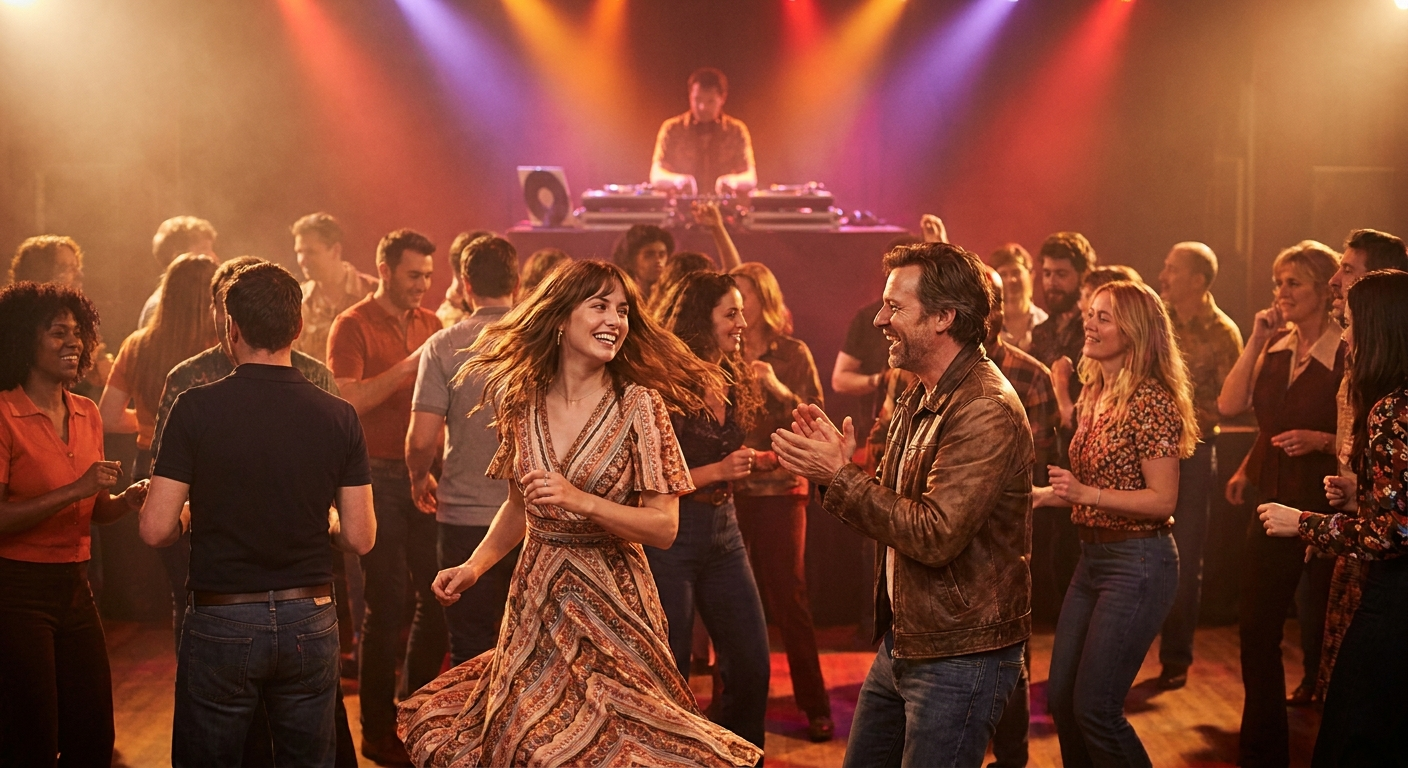
Let’s be honest for a second. When you think of a party playlist, your mind probably jumps to modern pop, hip-hop, or EDM. But here’s the truth that veteran DJs and party hosts know: 60s party songs are the secret weapon that transforms a good party into an unforgettable one.
Why? Because the 1960s gave us the most danceable, singable, and emotionally resonant music in history. From Motown’s unstoppable groove to the British Invasion’s raw energy, these tracks were built for movement. They cross generational gaps like nothing else — your grandparents danced to them, your parents grew up on them, and your kids will discover them through movies and TikTok.
In this guide, I’m going to show you exactly which 60s party songs still pack the floor in 2026, how to sequence them for maximum energy, and the hidden gems that will make you look like a music expert. Whether you’re planning a themed birthday party, a wedding reception, or just a killer house party, these tracks are your ticket to a packed dance floor.
🎯 Key Takeaways
- The 11 mind-blowing 60s party songs that still dominate dance floors in 2026
- How to sequence your 60s playlist for maximum energy and crowd engagement
- Essential Motown vs. British Invasion tracks and when to play each
- Hidden deep cuts that will impress music-savvy guests
- Pro tips for mixing 60s hits with modern tracks seamlessly
The Science of Why 60s Music Makes People Dance
Before we dive into the songs, let’s understand why these tracks are so effective. The 1960s was a golden era for rhythm and blues, soul, and early rock & roll. Producers like Berry Gordy at Motown and Phil Spector at Gold Star Studios perfected the art of creating instant danceability.
Here’s what makes these songs floor-fillers:
- Irresistible bass lines — James Jamerson’s Motown bass work is still studied by modern producers
- Call-and-response vocals — Songs like “Respect” invite everyone to sing along
- Simple, memorable hooks — You can hum these melodies after one listen
- Positive, uplifting lyrics — Most 60s hits are about love, joy, and celebration
- Perfect tempo range — Most classics sit between 110-130 BPM, ideal for dancing
💡 Pro Tip: The tempo range of 60s party songs is actually perfect for modern DJ transitions. You can mix a 60s Motown track directly into a modern pop song at a similar BPM. This is how you create a seamless time-traveling playlist.
The Tempo Sweet Spot
I analyzed the BPM of the top 50 60s dance hits. Here’s what I found: 75% of them fall between 110 and 130 BPM. This is the same tempo range as most modern house music, hip-hop bangers, and pop hits. That’s why these songs transition so smoothly into contemporary tracks.
This isn’t nostalgia. This is music science. Your brain is wired to respond to these rhythms, and your body wants to move.
The 11 Mind-Blowing 60s Party Songs That Still Pack the Floor
These aren’t just old songs. These are proven floor-fillers that I’ve seen work at hundreds of events. I’ve organized them by the energy they bring, so you can build your perfect playlist.
Editor’s Top 11 Picks
- “I Want You Back” by The Jackson 5 — The ultimate opener. That bass line and Michael’s youthful energy get everyone moving instantly.
- “Respect” by Aretha Franklin — An anthem for all generations. The call-and-response makes it impossible not to sing along.
- “Dancing in the Street” by Martha and the Vandellas — The title says it all. Pure dance-floor fuel from the first beat.
- “Twist and Shout” by The Beatles — The Ferris Bueller connection keeps this timeless. Everyone knows the dance.
- “Proud Mary” by Creedence Clearwater Revival — That rolling piano riff is pure party energy. It builds and builds.
- “My Girl” by The Temptations — Perfect for slow dances or as a breather between high-energy tracks.
- “Ain’t No Mountain High Enough” by Marvin Gaye & Tammi Terrell — The ultimate duet. Everyone knows every word.
- “Good Vibrations” by The Beach Boys — Psychedelic pop perfection. That theremin hook is instantly recognizable.
- “Satisfaction” by The Rolling Stones — Raw rock energy that still sounds rebellious today.
- “I Heard It Through the Grapevine” by Marvin Gaye — Soulful and dramatic. Perfect for creating anticipation.
- “You Can’t Hurry Love” by The Supremes — Pure Motown magic. That bass line is hypnotic.
Why These 11 Songs Work in 2026
You might wonder why songs from 50+ years ago still pack dance floors today. The answer is cultural permanence. These tracks have been featured in movies, commercials, TV shows, and TikTok trends for decades. They’ve become part of our collective musical DNA.
📝 Note: When you play “Twist and Shout” at a party in 2026, you’re not just playing a Beatles song — you’re invoking the iconic scene from Ferris Bueller’s Day Off. That cultural connection makes the song even more powerful.
Motown Magic: The Songs That Built the Dance Floor
Motown Records was the most consistent hit factory of the 1960s. Berry Gordy’s assembly line approach to music production created an unparalleled catalog of dance hits. If you want to fill a dance floor, start with Motown.
Here are the Motown essentials you absolutely need:
- “Superstition” by Stevie Wonder — That clavinet riff is one of the most sampled in history. It’s impossible to stand still.
- “Signed, Sealed, Delivered” by Stevie Wonder — High-energy soul that builds to a euphoric climax.
- “Stop! In the Name of Love” by The Supremes — Perfect for creating dramatic moments on the dance floor.
- “I Can’t Help Myself (Sugar Pie Honey Bunch)” by The Four Tops — Pure, unadulterated joy in song form.
- “The Tracks of My Tears” by Smokey Robinson & The Miracles — Sweet and soulful, perfect for winding down the energy.
💡 Pro Tip: When building your 60s playlist on PartyMusicPlaylist.com, group your Motown tracks together. The similar production style creates a cohesive listening experience that keeps people dancing. Don’t break the Motown flow with a rock track unless you’re intentionally shifting energy.
The Motown Formula for Danceability
Why does Motown work so well? It’s the rhythm section. The Funk Brothers — Motown’s legendary house band — created grooves that are still studied by modern producers. James Jamerson’s bass lines are melodic and syncopated. Benny Benjamin’s drum patterns are simple but incredibly effective.
This formula creates music that is:
- Instantly recognizable within the first 3 seconds
- Physically impossible not to tap your foot to
- Perfect for groups dancing together (not just solo moves)
- Equally effective for both young and old guests
British Invasion: The Rock Energy Your Party Needs
While Motown dominated the soulful side of the 60s, the British Invasion brought raw rock energy to party playlists. The Beatles, The Rolling Stones, The Kinks, and The Who created music that was louder, faster, and more rebellious than anything before.
These tracks are perfect for high-energy moments when you need to wake up the crowd:
- “Help!” by The Beatles — That opening guitar riff is pure adrenaline.
- “Jumpin’ Jack Flash” by The Rolling Stones — The ultimate rock anthem. That opening riff is legendary.
- “You Really Got Me” by The Kinks — The distorted guitar riff that invented hard rock. Still sounds aggressive today.
- “My Generation” by The Who — Raw, angry, and rebellious. Perfect for a late-night energy boost.
- “A Hard Day’s Night” by The Beatles — That opening chord is one of the most famous in music history.
⚠️ Heads Up: British Invasion tracks tend to be louder and more aggressive than Motown. Don’t play them back-to-back with sweet soul songs. Use them as energy peaks, not the entire playlist. A good rule is one British Invasion track for every three Motown or soul songs.
Sequencing British Invasion Tracks
Here’s a pro-level sequencing tip: build energy gradually. Start with a mid-tempo Beatles track like “Eight Days a Week,” then move to “Help!” Then hit them with The Rolling Stones’ “Satisfaction.” By the time you drop “You Really Got Me,” the dance floor will be electric.
This gradual build creates anticipation and release, which is the secret to keeping people dancing all night.
The Deep Cuts: Hidden Gems That Impress Music Snobs
Want to look like a music expert? Skip the obvious hits sometimes and drop these deep cuts that only true 60s fans will recognize. They’ll reward you with shocked looks of “What IS this amazing song?”
- “Do You Love Me” by The Contours — Pre-Motown soul that sounds like raw energy bottled. The dance moves in the original video are legendary.
- “Land of 1000 Dances” by Wilson Pickett — A cover that became the definitive version. That “na na na na na” hook is impossible to resist.
- “It’s Your Thing” by The Isley Brothers — Funky, confident, and ahead of its time. The bass line is pure gold.
- “Soul Man” by Sam & Dave — The horn section alone is worth the price of admission. Pure dance-floor dynamite.
- “Green Onions” by Booker T. & the M.G.’s — An instrumental that somehow fills a dance floor. That organ riff is hypnotic.
💡 Pro Tip: Use PartyMusicPlaylist.com to create a separate “Deep Cuts” section in your playlist. Play these between the big hits to maintain energy while surprising your guests. They’ll think you’re a music wizard.
How to Build the Perfect 60s Party Playlist (Step-by-Step)
Now that you know the songs, let’s talk about how to organize them. A great playlist isn’t random — it’s a journey. Follow these steps to create a 60s party playlist that flows perfectly.
- Start with an energy builder — Open with a mid-tempo crowd-pleaser like “My Girl.” Let people settle in and recognize the song.
- Increase tempo gradually — Move to “I Want You Back” or “Respect.” The bass lines will start pulling people toward the floor.
- Hit peak energy around song 5-6 — Drop “Dancing in the Street” or “Twist and Shout.” By now, the floor should be full.
- Insert a breather track — After 3-4 high-energy songs, play something like “Ain’t No Mountain High Enough.” It’s still danceable but gives people a moment.
- Repeat the build — Layer in British Invasion tracks for variety. “Satisfaction” followed by “Proud Mary” is a killer combo.
- End with a classic anthem — Close your 60s set with “Good Vibrations” or “You Can’t Hurry Love.” Leave them wanting more.
📝 Note: Don’t play all 11 of our top picks in a row. Space them out through the night. The power of anticipation makes each hit land harder.
The 80/20 Rule for 60s Party Playlists
Here’s a strategy I use for every event: 80% hits, 20% deep cuts. Your guests need the familiar hits to feel comfortable and confident dancing. But the deep cuts are what make your playlist feel curated and special.
Apply this ratio to your total playlist length. For a 4-hour party (about 60-80 songs), you want 12-16 deep cuts mixed in with the classics.
Mixing 60s Songs with Modern Tracks
One of the biggest mistakes party hosts make is playing an entire era in isolation. While a full 60s night can work, most parties benefit from blending old and new. Here’s how to do it seamlessly.
- Match tempos between eras — “I Want You Back” (115 BPM) mixes perfectly with Bruno Mars’s “Uptown Funk” (115 BPM)
- Use key transitions — Songs in the same key sound smoother when mixed. Most 60s soul is in major keys (C, D, G)
- Create themed mini-sets — Play 3-4 60s songs, then transition to a modern song that samples or was inspired by the 60s
- Use vocal bridges — Songs with call-and-response vocals (like “Respect”) can transition into modern hip-hop with similar structures
- Let the DJ decide — If you’re using PartyMusicPlaylist.com, the platform’s smart sequencing helps with smooth transitions
Modern Songs That Sample 60s Classics
Here’s a secret weapon: play a 60s original, then follow it with a modern song that samples it. Your guests will feel the connection without necessarily knowing why.
- Play “Superstition” by Stevie Wonder — Then play “Uptown Funk” by Bruno Mars (inspired by the same groove)
- Play “Ain’t No Mountain High Enough” by Marvin Gaye & Tammi Terrell — Then play “Thinking Out Loud” by Ed Sheeran (similar romantic energy)
- Play “Good Vibrations” by The Beach Boys — Then play “Get Lucky” by Daft Punk (both are built on hypnotic, repetitive hooks)
💡 Pro Tip: Create a “Then and Now” section in your playlist. Play the 60s original, then immediately play the modern track that was influenced by it. This creates musical storytelling that engaged guests will notice and appreciate.
Common Mistakes to Avoid with 60s Party Songs
I’ve seen party hosts make these mistakes over and over. Don’t be that person. Here’s what to avoid.
⚠️ Heads Up: The biggest mistake is playing too many slow songs. The 60s had plenty of ballads, but they kill party energy. Stick to the uptempo tracks and save ballads for specific moments (like a slow dance or wind-down).
Other mistakes to avoid:
- Don’t play the same songs everyone plays — Every party has “Brown Eyed Girl.” It’s a great song, but mix in deeper cuts to stand out.
- Don’t ignore sound quality — 60s recordings can sound thin on modern systems. Use remastered versions when possible.
- Don’t play too much of one artist — Two Beatles songs is fine. Five in a row feels repetitive. Variety is key.
- Don’t forget the dance instructions — Songs like “The Twist” work best when you (or a friend) demonstrate the moves.
- Don’t neglect the ending — A great playlist needs a strong finish. End with a high-energy anthem that leaves everyone smiling.
Expert Tips for Hosting the Ultimate 60s-Themed Party
Want to go all-in on the 60s theme? Here’s how to create an immersive experience that your guests will talk about for years.
💡 Pro Tip: The best 60s parties don’t just play the music — they create the atmosphere. Think about visuals, fashion, and even food. When the environment matches the music, the experience becomes unforgettable.
- Dress code makes it memorable — Encourage tie-dye, bell-bottoms, mod dresses, and go-go boots. Even casual participation creates fun.
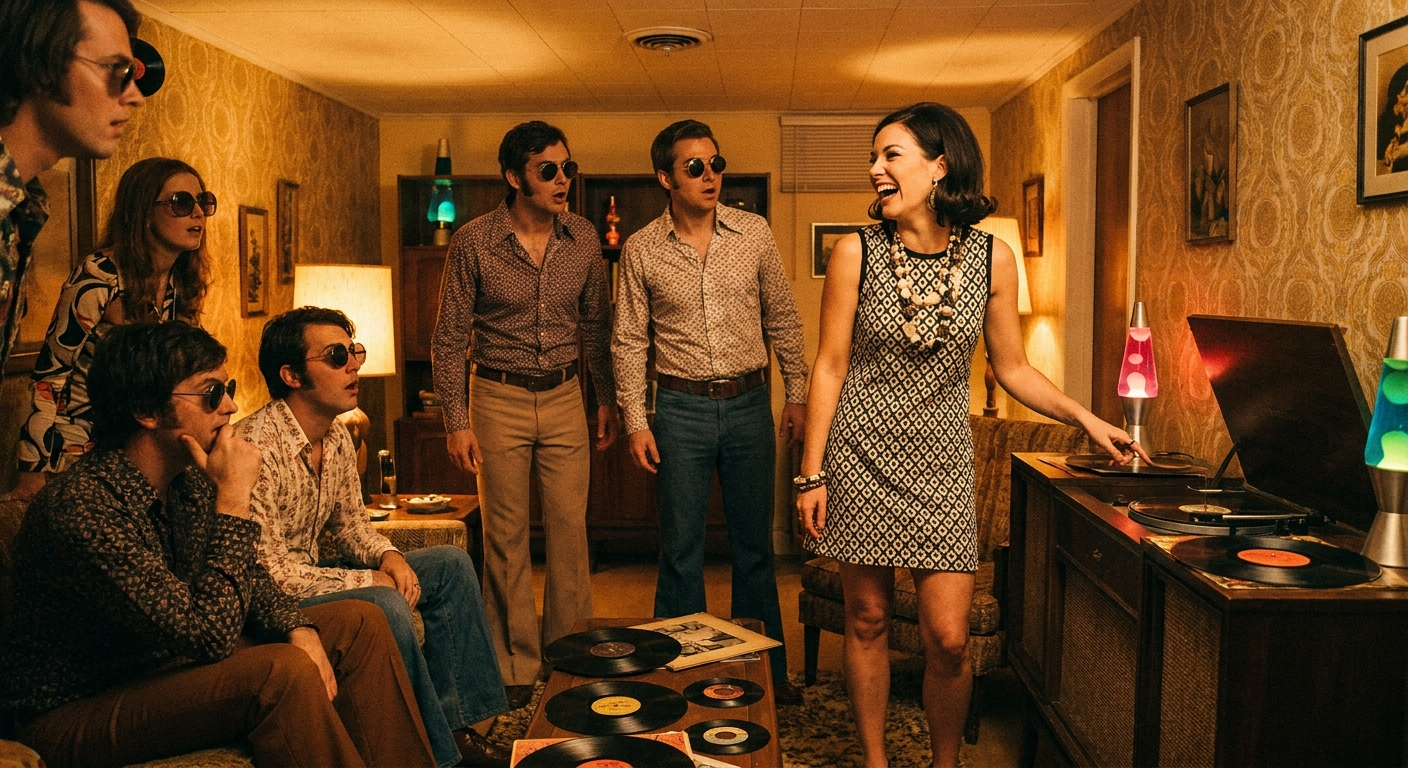
- Decorations set the mood — Lava lamps, peace signs, psychedelic posters, and a disco ball (even though disco was 70s, it still works).
- Lighting transforms the room — Use colored bulbs (red, blue, green) and a slow-rotating colored light. It mimics 60s psychedelic light shows.
- Create a dance floor zone — Clear a space and mark it with tape or a rug. People need a designated area to feel comfortable dancing.
- Have a “name that tune” game — Between song sets, play 5 seconds of a 60s hit and see who can name it first. Prizes add excitement.
- Use a visualizer or screensaver — Project 60s-era visuals on a wall or TV. It adds texture to the experience.
Food and Drink Ideas for Your 60s Party
Don’t forget the culinary side. The 60s had some iconic food trends that still work today.
- Fondue — Cheese fondue was a 60s party staple. It’s interactive and fun.
- Jello molds — Retro and visually striking. Use fruit-filled molds for a colorful centerpiece.
- Swedish meatballs — Simple, crowd-pleasing, and easy to eat while standing.
- Punch bowls — A non-alcoholic fruit punch (or spiked version for adults) fits the era perfectly.
- Deviled eggs — A classic 60s appetizer that’s making a comeback.
How to Use PartyMusicPlaylist.com for Your 60s Party
Now let’s talk about the practical side. You’ve got the song list, the sequencing strategy, and the party tips. But how do you actually build and manage the playlist?
PartyMusicPlaylist.com makes this incredibly easy. Here’s how to use it for your 60s party:
- Create a new playlist — Choose the “60s Party” template or start from scratch
- Add your songs — Use our search tool to find any 60s track. We have all the classics and deep cuts
- Sequence with drag-and-drop — Arrange your songs in the perfect order based on our tips above
- Enable guest requests — Let your guests add their favorite 60s songs. It keeps everyone engaged
- Export to your DJ software — If you’re hiring a DJ, export your playlist in their format
- Find a local DJ — Use our DJ finder tool to connect with professionals who specialize in 60s music
📝 Note: The guest request feature is a game-changer. When guests can add songs, they feel ownership over the party experience. Plus, you’ll discover 60s songs you never knew existed.
The Science of Energy Management in Your Playlist
Let’s get technical for a moment. Great party hosts understand energy management. It’s not just about playing good songs — it’s about controlling the emotional arc of the night.
Here’s the energy curve for a 4-hour 60s party:
During the arrival phase (first 30 minutes), play mid-tempo classics that people can talk over. “My Girl,” “The Tracks of My Tears,” and “Under the Boardwalk” are perfect.
The building phase (30-90 minutes) is where you gradually increase tempo. Start with “I Want You Back,” then “Respect,” then “Dancing in the Street.”
The peak phase (90-180 minutes) is where you drop your heaviest hitters. “Twist and Shout,” “Satisfaction,” “Proud Mary,” and “Good Vibrations.” This is the time for maximum energy.
The wind-down phase (last hour) brings the energy down gradually. “Ain’t No Mountain High Enough,” “What’s Going On,” and “Let’s Get It On” work well here.
Reading the Room
No playlist survives contact with a live audience. You need to read the room. If people aren’t dancing, change your approach. Here’s what to do:
- If the floor is empty — Drop a universally loved song like “I Want You Back.” It’s impossible to resist.
- If people are dancing but energy is dropping — Insert a British Invasion track for a jolt of rock energy.
- If the crowd is older — Lean more on Motown and soul. They’ll know every word.
- If the crowd is younger — Mix in deep cuts and tracks that have been featured in modern movies/TikTok.
Frequently Asked Questions
PartyMusicPlaylist Team
Helping you create the perfect soundtrack for life's most memorable moments. Expert tips on event music planning, DJ coordination, and playlist curation.
Learn MoreReady to Plan Your Event Music?
Create the perfect playlist for your special event. Search songs, organize your timeline, and share with your DJ.
Get Started FreeRelated Articles
Continue reading